


5 Signs You're Using Sunscreen Wrong (and How to Fix It)
As people who pay close attention to skincare — and as a team that talks about it a lot — we apply sunscreen every single day. No excuse, no "but it's cloudy today." Most of the routine we feel confident about. Sunscreen is where we've made the most mistakes.
That's worth being honest about, because most people don't apply sunscreen wrong out of carelessness. They do it because the right way isn't intuitive, and most of what gets shared about SPF online is either incomplete or contradictory. You can be diligent about putting it on and still be getting a fraction of the protection you think you're getting.
The biggest mistake, of course, is not wearing it at all. The case for daily SPF is well-established: UV exposure is cumulative across your lifetime, daily incidental exposure (the walk to the shop, the commute, the half-hour by a window) adds up faster than most people realise, and the damage shows up later — as photoaging, as hyperpigmentation, as elevated risk of the most common cancers in the world. According to the American Academy of Dermatology, broad-spectrum daily sunscreen use is one of the most effective tools we have for both skin cancer prevention and slowing photoaging. A landmark Australian study found that daily sunscreen use reduced melanoma incidence by 50% compared to discretionary use.
So daily application is the foundation. The next layer — the one a lot of people miss — is using it correctly. Here are the five most common sunscreen mistakes we see (and have made ourselves), with the fixes.

1. You're Applying Too Little
This is the most consequential SPF mistake, and almost everyone makes it.
The SPF rating on the bottle — 30, 50, whatever it says — is based on a specific amount of product applied per area of skin: roughly two finger-lengths for the face and neck, or about a quarter-teaspoon for the face alone. Most people apply about a third of that, which means SPF 50 applied at one-third dose is delivering closer to SPF 15 of actual protection.
The reason people under-apply is texture. A sunscreen that feels heavy, leaves a white cast, or sits greasy at full dose is a sunscreen you'll instinctively use less of. So the fix is two-fold: apply more, and choose a sunscreen whose texture you genuinely tolerate at full dose.
The Centella Calming Daily Sun Water is built around exactly this problem. The ultra-low-viscosity water formula applies at the full two-finger-length dose without weight, white cast, or greasy finish — which is the difference between getting the SPF on the label and getting a third of it.
The fix: Two finger-lengths every morning. If your sunscreen doesn't feel wearable at that amount, the product is wrong for you — not your skin.
2. You're Not Reapplying
Morning application is the habit most people manage. Reapplication is the one nearly everyone skips.
Sunscreen breaks down through the day — from sweat, from rubbing, from the film simply degrading under sun exposure. By the time you've been outside for two hours, the protection has dropped significantly. By mid-afternoon, you're effectively unprotected.
The standard advice is to reapply every two hours of active sun exposure. The realistic version: if you're outside for more than an hour during peak UV, reapply. If you're indoors most of the day, morning application is usually enough.
The reason reapplication doesn't happen is the awkwardness of applying liquid sunscreen over makeup. A sunscreen stick is the easiest format, and a fine mist works as well. A lightweight water-texture SPF like the Sun Water can also be pressed (not rubbed) into makeup in small amounts without disturbing the finish.
The fix: Keep a reapplication product where you'll see it — bag, desk, car. The morning application isn't the whole job; it's the start.
3. You're Applying Right Before You Walk Out the Door
This is the timing mistake most people don't know they're making.
Most modern sunscreens — including hybrid formulas with organic UV filters — need 15 to 20 minutes to fully bind to the skin and reach their stated SPF protection. Apply at the door and step into the sun, and the sunscreen is still settling in while you're already accumulating UV exposure.
The bigger issue is that sunscreen applied last-minute usually gets applied in a rush — uneven, under-dosed, missing the hairline and the ears and the back of the neck. The protection you think you're putting on isn't what's actually on your skin.
The fix: Apply sunscreen as the last step of your morning skincare routine, not as you're leaving the house. By the time you've finished getting dressed and made breakfast, it's settled, bound to your skin, and ready to do its job. This single change — moving SPF from "last thing before the door" to "last skincare step" — fixes more daily-wear problems than any product change.
4. You're Relying on a Day Cream or Foundation with SPF
This is the most genuinely surprising mistake on the list, and the one we have to remind ourselves about, too.
A lot of day creams and foundations list SPF on the label — usually SPF 15, occasionally up to SPF 30. The implication is that you're getting daily protection without needing a dedicated sunscreen step. The reality is two problems stacked.
First, the SPF is usually lower than recommended. Both the American Academy of Dermatology and the American Cancer Society recommend a minimum broad-spectrum SPF of 30 for daily use. SPF 15 in a moisturiser is a baseline of partial protection — meaningful, but not adequate as your only line of defence.
Second, and more importantly: you almost certainly aren't applying enough to get the labelled SPF. The SPF rating on a moisturiser or foundation is based on the same two-finger-length dose as a dedicated sunscreen. Nobody applies that much moisturiser, and definitely nobody applies that much foundation. In practice, a moisturiser-with-SPF-15 delivers more like SPF 3 to 7 of real protection.
The correct order, if you wear makeup: Skincare (cleanser, toner, essence, serum, moisturiser). Dedicated sunscreen at full dose. Makeup
The day cream or tinted foundation with SPF adds a small bonus on top of your dedicated sunscreen — it doesn't replace it. The two IUNIK creams that work cleanly under SPF without competing with it are the lightweight Centella Calming Gel Cream for combination or oily skin, and the Beta Glucan Daily Moisture Cream for drier skin types. Both layer under sunscreen without pilling or grease, leaving your SPF step to do the actual UV protection work.
The fix: Treat moisturiser-SPF and foundation-SPF as backup, not the main act. Always apply a dedicated broad-spectrum SPF of at least 30 underneath.


Centella Calming Daily Sun Water
Sun-calming water shield.
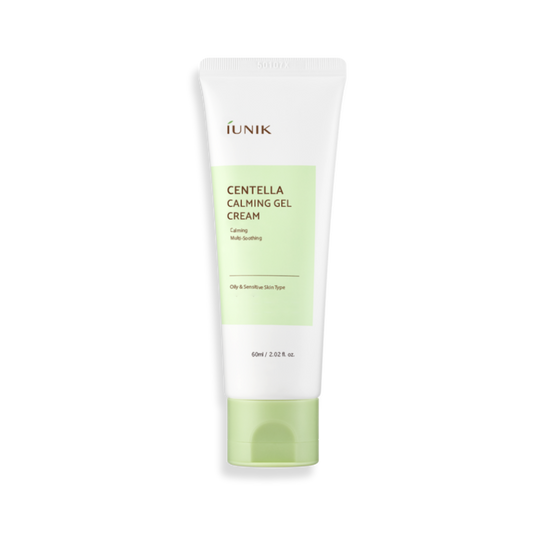
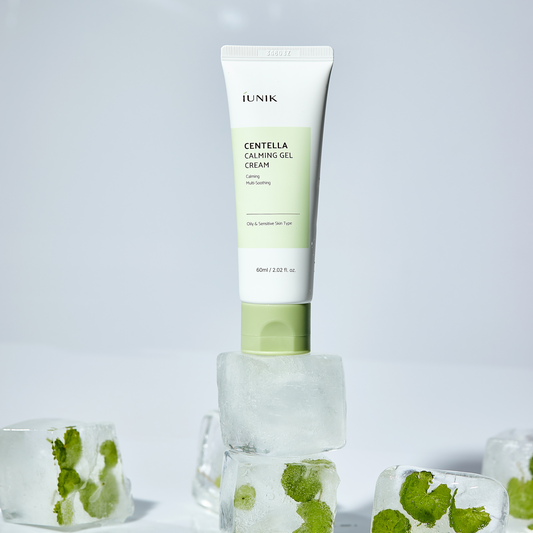
Centella Calming Gel Cream
Soothing gel hydration cream
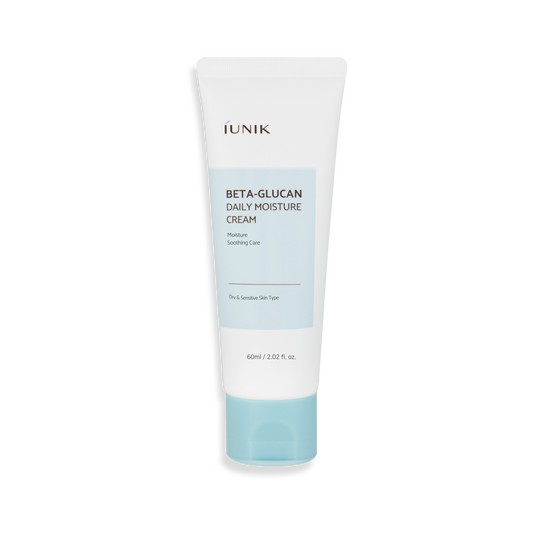

Beta Glucan Daily Moisture Cream
Lightweight daily hydration cream
5. You're Not Washing It Off Properly at the End of the Day
This is the mistake that doesn't show up immediately but quietly causes problems over weeks. Sunscreen — particularly the water-resistant, long-wear formulas designed to stay put through sweat and friction — doesn't come off with a single splash of water or a casual cleanse.
What's left on the skin after an inadequate evening cleanse: sunscreen residue, sebum, the dust and pollution that's stuck to the SPF film all day, and any makeup applied on top. The cumulative effect across a week is congestion, dullness, sensitivity, and the sense that your evening skincare isn't working as well as it used to. The actives aren't penetrating because there's a layer of unremoved film between them and your skin.
The fix is the double cleanse. An oil-based or balm cleanser first, to break down the sunscreen, makeup, and sebum — followed by a gentle water-based cleanser to clear what's left.
The Centella Green Fresh Cleansing Oil is built for this: a plant-powered first cleanse that removes SPF and surface buildup without disrupting the barrier or leaving a residue. Follow with the Centella Mild Cleansing Foam — a pH-balanced, non-stripping second cleanse that clears what the oil broke down.
For routines that don't have a dedicated double cleanse already, the Centella Double Cleansing Duo pairs both products together — the simplest way to add the step that makes everything else in your evening routine actually work.
The fix: Double cleanse every evening you've worn SPF. Which is every evening.
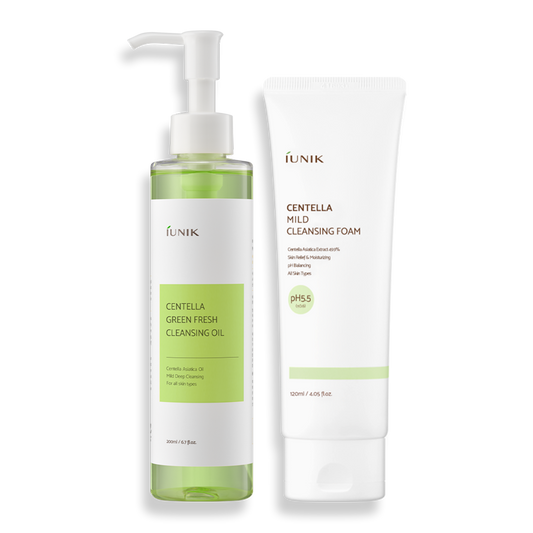
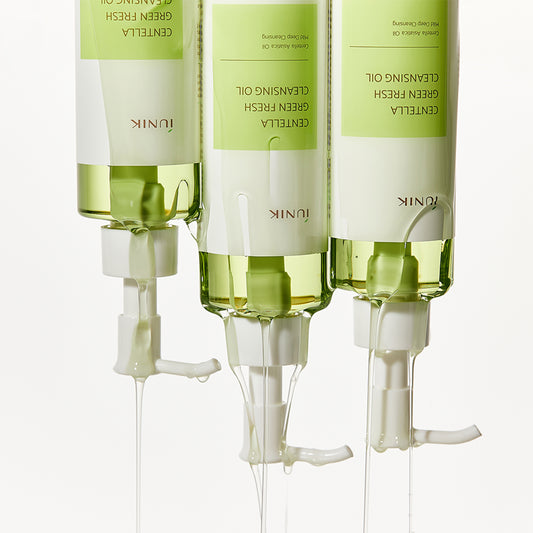
Centella Double Cleansing Duo
Soothing pore cleanse
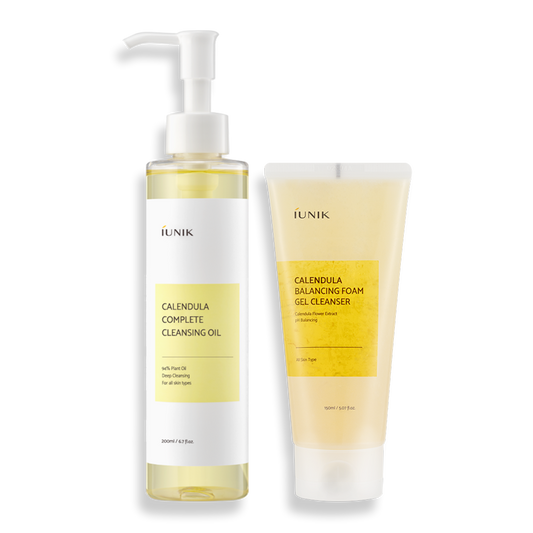
Calendula Double Cleansing Duo
Gentle deep cleansing
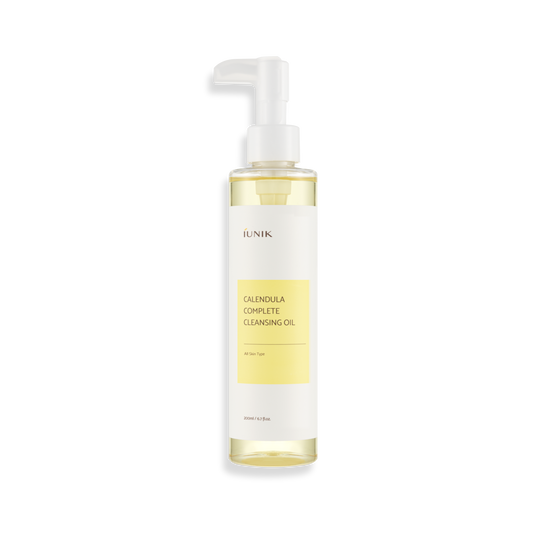
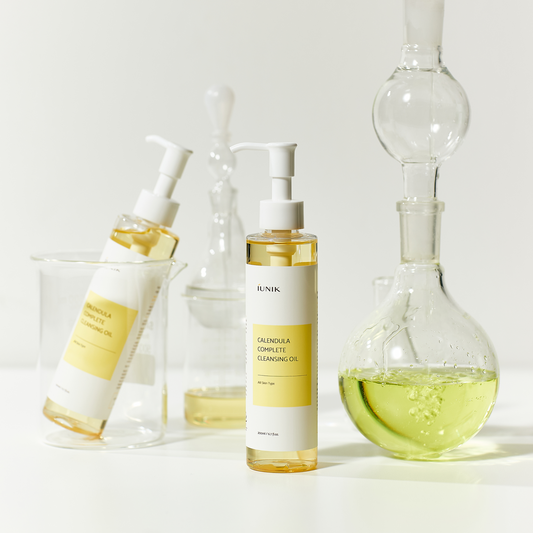
Calendula Complete Cleansing Oil
Sensitive skin cleansing oil
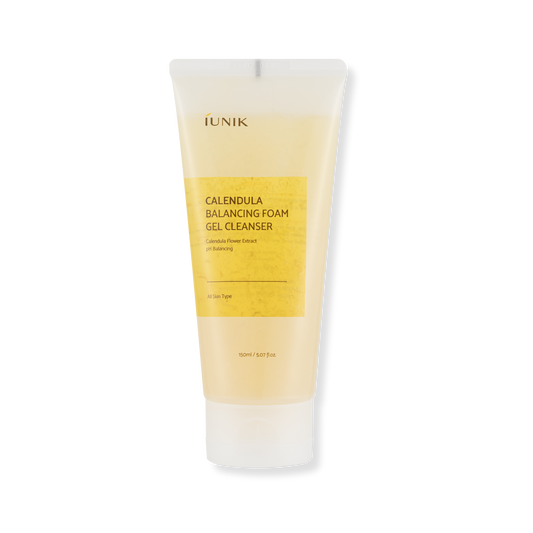
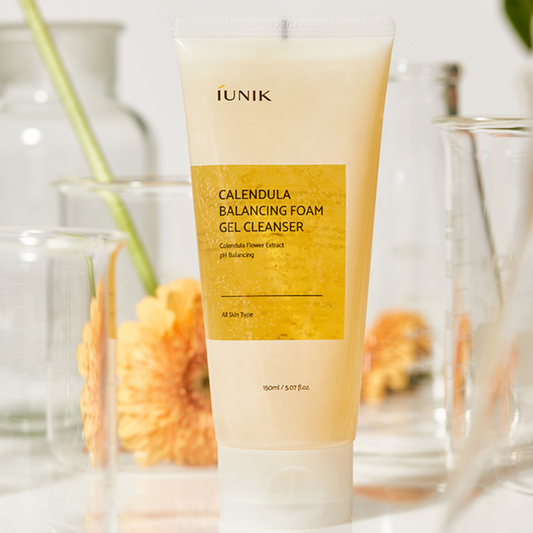
Calendula Balancing Foam Gel Cleanser
Balancing daily cleanse gel
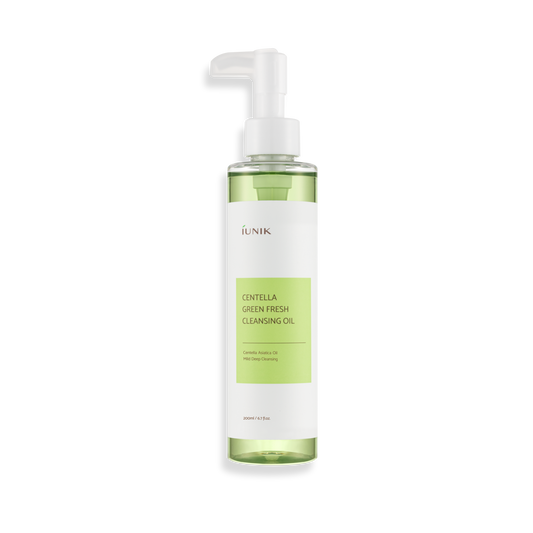
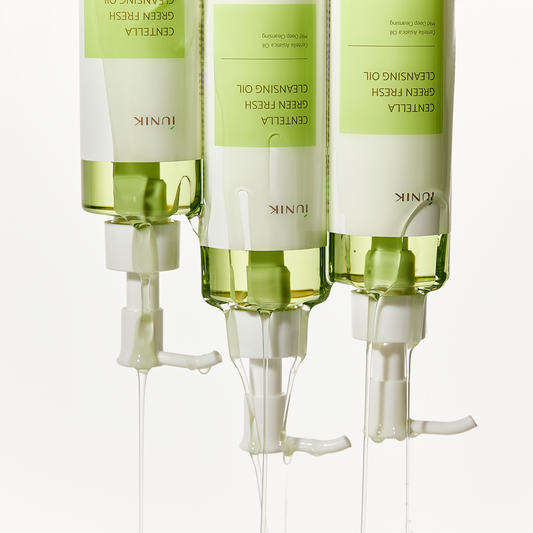
Centella Green Fresh Cleansing Oil
Fresh, plant-powered cleansing oil
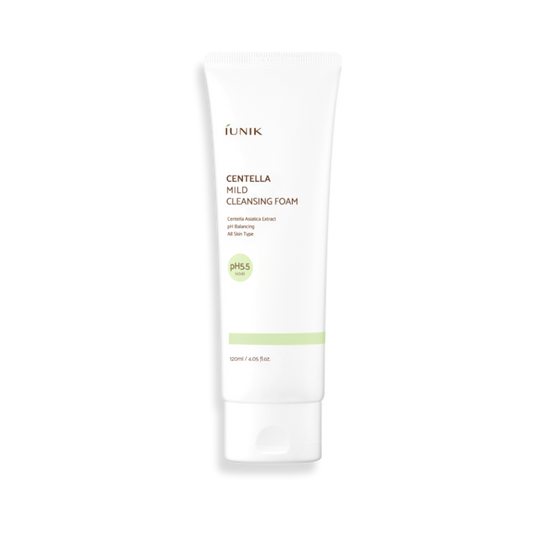
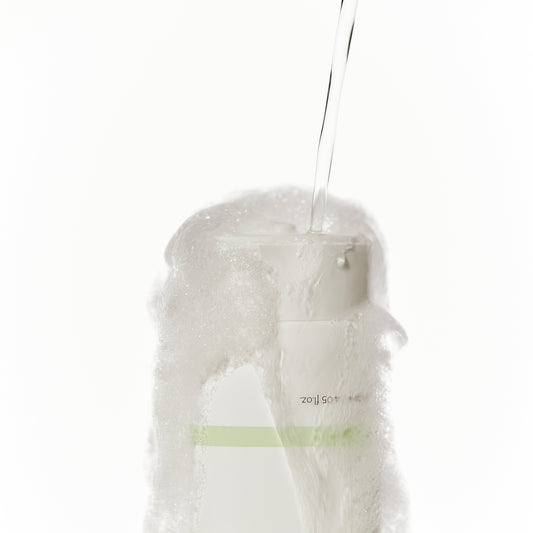
Centella Mild Cleansing Foam
Gentle pore care cleansing foam
The Short Version
Daily SPF is foundational. How you apply it is what determines whether you're getting the protection on the label or a fraction of it. Five fixes that move the needle most:
Apply two finger-lengths every morning, full stop
Reapply if you're outside more than an hour at peak UV
Apply as your last skincare step, not at the door
Wear a dedicated SPF 30+ underneath any tinted product
Double cleanse every evening you've worn it
The three IUNIK sunscreens — the Centella Calming Daily Sun Water, the Centella Calming Daily Sunscreen, and the Beta Glucan Barrier Sunscreen — are formulated to be wearable at full dose, which is what makes the rest of the rules above realistic to follow.
We all make sunscreen mistakes. The point isn't to be flawless about it; it's to know which ones matter most and to fix the ones that are quietly costing you the protection you think you have.
Centella Calming Daily Sun Water
Sun-calming water shield.
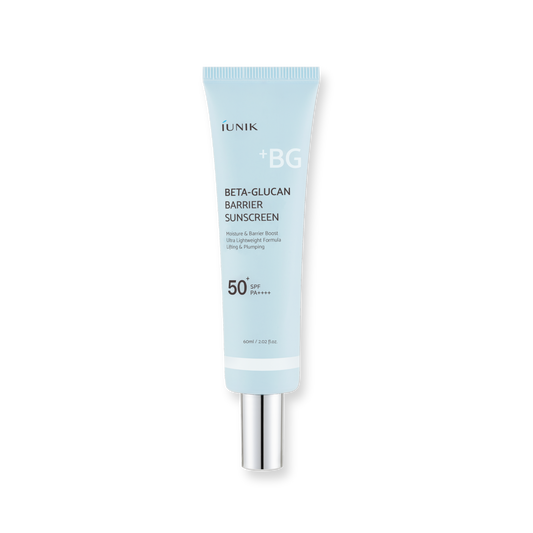
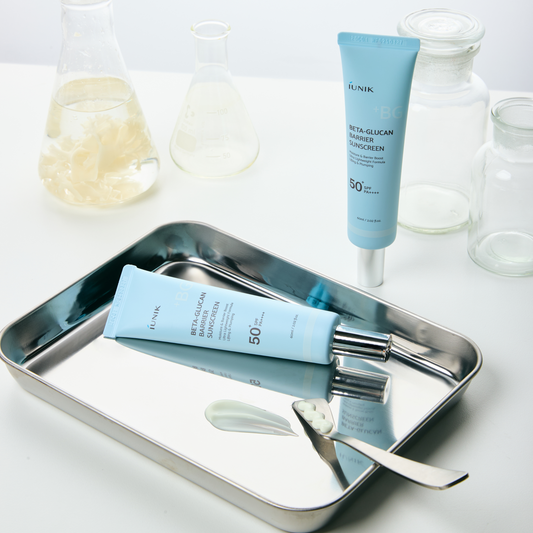
Beta Glucan Barrier Sunscreen
Firming sun defense SPF
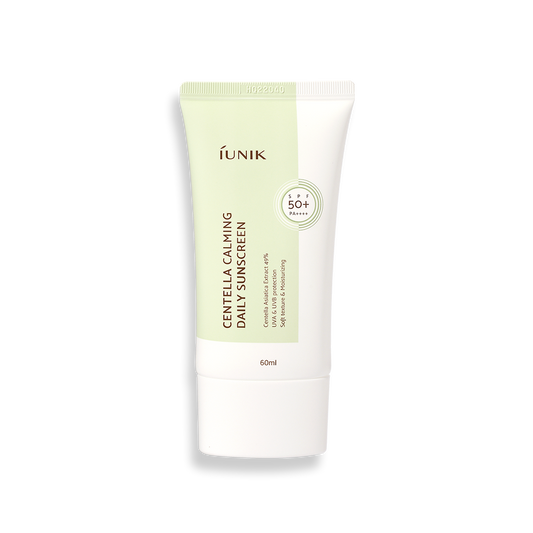
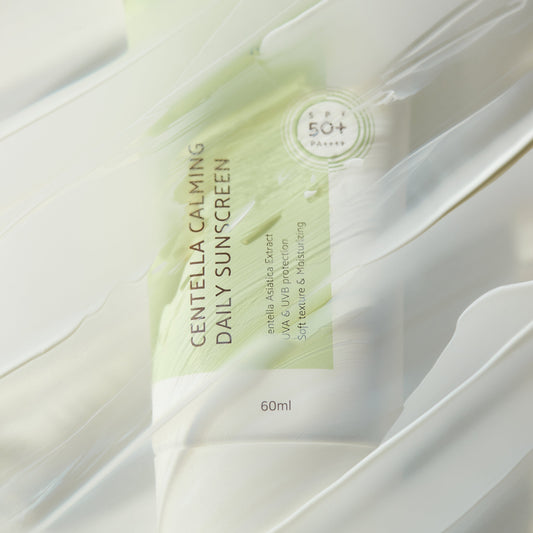
Centella Calming Daily Sunscreen
Calming sun care SPF