


Why Your Skin Needs More Than Just Hyaluronic Acid
Spring is the season when most people go looking for a lighter serum — something that delivers serious hydration without the weight of winter formulas. Beta-glucan is the answer to that question. And if you haven't made the switch yet, here's exactly why it should be next on your routine.

What Is Beta-Glucan?
Beta-glucan is a naturally occurring polysaccharide — a type of complex sugar found in the cell walls of certain fungi, yeasts, oats, and barley. In skincare, it functions primarily as a humectant: an ingredient that draws moisture into the skin and holds it there. But beta-glucan's molecular behaviour sets it apart from the humectants most people are familiar with.
Unlike hyaluronic acid, which largely works at the surface of the skin, beta-glucan's smaller molecular structure allows it to penetrate deeper into the epidermis. That means it delivers hydration where surface-level ingredients can't reach — improving skin density and moisture levels at multiple layers simultaneously rather than just creating the appearance of hydration at the top.

Beta-Glucan vs. Hyaluronic Acid: What's the Difference?
Hyaluronic acid has dominated skincare for years — and it's a genuinely good ingredient. But it has a significant limitation: it works almost entirely at the surface. It draws moisture from the environment into the outer skin layer and creates an immediate plumping effect. The moment humidity drops or the product wears off, so does that moisture.
Beta-glucan operates differently. Its deeper penetration means it improves moisture levels at the surface, inner, and barrier layers of the skin — not just the top. The result is hydration that lasts longer, feels more stable, and improves the skin's actual capacity to retain moisture over time rather than just temporarily plumping it.
There's also a critical practical difference: beta-glucan is exceptionally well-tolerated. It's free from the most common allergens, compatible with sensitive and reactive skin, and unlike some formulations of hyaluronic acid, it doesn't draw moisture away from the skin in low-humidity environments. For spring, when barrier resilience matters during the seasonal transition, this stability is a meaningful advantage.
Why Beta-Glucan Is Particularly Well-Suited to Spring
Spring creates a specific set of skin challenges that beta-glucan is unusually well-placed to address.
Sebum increases
As temperatures rise, oil production picks up. Many people abandon hydrating serums at this point, assuming they don't need moisture — but this is exactly what disrupts the barrier. Beta-glucan's lightweight gel texture and deep-penetrating hydration give skin what it needs without surface weight or congestion.
STRESSED BARRIER
Temperature fluctuations between cool mornings and warm afternoons stress the skin barrier during spring. Beta-glucan actively supports barrier recovery alongside its hydrating function — clinically validated to improve barrier layer moisture specifically, not just surface hydration.
Sensitivity peaks
Seasonal transitions correlate with increased reactivity for many skin types. Beta-glucan is Dermatest certified for sensitive skin, HRIPT tested, and free from 26 common allergens — making it one of the safest active ingredients to introduce or lean on during a reactive period.
Lighter textures
Heavy winter serums start to feel like too much once the weather shifts. Beta-glucan in a lightweight gel format delivers superior hydration depth in a texture that feels appropriate for spring — fresh, non-sticky, and comfortable on skin that's warming up.

The Science Behind It
Beta-glucan's effectiveness isn't marketing — it's well-documented. As a humectant, it holds significantly more water per molecule than hyaluronic acid, which translates directly into longer-lasting and more stable hydration. Its anti-inflammatory properties are also clinically established: beta-glucan activates skin repair mechanisms, calms irritation, and supports the kind of barrier resilience that keeps skin balanced through environmental stress.
The additional ingredient worth noting alongside beta-glucan is adenosine — a naturally occurring compound that supports skin cell regeneration and visibly improves the appearance of skin texture and elasticity over time. It's not a dramatic active in the way that retinol or vitamin C are, but its cumulative contribution to skin quality is real and consistent.
Who Is It For?
The honest answer is: almost everyone. Beta-glucan is one of the few skincare ingredients without a meaningful contraindication for any skin type. But it's particularly valuable for:
Sensitive or reactive skin that can't tolerate niacinamide, retinol, or even hyaluronic acid without irritation — beta-glucan is certified safe for sensitive skin and free from the most common triggers.
Post-treatment or compromised skin recovering from retinol, acids, or in-clinic treatments. Beta-glucan's barrier-repair and anti-inflammatory properties make it one of the most supportive ingredients during recovery.
Acne-prone and fungal-acne-prone skin that needs hydration without any risk of feeding existing conditions. The formula is certified fungal acne safe and non-comedogenic.
Anyone in a routine simplification phase — beta-glucan handles hydration at multiple skin layers, which means it can replace several hydration-focused products without losing efficacy.

The IUNIK Beta Glucan Power Moisture Serum
The IUNIK Beta Glucan Power Moisture Serum is built around a deliberately minimalist formulation: 10 ingredients, nothing unnecessary. Beta-glucan at 160,000ppb is the active core, supported by glycerin and sodium PCA for additional humectant function, and adenosine for skin renewal support. The formula contains no fragrance, no essential oils, and none of the 26 most common allergens.
Clinically, it's been validated across three areas that matter: 3-layer moisture improvement (surface, inner, and barrier layers simultaneously), skin density improvement, and instant moisture barrier formation. These aren't surface-level claims — they reflect the deeper hydration mechanism that distinguishes beta-glucan from most other serums on the market.
The texture is a lightweight gel that absorbs quickly and leaves no residue. It layers cleanly under moisturiser and SPF without disrupting either, and its compatibility profile means it can be introduced alongside almost any existing routine without concern.
Rated 4.8 stars with 95% of reviewers recommending it — including users with acne-prone, isotretinoin-recovering, hormonal, and sensitive skin who had struggled to find a hydration serum that worked without causing problems.
The Case for Simplifying
One of the most common mistakes in spring routine transitions is adding more — more actives, more targeted treatments, more products to address the new concerns that come with the season. But the most effective spring reset is usually the opposite: consolidating around one ingredient that does its job exceptionally well, across multiple skin needs, without any of the friction that comes with complex routines.
Beta-glucan does that. Deep hydration, barrier support, anti-inflammatory action, sensitive-skin compatibility, lightweight texture. It doesn't do everything — but what it does, it does better than most serums on the market.


Beta-Glucan Barrier Ampoule Cleanser
Moisture Barrier Care, Starting at the Cleansing Step


Beta-Glucan All In One Barrier Lotion
Dual Barrier Complex — Stronger Skin with Every Use


Beta-Glucan All In One Gentle Wash
An all-in-one wash that gently cleanses with a rich, creamy lather.
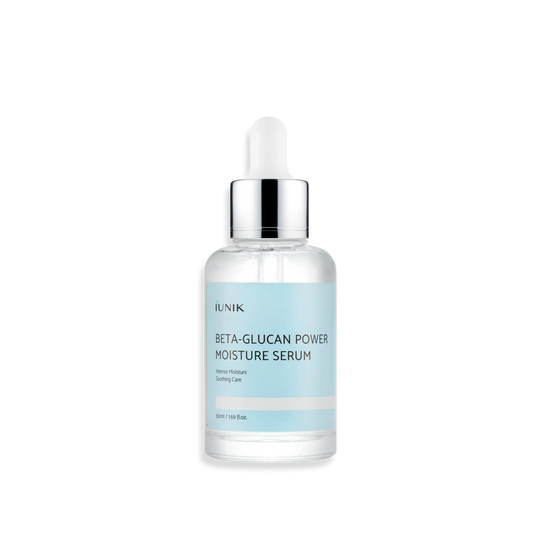

Beta Glucan Power Moisture Serum
Lightweight daily moisture serum

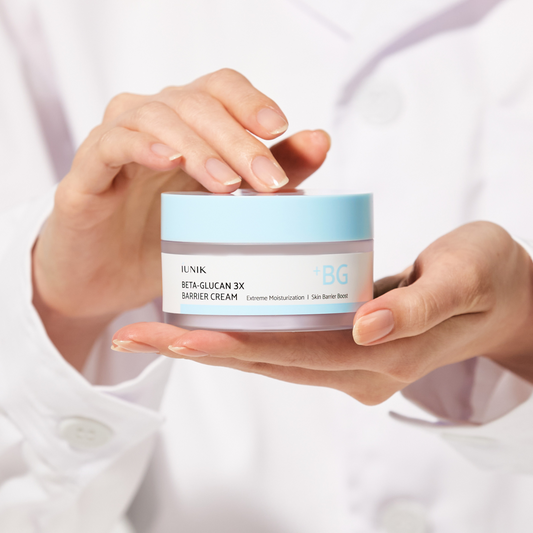
Beta Glucan 3X Barrier Cream
Triple barrier repair cream

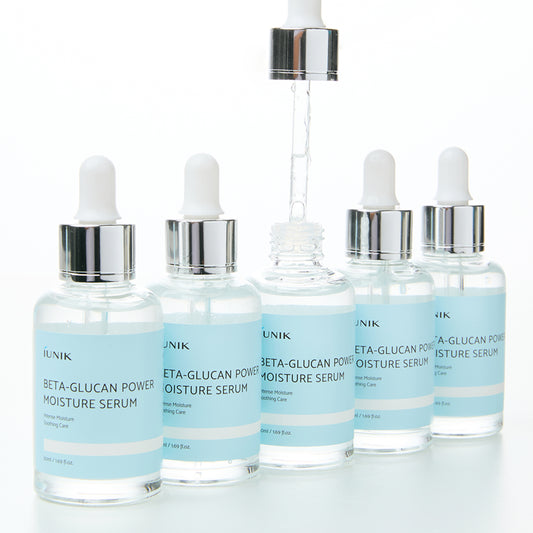
Barrier Recovery Duo
Complete barrier repair
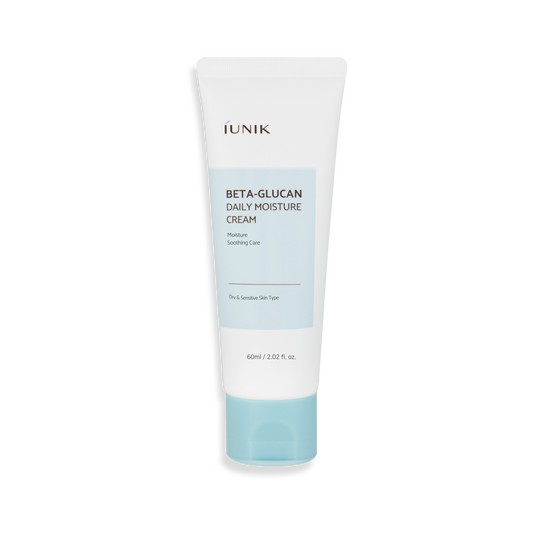
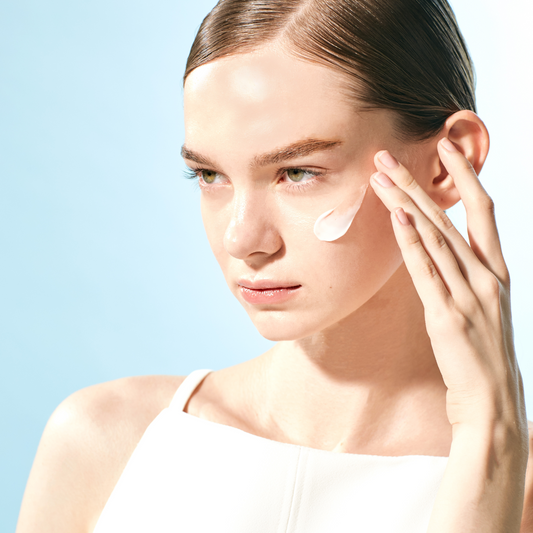
Beta Glucan Daily Moisture Cream
Lightweight daily hydration cream


Beta-Glucan Lacto Barrier Milk Essence
Barrier-firming milk essence