


Brighten by Day, Glow Overnight: The TXA PDRN Pairings
Brightening routines tend to stall in a particular way. The dark spots are slowly going — you can see it if you compare photos — but your skin still doesn't look lit. It looks like skin with fewer spots on it.
That's because you're asking a brightening routine for two different things at once, and they happen at different times of day.
Brighten by Day, Glow Overnight: The TXA PDRN Pairings
Brightening routines tend to stall in a particular way. The dark spots are slowly going — you can see it if you compare photos — but your skin still doesn't look lit. It looks like skin with fewer spots on it.
That's because you're asking a brightening routine for two different things at once, and they happen at different times of day.

Brightening Has a Day Job and a Night Job
Fading pigment is correction. It's slow, it's chemical, and it happens best overnight, when there's a long uninterrupted stretch and no new UV coming in to undo the work.
Looking bright is more immediate. It's about how evenly your skin reflects light — surface texture, hydration, and whether the day's damage is being intercepted before it turns into next month's dark spot.
The TXA Niacinamide Narcissus PDRN Serum is built for the first job. Tranexamic acid and niacinamide work on pigment through different routes, and the Narcissus PDRN handles overall radiance. It does the correcting well.
What it can't do is cover both shifts. That's what the boosters are for.
Brightening Has a Day Job and a Night Job
Fading pigment is correction. It's slow, it's chemical, and it happens best overnight, when there's a long uninterrupted stretch and no new UV coming in to undo the work.
Looking bright is more immediate. It's about how evenly your skin reflects light — surface texture, hydration, and whether the day's damage is being intercepted before it turns into next month's dark spot.
The TXA Niacinamide Narcissus PDRN Serum is built for the first job. Tranexamic acid and niacinamide work on pigment through different routes, and the Narcissus PDRN handles overall radiance. It does the correcting well.
What it can't do is cover both shifts. That's what the boosters are for.

For the Night Shift: The Sleeping Mask
Your evening routine has one advantage nothing else does — several unbroken hours with no sun, no makeup, and nothing rubbing off on a collar.
The Propolis Vitamin Sleeping Mask is the layer that takes advantage of it. Applied over the serum as the last step, it holds everything in place through the night instead of letting it evaporate off, and adds its own nourishing work on top.
You don't need it every night. Two or three evenings a week is enough for most people, and if your skin runs oily you may prefer to keep it to that rather than nightly.
This is the pairing to choose if your main frustration is spots that won't shift.

For the Day Shift: The Propolis Vitamin Synergy Serum
Every hour of unprotected daylight makes more of exactly what you're trying to fade. Morning brightening is largely defensive work.
The Propolis Vitamin Synergy Serum is the morning half. It uses sea buckthorn-derived vitamin C rather than L-ascorbic acid, which matters here — it delivers the antioxidant protection without the acidity that makes traditional vitamin C awkward to sit next to other actives.
The simplest way to run it: Propolis serum in the morning under your SPF, TXA serum in the evening. Splitting them across the day means neither is competing for space, and each is working when it does its best work.
This is the pairing to choose if your skin looks dull overall rather than spotted, or if you're outdoors a lot.

For Texture: The Rose Galactomyces Synergy Serum
There's a third version of "my skin looks dull" that has nothing to do with pigment. Skin can be perfectly even in tone and still look flat, because the surface is rough enough to scatter light unevenly. Makeup goes on patchy, and no amount of pigment correction changes it.
The Rose Galactomyces Synergy Serum works on that — galactomyces ferment refining surface texture and clarity rather than acting on melanin production.
Because it works on a different mechanism entirely, it stacks cleanly with the TXA serum rather than duplicating it. Apply the Rose serum first, then the PDRN serum on top. The TXA serum is non-acidic and stable, so it layers without the pH conflicts that make vitamin C routines fussy.
This is the pairing to choose if your skin is more textured than spotted.
For the Night Shift: The Sleeping Mask
Your evening routine has one advantage nothing else does — several unbroken hours with no sun, no makeup, and nothing rubbing off on a collar.
The Propolis Vitamin Sleeping Mask is the layer that takes advantage of it. Applied over the serum as the last step, it holds everything in place through the night instead of letting it evaporate off, and adds its own nourishing work on top.
You don't need it every night. Two or three evenings a week is enough for most people, and if your skin runs oily you may prefer to keep it to that rather than nightly.
This is the pairing to choose if your main frustration is spots that won't shift.
For the Day Shift: The Propolis Vitamin Synergy Serum
Every hour of unprotected daylight makes more of exactly what you're trying to fade. Morning brightening is largely defensive work.
The Propolis Vitamin Synergy Serum is the morning half. It uses sea buckthorn-derived vitamin C rather than L-ascorbic acid, which matters here — it delivers the antioxidant protection without the acidity that makes traditional vitamin C awkward to sit next to other actives.
The simplest way to run it: Propolis serum in the morning under your SPF, TXA serum in the evening. Splitting them across the day means neither is competing for space, and each is working when it does its best work.
This is the pairing to choose if your skin looks dull overall rather than spotted, or if you're outdoors a lot.
For Texture: The Rose Galactomyces Synergy Serum
There's a third version of "my skin looks dull" that has nothing to do with pigment. Skin can be perfectly even in tone and still look flat, because the surface is rough enough to scatter light unevenly. Makeup goes on patchy, and no amount of pigment correction changes it.
The Rose Galactomyces Synergy Serum works on that — galactomyces ferment refining surface texture and clarity rather than acting on melanin production.
Because it works on a different mechanism entirely, it stacks cleanly with the TXA serum rather than duplicating it. Apply the Rose serum first, then the PDRN serum on top. The TXA serum is non-acidic and stable, so it layers without the pH conflicts that make vitamin C routines fussy.
This is the pairing to choose if your skin is more textured than spotted.
Pick One, Not All Three
Three brighteners layered onto one face is more than any skin needs, and you'd have no way of knowing which one earned the result.
If you can't decide, go by what you'd complain about first. Stubborn spots point to the sleeping mask. Overall flatness and a lot of sun exposure point to the Propolis serum. Rough texture and patchy makeup point to the Rose serum.
Add one, live with it for a few weeks, and only then consider a second.
Pick One, Not All Three
Three brighteners layered onto one face is more than any skin needs, and you'd have no way of knowing which one earned the result.
If you can't decide, go by what you'd complain about first. Stubborn spots point to the sleeping mask. Overall flatness and a lot of sun exposure point to the Propolis serum. Rough texture and patchy makeup point to the Rose serum.
Add one, live with it for a few weeks, and only then consider a second.
The Part That Matters More Than Any Booster
If you're using a brightening routine without daily sunscreen, no second product will fix that.
UV is what drives melanin production in the first place. Fading pigment while continuing to make more of it is the most common reason brightening routines quietly fail, and it isn't a formulation problem — the serum is working, it's just being outrun.
Sort that first. Everything above works considerably better once it's handled.
What to Expect
Two different clocks running at once.
The glow — the surface, light-reflecting kind — starts showing within a week or two, and that's mostly what the boosters are contributing.
The pigment work is slower. Eight to twelve weeks of consistent use before it's fair to judge, and old marks that have been there for years take longer than recent ones.
What to Expect
Two different clocks running at once.
The glow — the surface, light-reflecting kind — starts showing within a week or two, and that's mostly what the boosters are contributing.
The pigment work is slower. Eight to twelve weeks of consistent use before it's fair to judge, and old marks that have been there for years take longer than recent ones.
The Takeaway
The serum corrects. The mask gives it a better night to do it in, the Propolis serum defends the ground it's gained, and the Rose serum handles the dullness that was never about pigment.
Work out which of those three your skin is actually asking for, and add that one.
Through August, pairing the TXA Niacinamide Narcissus PDRN Serum with any of these boosters is discounted.
The Takeaway
The serum corrects. The mask gives it a better night to do it in, the Propolis serum defends the ground it's gained, and the Rose serum handles the dullness that was never about pigment.
Work out which of those three your skin is actually asking for, and add that one.
Through August, pairing the TXA Niacinamide Narcissus PDRN Serum with any of these boosters is discounted.


TXA Niacinamide Narcissus PDRN Serum
Fade Spots, Brighten Tone
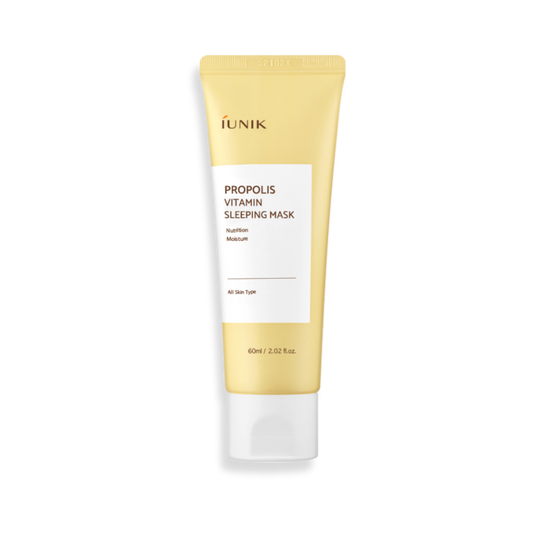
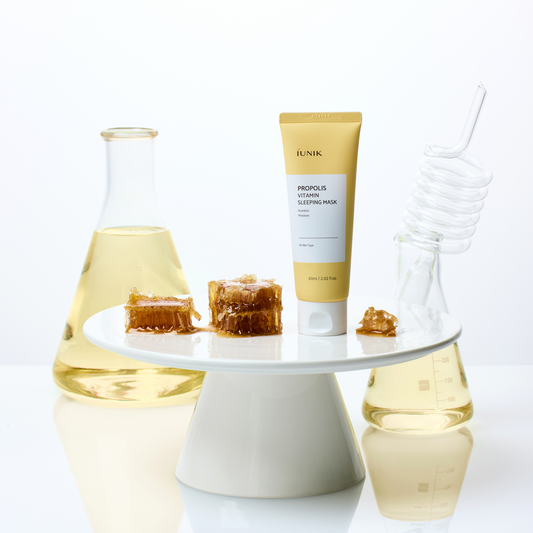
Propolis Vitamin Sleeping Mask
Overnight glow mask
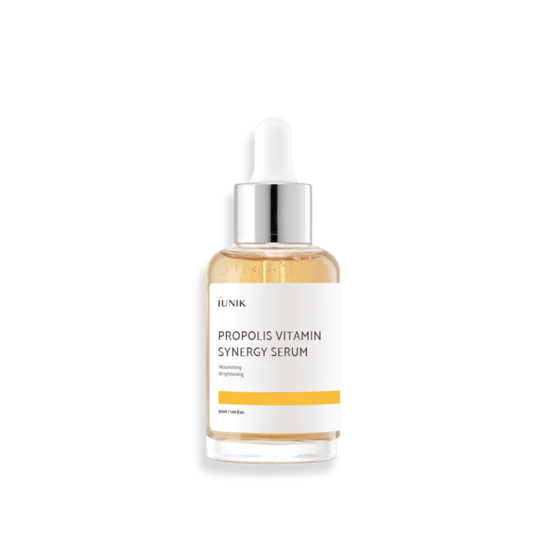
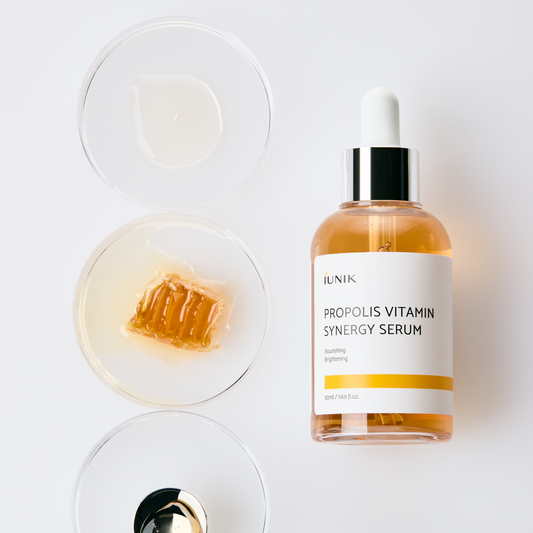
Propolis Vitamin Synergy Serum
Radiance + nutrition serum
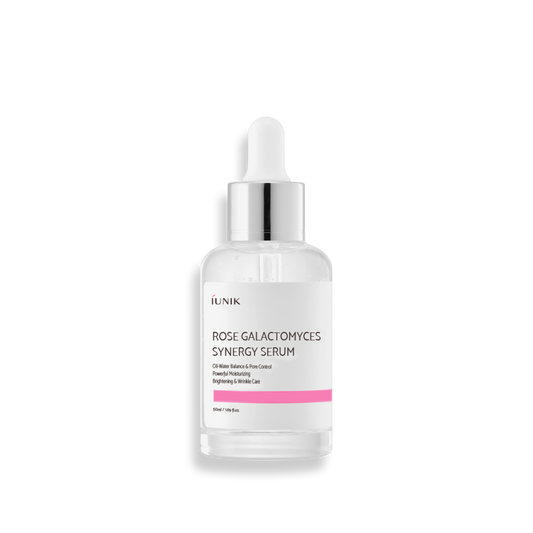
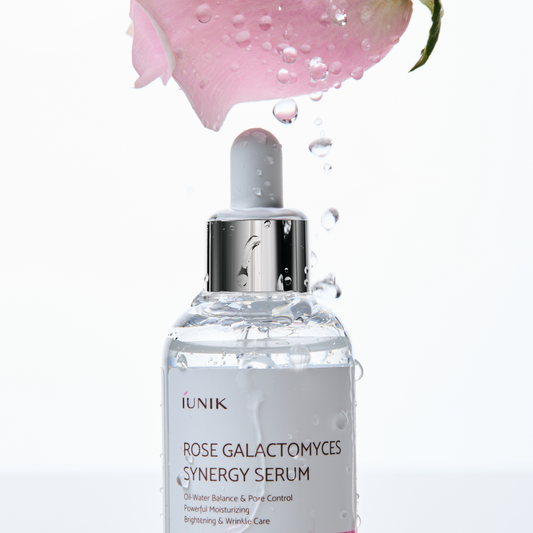
Rose Galactomyces Synergy Serum
Radiance boosting serum