


Calendula: The Oldest Skincare Ingredient That's Still Beating Everything Else
Most trending skincare ingredients have a lifespan. They arrive with a wave of clinical studies and social media posts, peak, and then quietly get replaced by whatever comes next. Calendula is not that. It has been used medicinally and topically for over a thousand years — and the reason it's still here is straightforward: it works.
Here's what it actually does to skin, and why it belongs in your routine.

What Is Calendula?
Calendula is derived from Calendula officinalis, the common pot marigold. It's not to be confused with decorative marigolds; calendula is a specific plant with a long history of medicinal use across European, Middle Eastern, and South Asian traditions. The flower petals and extracts have been used in wound healing, skin soothing, and anti-inflammatory preparations long before the term "active ingredient" existed.
In skincare, calendula is used as a standardised extract — typically an infusion, CO2 extract, or distillate — containing the compounds responsible for its therapeutic effects: flavonoids, triterpenoids, polysaccharides, and carotenoids. These aren't decorative additions to a formula. Each class of compound has a documented function.
What Calendula Actually Does
Anti-inflammatory action
The flavonoids and triterpenoids in calendula — particularly oleanolic acid glycosides and isorhamnetin — inhibit pro-inflammatory pathways in the skin. In practical terms: redness calms, reactive skin becomes more stable, and the low-level inflammation that drives sensitivity, congestion, and accelerated ageing is reduced. This is the core of calendula's value, and it's been consistently supported by research.
Barrier support
Calendula's polysaccharide content contributes to skin barrier function by supporting the skin's ability to retain moisture and resist environmental disruption. It doesn't work the same way as a ceramide or an occlusive — it supports the barrier from the inside out, through the skin's own repair mechanisms.
Antimicrobial properties
Calendula has demonstrated antimicrobial activity against a range of bacteria and fungi. For skincare, this matters most in cleansing — where the goal is to remove the bacteria, sebum, and environmental debris that accumulate on the skin's surface without disrupting the barrier in the process.
Wound healing and cell regeneration
Historically, calendula was used in wound care — and that use wasn't misplaced. It stimulates the production of collagen and promotes tissue repair, which in everyday skincare translates to improved recovery from breakouts, minor irritation, and barrier disruption.
Antioxidant protection
The carotenoids in calendula — the same compounds that give the flower its distinctive orange-yellow colour — are potent antioxidants. They neutralise free radical damage from UV exposure and pollution, contributing to the kind of long-term skin health that no single clinical treatment can replicate.

Who Is It For?
The honest answer is that calendula is one of the most universally appropriate skincare ingredients there is. It has no meaningful contraindications, no purging period, no adjustment phase. But it's particularly valuable for:
Sensitive and reactive skin. The anti-inflammatory and barrier-supporting properties make calendula one of the best ingredients available for skin that overreacts — to products, weather, stress, or hormonal fluctuation. It calms without numbing. It supports the barrier without disrupting it.
Acne-prone skin. Calendula addresses two of the root factors in acne simultaneously: the inflammation that makes breakouts worse, and the bacterial load on the skin's surface that contributes to them. It does this without the dryness or irritation that more aggressive acne ingredients tend to cause.
Dry and compromised skin. Barrier-disrupted skin — whether from over-exfoliation, harsh cleansers, or environmental stress — responds well to calendula's combination of anti-inflammatory and barrier-repair action.
Anyone who cleanses daily. Which is everyone. The cleansing step is where calendula's antimicrobial and anti-inflammatory properties are most directly relevant — removing what needs to go while protecting what needs to stay.
The Case for Ingredients That Have Lasted
There's a version of skincare that chases novelty — the newest peptide, the freshest ferment, the ingredient that launched last season. And there's a version that trusts what has consistently worked across centuries of use and decades of clinical validation.
Calendula sits firmly in the second category. It didn't survive a thousand years of use by accident. Science caught up with what traditional medicine already knew — and what it found confirmed everything.
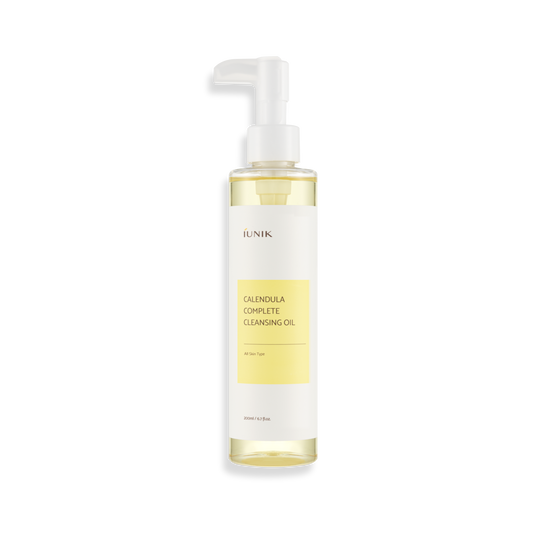
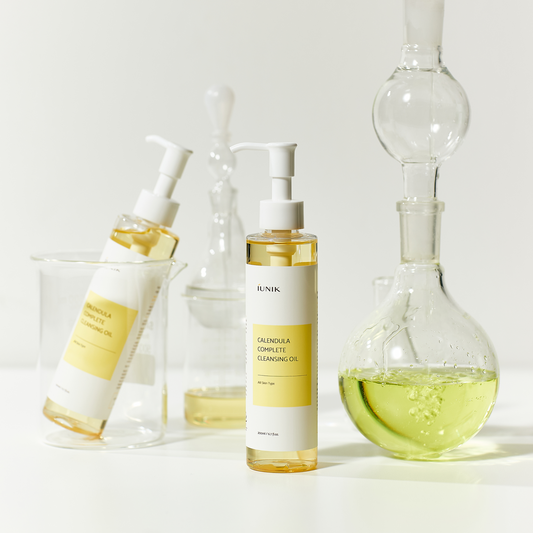
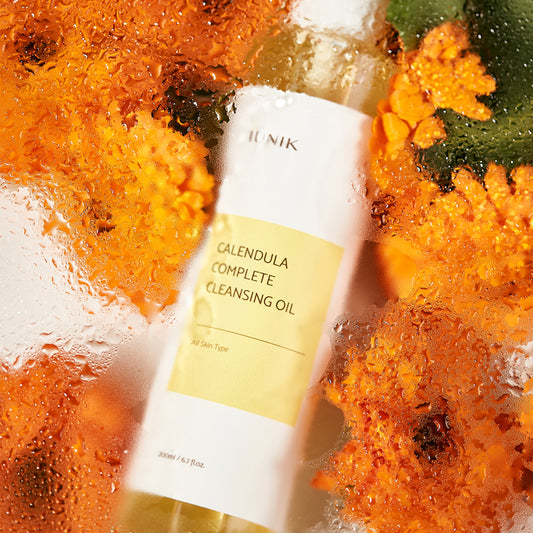
Calendula Complete Cleansing Oil
Sensitive skin cleansing oil
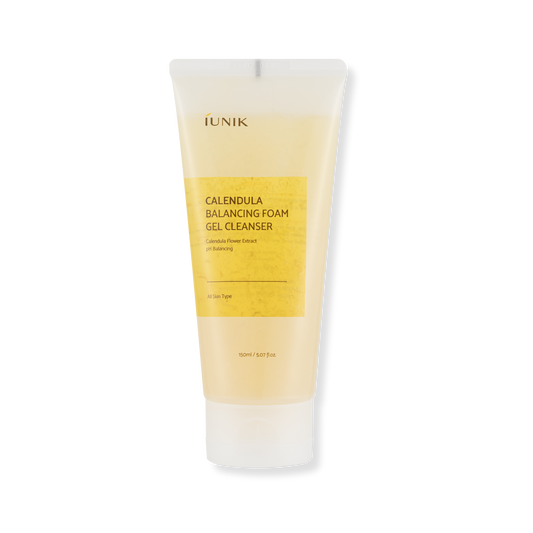
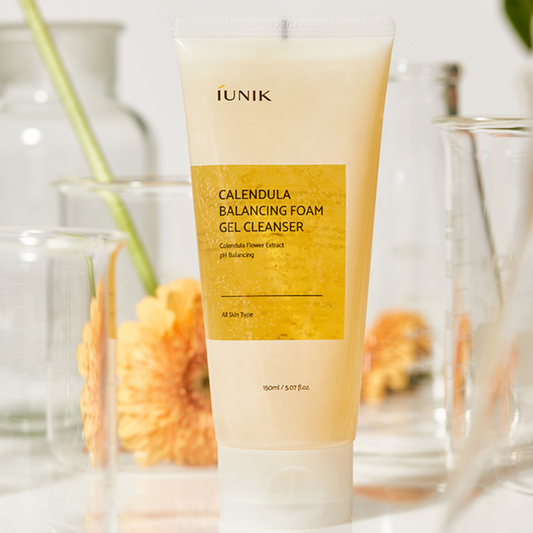
Calendula Balancing Foam Gel Cleanser
Balancing daily cleanse gel
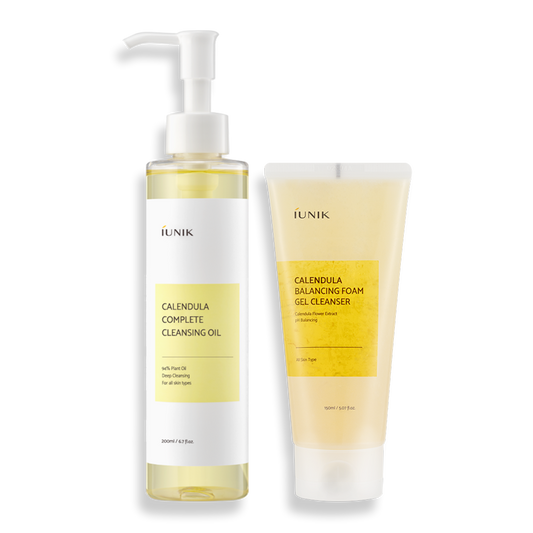
Calendula Double Cleansing Duo
Gentle deep cleansing