


Calm, Clear Skin Without the Irritation: The Azelaic PDRN Pairings
When a breakout isn't clearing, the instinct is to go harder. Add a stronger acid, exfoliate more often, layer a second treatment on top.
For skin that's red as well as congested, that instinct is usually what turns a manageable situation into an angry one. The Azelaic Acid Lacto PDRN Serum exists precisely because that skin needs both problems handled at once, at 12% azelaic acid with Lactobacillus PDRN alongside it doing the soothing.
Getting the most out of it has less to do with adding strength and more to do with what you put around it. Here are the two boosters, and the specific problem each one solves.
Calm, Clear Skin Without the Irritation: The Azelaic PDRN Pairings
When a breakout isn't clearing, the instinct is to go harder. Add a stronger acid, exfoliate more often, layer a second treatment on top.
For skin that's red as well as congested, that instinct is usually what turns a manageable situation into an angry one. The Azelaic Acid Lacto PDRN Serum exists precisely because that skin needs both problems handled at once, at 12% azelaic acid with Lactobacillus PDRN alongside it doing the soothing.
Getting the most out of it has less to do with adding strength and more to do with what you put around it. Here are the two boosters, and the specific problem each one solves.

The Two Ways This Serum Goes Wrong
Almost every disappointing experience with an azelaic serum is one of these.
Too much, too soon. It stings, skin flares, and it gets abandoned in week two. This is the one serum in the UNIQUE LAB line you're meant to introduce gradually — once or twice a week to start, a drop or two, building up over a few weeks.
Not enough where it counts. The serum treats your whole face at one strength. That's right for general redness, and it's often not quite enough for the two or three spots that are genuinely inflamed. So people compensate by using more of it everywhere, and irritate their entire face to deal with a problem in three places.
The two boosters map onto those two failures.
The Two Ways This Serum Goes Wrong
Almost every disappointing experience with an azelaic serum is one of these.
Too much, too soon. It stings, skin flares, and it gets abandoned in week two. This is the one serum in the UNIQUE LAB line you're meant to introduce gradually — once or twice a week to start, a drop or two, building up over a few weeks.
Not enough where it counts. The serum treats your whole face at one strength. That's right for general redness, and it's often not quite enough for the two or three spots that are genuinely inflamed. So people compensate by using more of it everywhere, and irritate their entire face to deal with a problem in three places.
The two boosters map onto those two failures.

Fix One: Calm the Ground First
An active lands very differently on skin that's already settled than on skin that's tight and reactive.
The Tea Tree Relief Toner goes on at the first step, before the serum, and does exactly that job — hydrating and calming so the azelaic acid isn't the first thing to touch bare, stripped skin after cleansing. Tea tree brings its own work on congestion, so it's pulling in the same direction as the serum rather than adding a competing active.
In practice: toner on damp skin, let it sink for a moment, then the serum. The pause matters more than people expect — applying an active onto a still-wet layer changes how much of it goes in and how fast.
If tea tree has irritated you before, and it does irritate a small number of people, a plain centella toner will do the same prep job.

Fix Two: Go Harder in Three Places, Not Everywhere
The Centella Calming AC Spot Cream solves the second failure. It lets you treat the genuinely inflamed spots at a strength that would be far too much across your whole face.
That separation is the point. Your cheeks don't need what an active breakout needs, and treating them as though they do is how people end up with clearer spots and worse skin.
Serum first, across the face. Spot cream after, only where it's needed. You can use it from day one even while you're still ramping the serum up slowly, since it isn't going anywhere near most of your face.
Fix One: Calm the Ground First
An active lands very differently on skin that's already settled than on skin that's tight and reactive.
The Tea Tree Relief Toner goes on at the first step, before the serum, and does exactly that job — hydrating and calming so the azelaic acid isn't the first thing to touch bare, stripped skin after cleansing. Tea tree brings its own work on congestion, so it's pulling in the same direction as the serum rather than adding a competing active.
In practice: toner on damp skin, let it sink for a moment, then the serum. The pause matters more than people expect — applying an active onto a still-wet layer changes how much of it goes in and how fast.
If tea tree has irritated you before, and it does irritate a small number of people, a plain centella toner will do the same prep job.
Fix Two: Go Harder in Three Places, Not Everywhere
The Centella Calming AC Spot Cream solves the second failure. It lets you treat the genuinely inflamed spots at a strength that would be far too much across your whole face.
That separation is the point. Your cheeks don't need what an active breakout needs, and treating them as though they do is how people end up with clearer spots and worse skin.
Serum first, across the face. Spot cream after, only where it's needed. You can use it from day one even while you're still ramping the serum up slowly, since it isn't going anywhere near most of your face.
Why Adding Calm Beats Adding Strength
Inflamed skin is worse at everything. The barrier leaks, actives sting more, breakouts heal slower, and marks left behind sit around longer and darker.
So when redness and congestion are happening together, the calming half of the routine isn't the soft option — it's what makes the active half tolerable enough to keep using. A 12% azelaic acid you can actually stay on for three months does far more than a stronger treatment you quit in a fortnight.
That's the whole logic of both these pairings. Neither booster adds firepower. They make the firepower you already have survivable.
The First Six Weeks
Roughly how it goes, if you're starting from scratch.
The First Six Weeks
Roughly how it goes, if you're starting from scratch.
Toner every day, morning and evening. Serum twice a week, one or two drops, in the evening. Spot cream on active spots as needed.
Serum every other evening if the first fortnight went smoothly. Everything else unchanged.
Serum daily, or twice daily, up to about five drops. This is the point where most people start seeing the redness settle rather than just the spots clearing.
Toner every day, morning and evening. Serum twice a week, one or two drops, in the evening. Spot cream on active spots as needed.
Serum every other evening if the first fortnight went smoothly. Everything else unchanged.
Serum daily, or twice daily, up to about five drops. This is the point where most people start seeing the redness settle rather than just the spots clearing.
If you hit a rough patch in the first two to four weeks, check where it's happening. Breakouts appearing faster in the places you normally break out is usually the serum bringing forward what was already coming. New irritation in places you don't normally break out, or general stinging redness, means back off the frequency for a week.
One thing worth saying plainly: this is a routine for skin that runs red and congested, not a treatment for diagnosed rosacea, dermatitis, or severe cystic acne. Those need a dermatologist.
If you hit a rough patch in the first two to four weeks, check where it's happening. Breakouts appearing faster in the places you normally break out is usually the serum bringing forward what was already coming. New irritation in places you don't normally break out, or general stinging redness, means back off the frequency for a week.
One thing worth saying plainly: this is a routine for skin that runs red and congested, not a treatment for diagnosed rosacea, dermatitis, or severe cystic acne. Those need a dermatologist.
The Takeaway
The serum does the correcting. The toner makes sure it lands on skin that's ready for it, and the spot cream means you can deal with the worst two spots without punishing the rest of your face.
Start with the toner if your problem is that actives sting. Start with the spot cream if your problem is that the serum is fine everywhere except on the spots that actually bother you.
Through August, pairing the Azelaic Acid Lacto PDRN Serum with either booster is discounted.
The Takeaway
The serum does the correcting. The toner makes sure it lands on skin that's ready for it, and the spot cream means you can deal with the worst two spots without punishing the rest of your face.
Start with the toner if your problem is that actives sting. Start with the spot cream if your problem is that the serum is fine everywhere except on the spots that actually bother you.
Through August, pairing the Azelaic Acid Lacto PDRN Serum with either booster is discounted.


Azelaic Acid Lacto PDRN Serum
Calm Redness, Strengthen Barrier
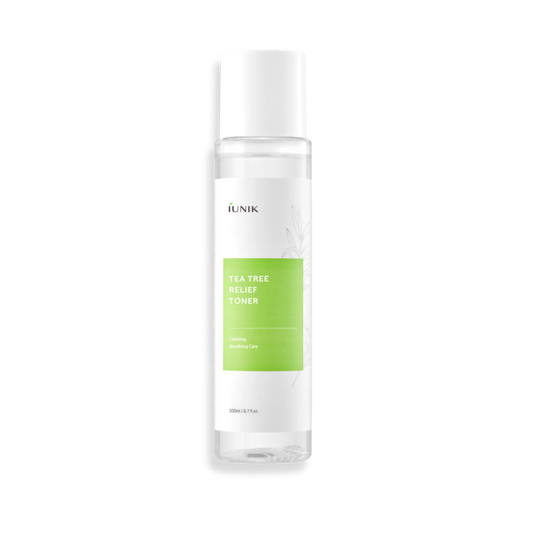
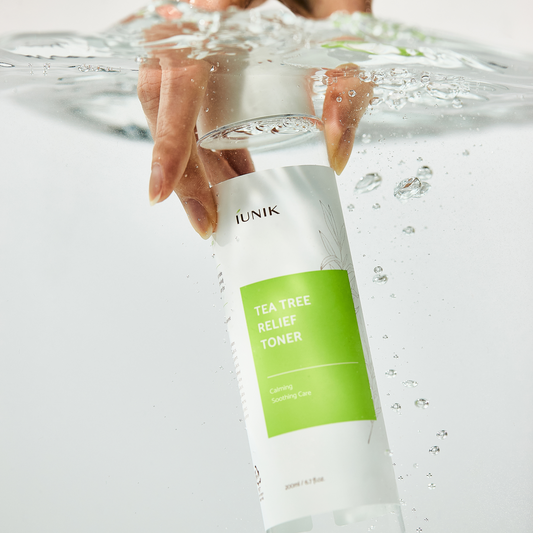
Tea Tree Relief Toner
Soothing water hydration toner
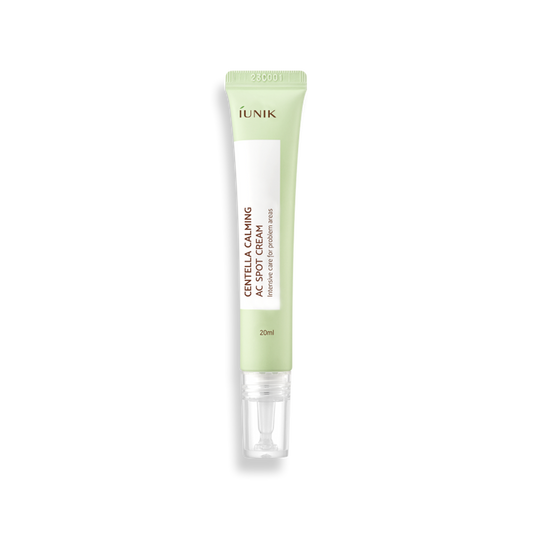
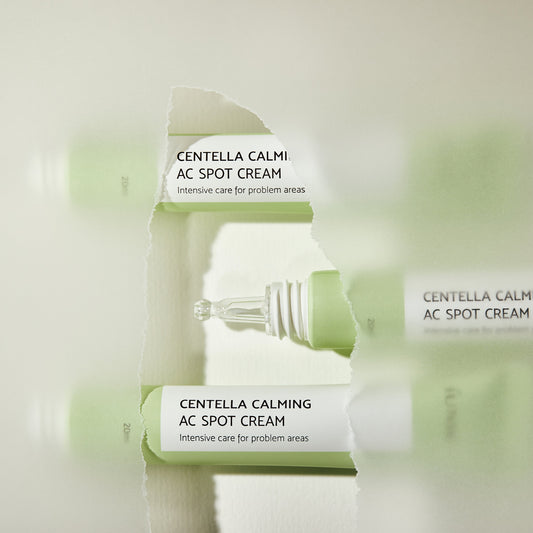
Centella Calming AC Spot Cream
Targeted blemish relief cream