

Centella Asiatica vs Cica: Are They the Same Thing?
Walk through any skincare aisle and you'll see both terms on packaging, sometimes on the same product. Cica. Centella Asiatica. Occasionally Tiger Grass. They're used as if they're interchangeable and they mostly are, but not entirely. The difference is worth understanding, because it affects what you're actually getting from a product and whether it will do what you're hoping.
Where the Confusion Comes From
Centella Asiatica is the plant. It's a small herbaceous plant native to Asia and parts of Africa, used for centuries in Ayurvedic and traditional Chinese medicine for wound healing, skin repair, and anti-inflammatory treatment. Its common names include Gotu Kola and, in Korea, Houttuynia — though Tiger Grass is the marketing name that gained the most traction in Western beauty.
Cica is not a separate plant. It's an abbreviation of Cicatrisant — a term meaning wound-healing — that K-beauty adopted as shorthand for Centella Asiatica-derived ingredients. When a product says cica, it means it contains Centella Asiatica extract or one of its isolated compounds. The two terms refer to the same source.
The distinction that actually matters isn't plant vs. name. It's whole extract vs. isolated actives.

Whole Extract vs. Isolated Compounds
Centella Asiatica contains several active compounds, each with a distinct function:
Asiaticoside stimulates collagen synthesis and supports skin repair. The compound most responsible for centella's wound-healing reputation.
Madecassoside the primary anti-inflammatory agent. Calms redness, reduces irritation, and soothes reactive skin without the side effects associated with stronger anti-inflammatory ingredients.
Asiatic acid supports the extracellular matrix, contributing to skin firmness and the integrity of the barrier.
Madecassic acid works alongside asiatic acid in barrier repair and has demonstrated antimicrobial properties relevant to acne-prone skin.
A product formulated with Centella Asiatica extract contains all of these compounds together, in the ratios they occur naturally in the plant. A product formulated with isolated actives — madecassoside, asiaticoside — delivers a higher, standardised concentration of specific compounds, with more predictable and targeted results.
Neither approach is inherently better. Whole extract is broader and gentler. Isolated actives are more concentrated and targeted. The best formulations use both.

What Centella Asiatica Does to Skin
The reason centella has lasted — in traditional medicine and in modern skincare — is that it addresses several skin concerns simultaneously, through mechanisms that are now well-understood.
Barrier repair. Centella stimulates the production of ceramides and supports the skin's natural lipid structure. For barrier-compromised skin — whether from over-exfoliation, harsh products, or environmental stress — this is the most important function it serves.
Anti-inflammatory action. Madecassoside in particular has been shown to inhibit the inflammatory pathways that drive redness, sensitivity, and reactive skin responses. It calms without suppressing — supporting the skin's own regulation rather than overriding it.
Collagen synthesis. Asiaticoside activates fibroblasts — the cells responsible for producing collagen. This makes centella useful not just for reactive or damaged skin but for anyone focused on long-term skin quality and elasticity.
Wound healing and post-breakout recovery. Centella accelerates the repair of the skin's surface after disruption — breakouts, minor irritation, in-clinic treatments. It reduces the time skin spends in a compromised state and minimises the post-inflammatory marks that often follow.
Sebum regulation. Less discussed but clinically relevant: centella helps regulate sebum production, making it useful for oily and acne-prone skin without the dryness that more aggressive oil-control ingredients tend to cause.

Who Is It For?
Centella is one of the most universally applicable skincare ingredients — it has no meaningful contraindications, no adjustment period, and no purging. But it's particularly valuable for:
Sensitive and reactive skin that needs calming without the risk of further irritation. Centella's anti-inflammatory action is gentle enough for daily use at full strength, including on the most reactive skin types.
Acne-prone and blemish-prone skin dealing with active breakouts and the marks they leave behind. Centella addresses the inflammation driving the breakout and accelerates recovery after it.
Barrier-compromised skin recovering from over-exfoliation, retinol, acids, or in-clinic treatments. The barrier repair function makes it one of the best ingredients to lean on during a recovery phase.
Anyone focused on long-term skin health. The collagen-supporting properties mean centella contributes to skin quality over time — not just reactive benefit management.
The iUNIK Centella Range
IUNIK's Centella range runs centella asiatica extract through every step of a routine — so the ingredient's barrier-repairing, anti-inflammatory, and skin-renewing properties compound across each layer rather than appearing in a single product.


Centella Calming Daily Sun Water
Sun-calming water shield.

Calming Relief Trio
Clear, calm, balanced skin


Calm & Cool Duo
Cool, calm hydration
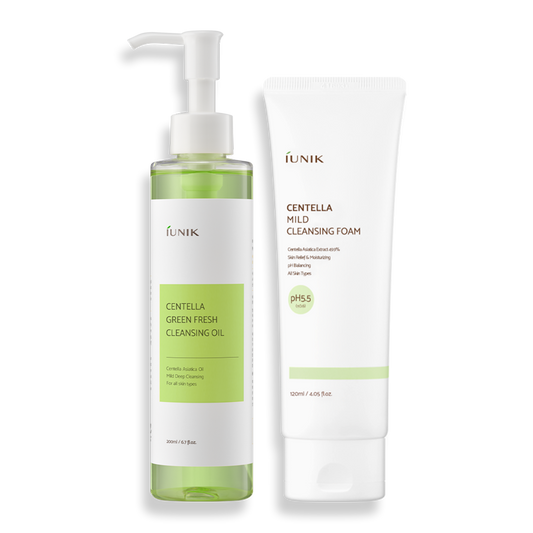
Centella Double Cleansing Duo
Soothing pore cleanse
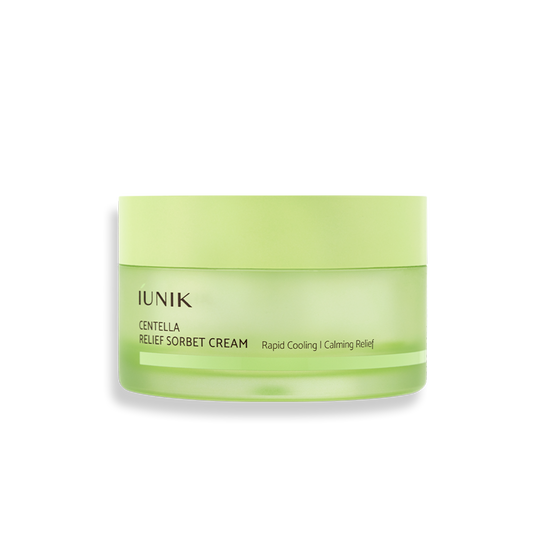
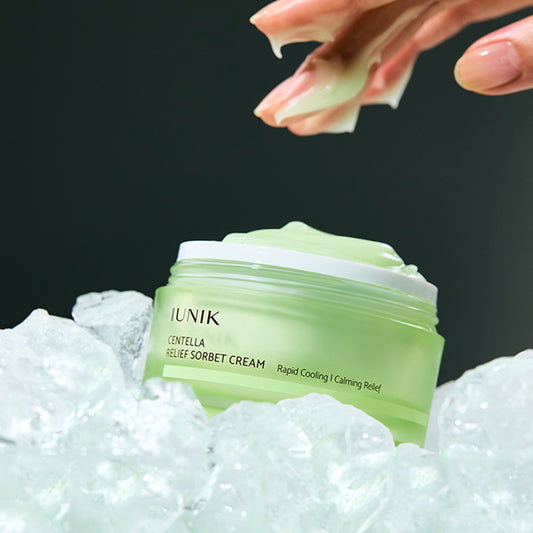
Centella Relief Sorbet Cream
Fresh soothing relief cream
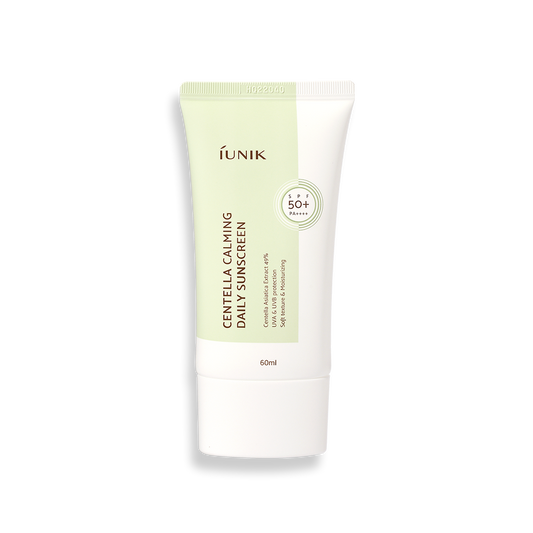
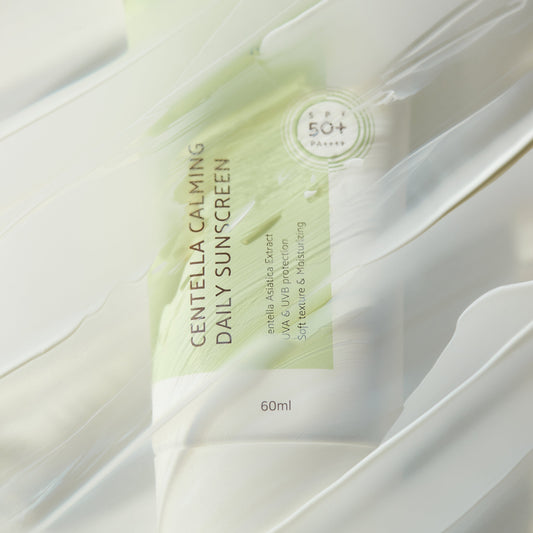
Centella Calming Daily Sunscreen
Calming sun care SPF
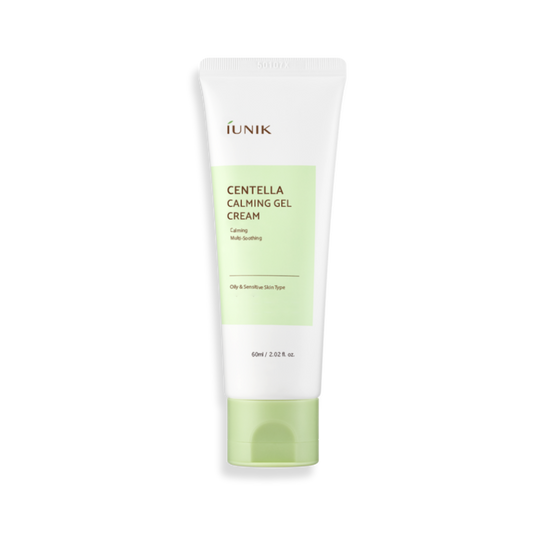
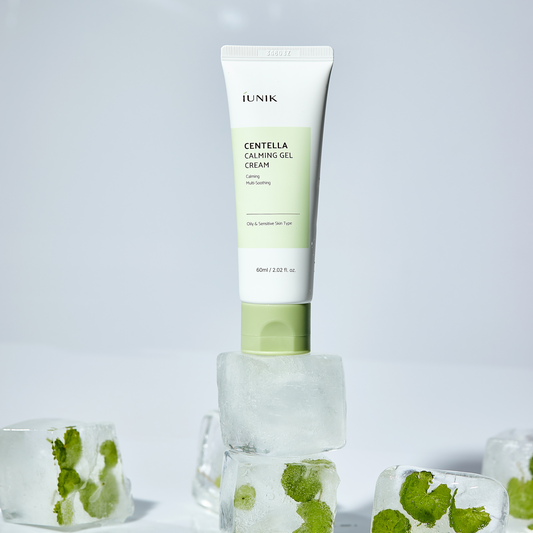
Centella Calming Gel Cream
Soothing gel hydration cream
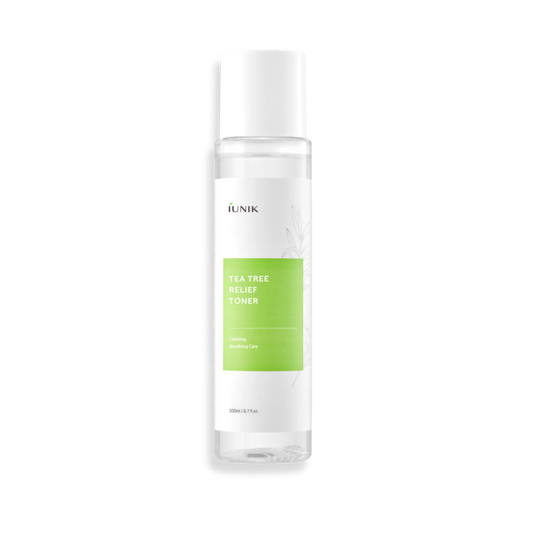
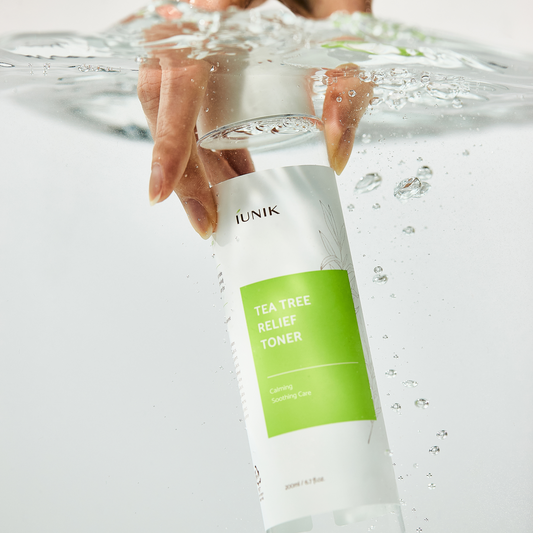
Tea Tree Relief Toner
Soothing water hydration toner
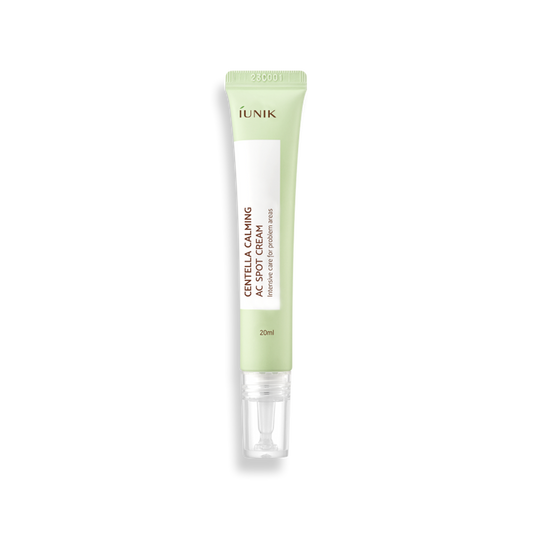
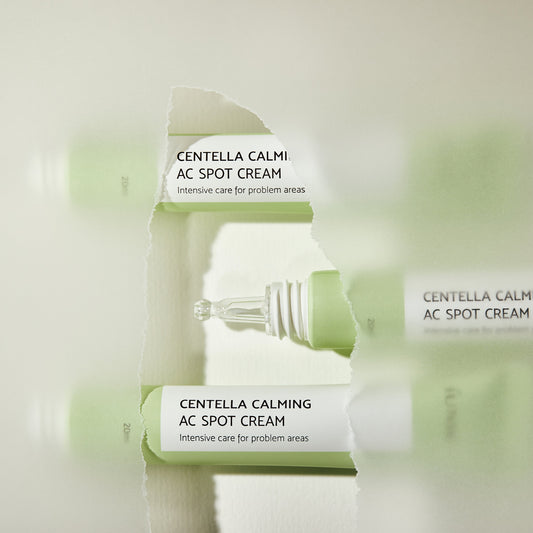
Centella Calming AC Spot Cream
Targeted blemish relief cream
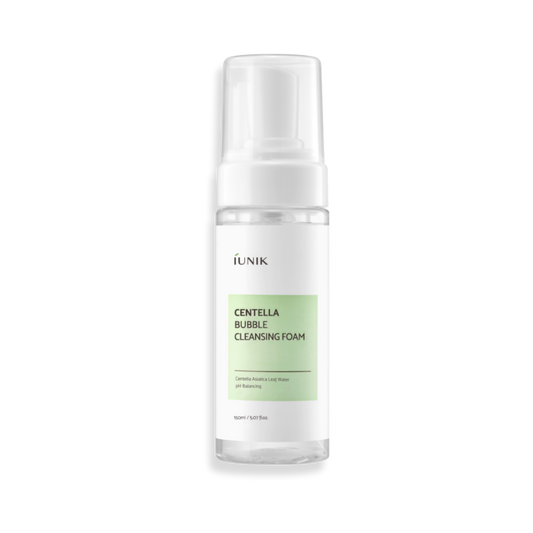
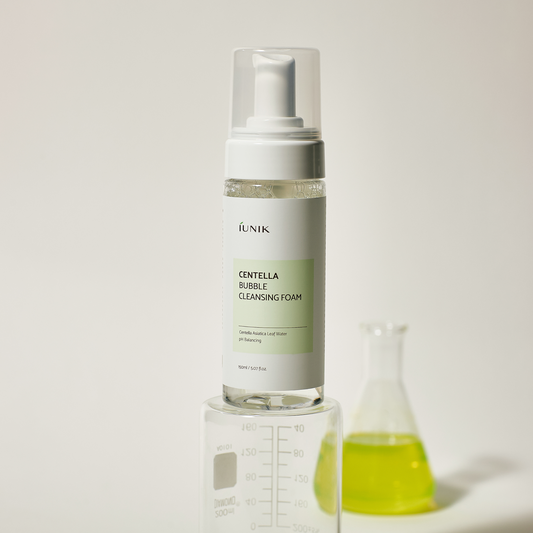
Centella Bubble Cleansing Foam
Gentle bubble wash cleanser
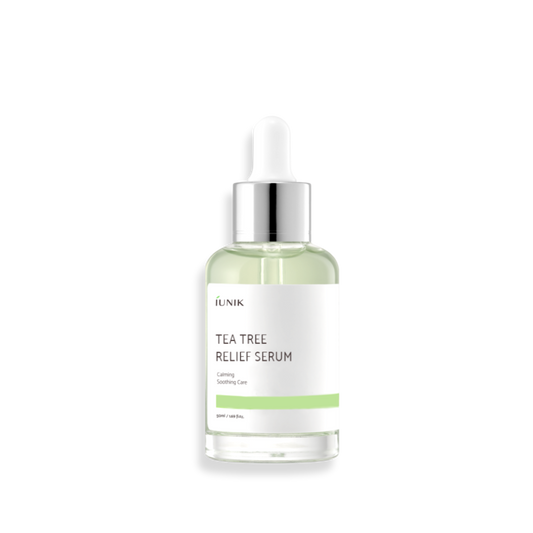
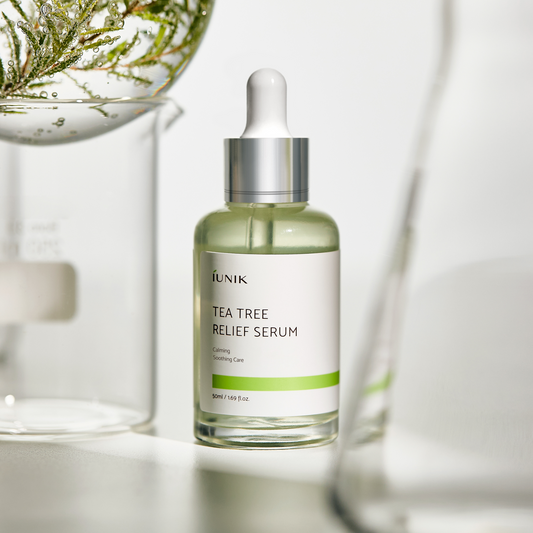
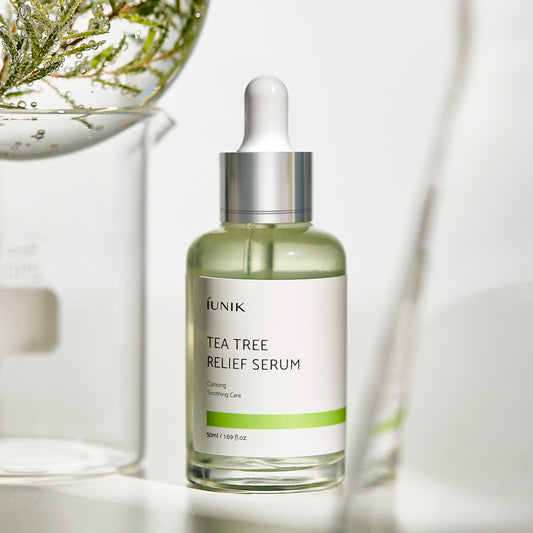
Tea Tree Relief Serum
Blemish calming care serum
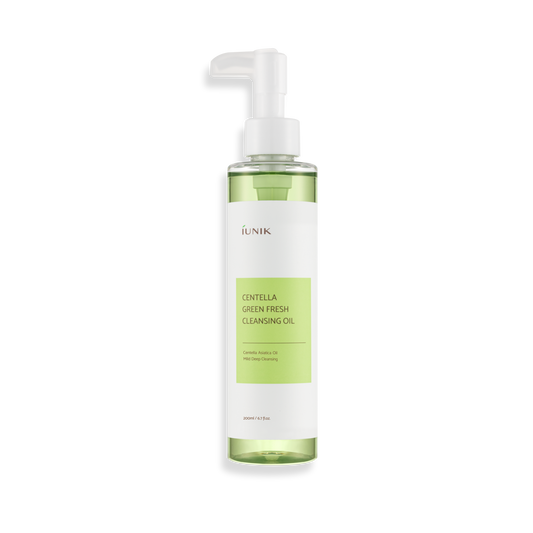
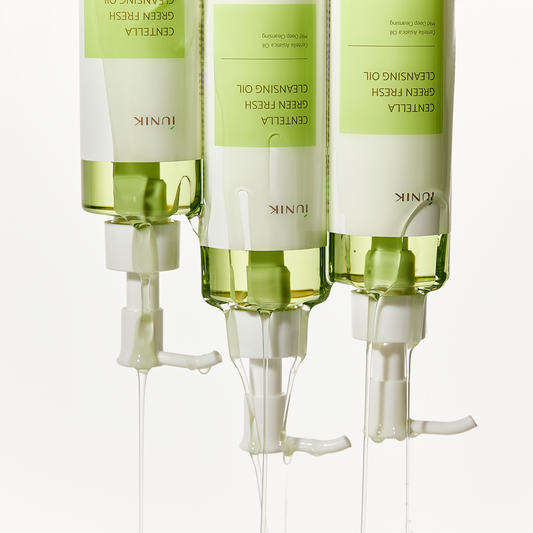
Centella Green Fresh Cleansing Oil
Fresh, plant-powered cleansing oil
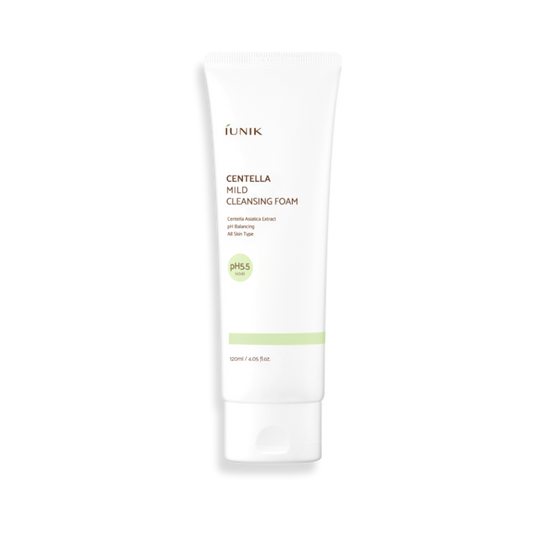
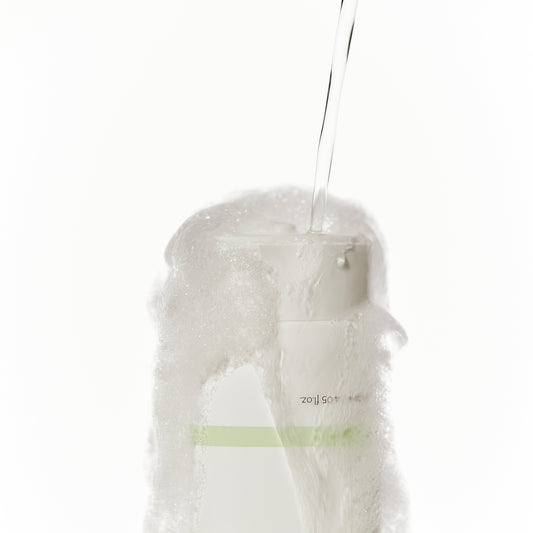
Centella Mild Cleansing Foam
Gentle pore care cleansing foam
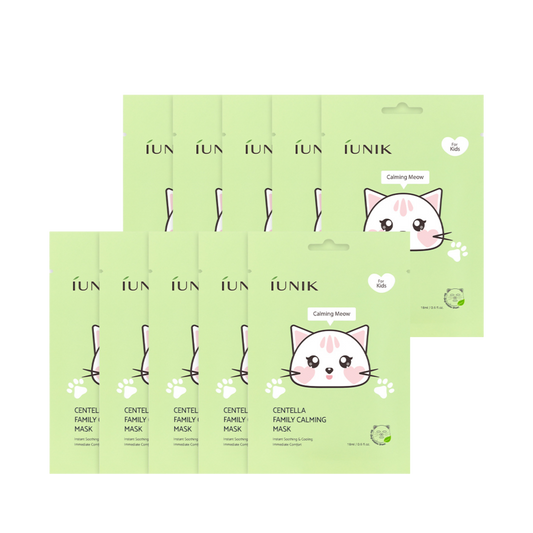

Centella Family Calming Mask For Kids
Cica or Centella: What to Look For on a Label
When you're reading an ingredient list, both matter:
Centella Asiatica Extract whole plant extract, broad benefit, suited to daily use across all skin types
Madecassoside isolated active, targeted anti-inflammatory, higher concentration
Asiaticoside isolated active, targeted collagen support and repair
Asiatic Acid / Madecassic Acid barrier and antimicrobial support
The strongest formulations list centella extract alongside at least one isolated active. That combination gives you the breadth of the whole plant and the precision of standardised actives — which is exactly the approach iUNIK's centella range is built on.
The Short Answer
Cica and Centella Asiatica are the same plant, different terminology. What matters is how the extract is used in the formula — whether it's whole extract, isolated actives, or both — and what concentration it's present at.
Centella is an exceptionally well-supported ingredient for sensitive, reactive, acne-prone, or barrier-compromised skin, with centuries of use and modern research backing its efficacy. Unlike many popular ingredients, it's known to simply work without the need for cautious management, patch testing, or a slow introduction.