

Chemical vs Physical Sunscreen: Which One Is Right for You?
Most people approach the chemical-versus-physical debate with a ready-made narrative. The standard script: physical sunscreen is the "natural," gentle safe haven, while chemical formulas are irritating risks filled with unpronounceable ingredients. Under this logic, you choose physical for sensitive skin and chemical only if you can tolerate the trade-off.
The reality is that almost none of that is true. While the distinction between filter families is real, the framing most people inherit is marketing residue rather than actual chemistry. Korean sunscreen formulation, in particular, has spent years making this rigid binary essentially obsolete.
Here is the honest version of what actually separates them, why the "physical is gentler" assumption is only a half-truth, and how to choose based on what your skin actually needs rather than the myth you were sold.
What Actually Separates Them
The difference comes down to the filters — the active ingredients that handle UV light.
Mineral filters
Mineral sunscreens (often called physical) use zinc oxide and titanium dioxide. The common explanation is that they sit on top of the skin and reflect UV rays like a mirror. But that’s actually a myth: mineral filters absorb roughly 95% of the UV light that hits them and convert it to heat, functioning almost exactly like chemical filters. They only bounce off about 5% of UV radiation. The 'mirror' effect we actually see is just the reflection of visible light, which is what causes the infamous white cast.
Organic filters
Chemical sunscreens are a much larger family of ingredients — names like uvinul, tinosorb, and the newer-generation filters common in Korean and European formulas. They absorb UV and convert it to heat. Different filters in this family cover different parts of the UV spectrum, which is why most modern sunscreens combine several to get broad-spectrum protection.
So the real mechanical difference is narrower than the marketing suggests. Both types mostly work by absorbing UV. The meaningful differences are cosmetic and practical: mineral filters tend to leave a white cast and a heavier finish, organic filters tend to be lighter and more cosmetically elegant, and the two cover the UV spectrum slightly differently.
That's the honest version. Not "natural versus chemical." Two families of filters, each with trade-offs, both doing essentially the same job through similar mechanisms.
Why "Physical Is Gentler" Is a Half-Truth
The Sensitive Skin Trap
Many people suffer through chalky, heavy mineral sunscreens because they assume organic ("chemical") formulas are inherently irritating.
While zinc oxide is genuinely inert and soothing, the heavy formulas it requires often cause user error. If a sunscreen is thick, pasty, and pills under makeup, you are much more likely to under-apply it or skip reapplication entirely.
Enter Modern Filters
The old-school chemical filters that caused stinging eyes and skin reactions have largely been phased out in modern Korean and European formulas. They’ve been replaced by new-generation organic filters that offer two massive upgrades:
High Photostability: They don't degrade rapidly when sunlight hits them.
Excellent Tolerance: They have larger molecular weights, meaning they sit comfortably on the skin barrier rather than absorbing deeply into it, virtually eliminating irritation.
The Bottom Line: For sensitive skin, a well-formulated, elegant modern organic or hybrid sunscreen is often the safer bet. A sunscreen can only protect you if you actually enjoy wearing it enough to apply the right amount.

Where Korean Sunscreens Sit
Korean sunscreen formulation has spent years optimising for exactly the thing the chemical-versus-physical debate ignores: cosmetic elegance and daily wearability. The texture, the finish, the way it layers under makeup, whether it disappears into the skin.
The practical upshot is that most Korean SPF is built to disappear into the skin — broad-spectrum protection in a texture that doesn't announce itself, doesn't leave a cast, and layers cleanly under everything else. The question stops being "chemical or physical" and becomes "which texture and finish actually suits my skin and my day." That's a more useful question, and it's the one IUNIK's lineup is built to answer.
The IUNIK Lineup, by Who It's For
Three sunscreens, positioned by skin need rather than by filter category — because the filter category is the wrong thing to choose on.
Centella Calming Daily Sunscreen — for sensitive and reactive skin. A cream-texture sunscreen built around Centella asiatica, the calming ingredient Korean skincare reaches for when skin runs reactive. The familiar cream finish suits people who want their SPF to feel like the moisturising sunscreens they're used to, with a formula designed to soothe rather than provoke. The right choice if your skin flares easily and you want the most reassuring, low-drama option.
Centella Calming Daily Sun Water — for oily, combination, or humid-weather skin. An ultra-low-viscosity water formula with five UV filters and 82% skincare ingredients (Centella, Niacinamide, Panthenol). It applies almost like an essence, with no white cast and no heaviness — which makes it the pick for anyone who finds most sunscreens too greasy, anyone wearing makeup over their SPF, and anyone living somewhere humid enough that texture is a daily decision. The lightest thing in the range.
Beta Glucan Barrier Sunscreen — for drier skin that wants barrier support. Adds beta-glucan's hydration and firming benefits alongside the UV protection, so the sunscreen step does double duty. The choice for drier skin types who want their SPF to contribute moisture to the routine rather than just sitting on top of it.
None of these is the "safe" one or the "harsh" one. They're three textures for three different skin needs, and the right one is the one that matches your skin — and that you'll actually wear every day at the right amount.


Centella Calming Daily Sun Water
Sun-calming water shield.
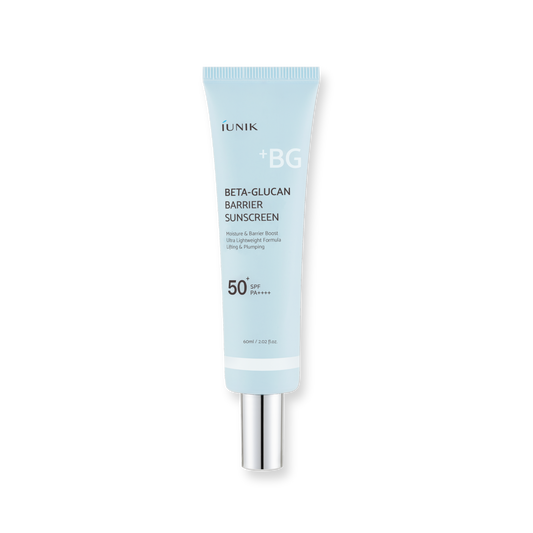
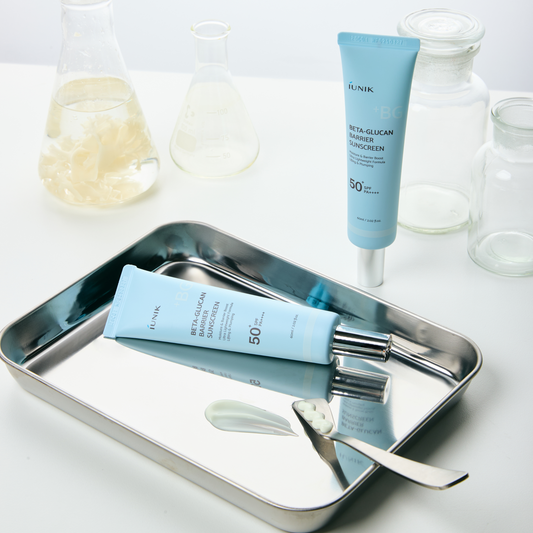
Beta Glucan Barrier Sunscreen
Firming sun defense SPF
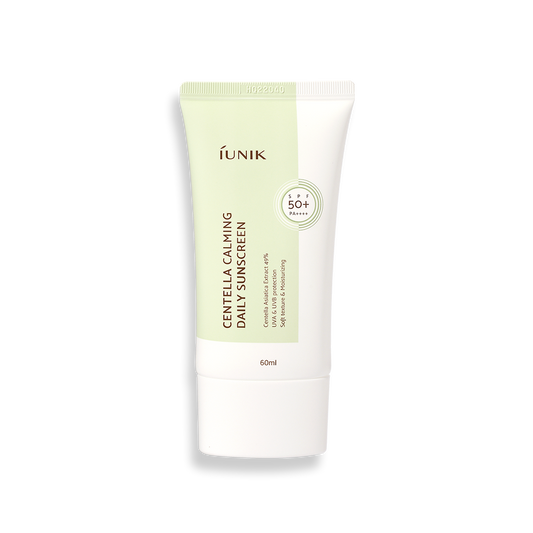
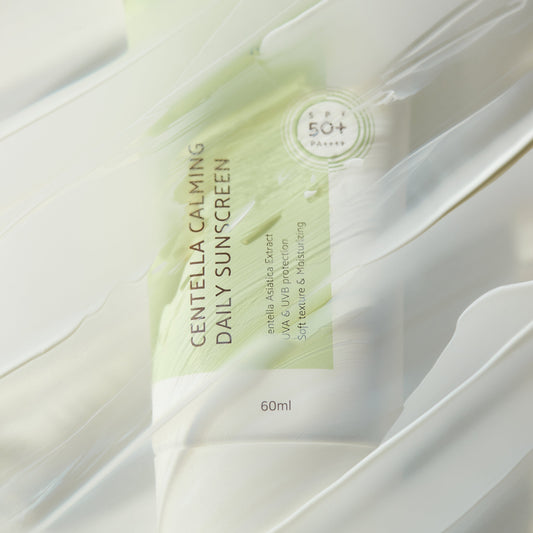
Centella Calming Daily Sunscreen
Calming sun care SPF
Build your own SPF bundle
Choose the sunscreen that fits your skin, then add the supporting products that make it work harder. 2 items, 10% off. 3 items, 15%. 4 or more, 20%.
You Don't Have to Pick Just One
Here's the part the chemical-versus-physical framing misses entirely: your skin isn't one fixed thing, and neither is your week.
The skin that wants the lightweight Sun Water in humid August isn't the same skin that wants the Beta Glucan Barrier Sunscreen in dry January. The reactive phase after a course of actives might call for the Centella cream, while a normal week is happy with the water texture. Different seasons, different skin states, different days genuinely call for different finishes — and there's no rule that says you commit to one sunscreen forever.
Building an SPF set that covers more than one of those situations is the more honest approach to suncare than picking a single "best" sunscreen and pretending your skin never changes. A lightweight one for hot days and makeup days, a more supportive one for dry spells or sensitive phases. That's not indulgence — it's matching the product to the day.