

Glass Skin vs. Glazed Donut Skin
If you've typed either of these terms into a search bar, you already know the look: luminous, impossibly dewy skin that seems lit from somewhere underneath. But glass skin and glazed donut skin aren't the same thing and confusing the two will send you chasing the wrong routine.
Here's what each trend actually means, which ingredients make it happen, and how to build a routine around whichever look is right for you.

What Is Glass Skin?
Glass skin is a K-beauty concept — and like most K-beauty ideals, it describes a skin condition, not a finish. The goal is skin so smooth, evenly toned, and deeply hydrated that it looks translucent and reflective, like a pane of glass. No visible pores. No texture. Just clear, luminous skin that appears lit from within.
Achieving glass skin is a long game. It requires a healthy, intact skin barrier, consistently high hydration across multiple skin layers, and a surface clear enough to actually reflect light. That last part is why glass skin looks the way it does — light bouncing off perfectly smooth, even skin rather than scattering across texture and unevenness.

What Is Glazed Donut Skin?
Glazed donut skin is softer, warmer, and more forgiving. The aesthetic — popularised in 2022 — is exactly what it sounds like: skin that looks like it's been dipped in glaze. Dewy, plump, visibly moisturised, with a soft-lit sheen that reads as nourished rather than flawless.
Unlike glass skin, you don't need poreless or perfectly even skin to achieve the glazed donut look. You need skin that's genuinely well-hydrated and healthy enough that it holds onto moisture visibly. It's more achievable in the short term — though, like every skin goal, it looks its best when built on an actually healthy foundation.
Glass Skin vs. Glazed Donut Skin: The Key Difference
Glass skin = reflective clarity. High-definition, poreless, luminous from within. Built over time through sustained hydration layering and barrier care.
Glazed donut skin = surface dewiness. Plump, bouncy, soft-lit. Achievable more quickly with the right moisturiser and well-hydrated skin.
Both aesthetics share the same foundation — a healthy barrier and deep hydration — which means the ingredient overlap is significant. The difference is how far you take the routine, and which step you prioritise at the end.

The Key Ingredients for Glass Skin and Glazed Donut Skin
Beta-glucan is an effective deep hydrator, improving density, plumpness, and long-term moisture retention for both refined glass skin and lasting glazed plumpness.
Snail mucin hydrates, repairs, and renews. Its glycoproteins and allantoin smooth texture, fade marks, and restore bounce, supporting both glass skin clarity and the glazed donut glow.
Propolis nourishes deeply, supports the barrier, and reduces inflammation. It tackles the dullness of glass skin and adds warmth and depth to a glazed finish.
Centella asiatica is essential for a healthy barrier, preventing dehydration, sensitivity, and uneven texture. It's a prerequisite for achieving either aesthetic.
How to Get Glass Skin
Glass skin is built on the K-beauty layering principle: multiple thin, hydrating layers rather than one heavy product. Each layer adds moisture depth, and over time the cumulative effect is what creates that smooth, high-definition finish.
Cleanse
Cleanser without stripping.
A double cleanse with an oil cleanser followed by a gentle foam preserves the barrier from step one.
Layer hydration
Starting with a light essence, patted in thin applications to build moisture depth below the surface.
use a targeted serum
To address whatever stands between your skin and glass skin — congestion, dullness, texture, or barrier damage.
lightly moisturize
Seal with a lightweight moisturiser that locks everything in without heaviness or occlusion that disrupts the clear finish.
SPF every morning
UV damage is the primary driver of uneven tone and texture, which directly undermine the glass skin effect.
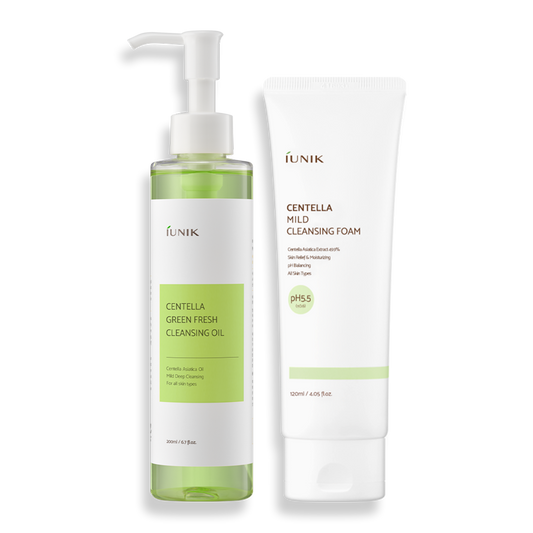
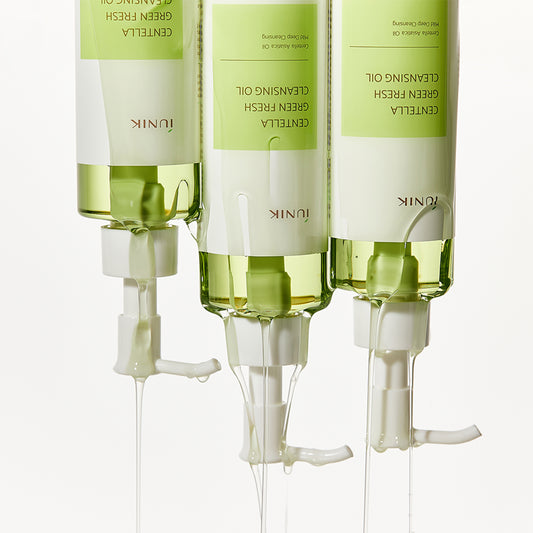
Centella Double Cleansing Duo
Soothing pore cleanse


Beta-Glucan Lacto Barrier Milk Essence
Barrier-firming milk essence
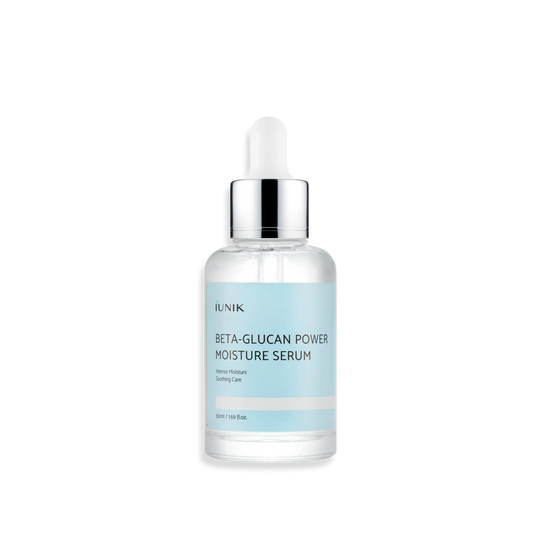

Beta Glucan Power Moisture Serum
Lightweight daily moisture serum
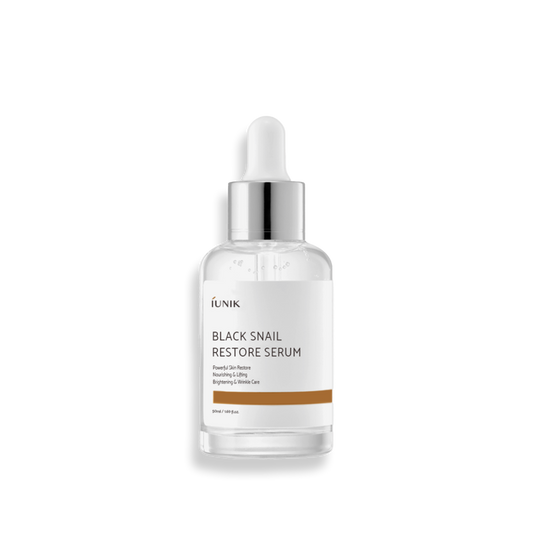
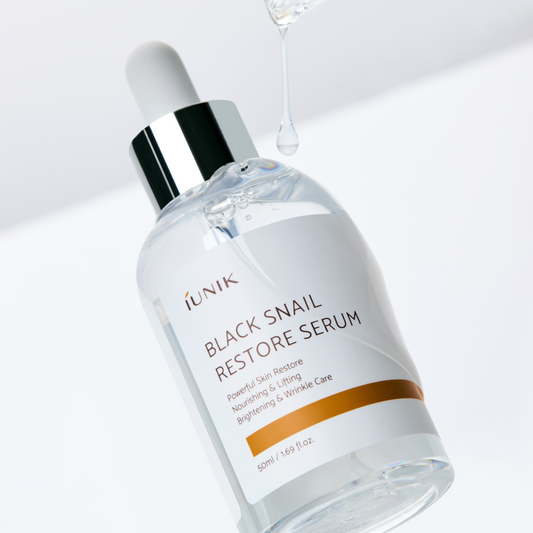
Black Snail Restore Serum
Youthful skin booster serum
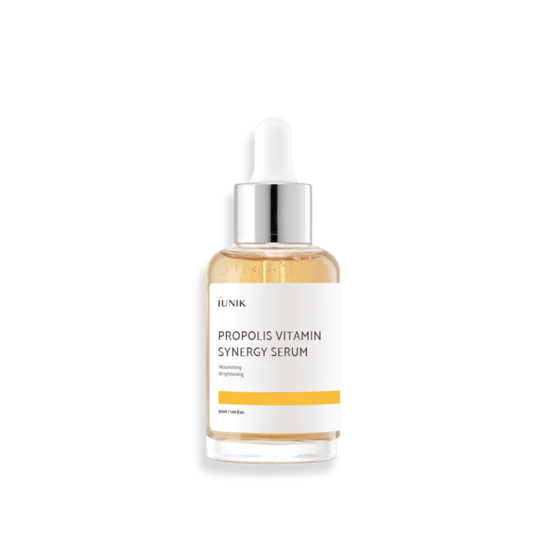
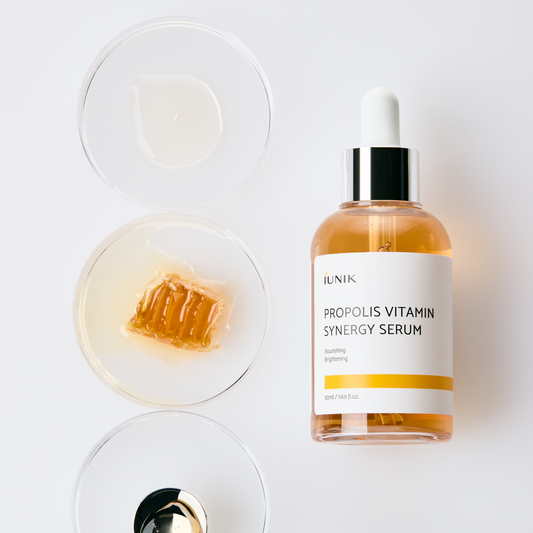
Propolis Vitamin Synergy Serum
Radiance + nutrition serum
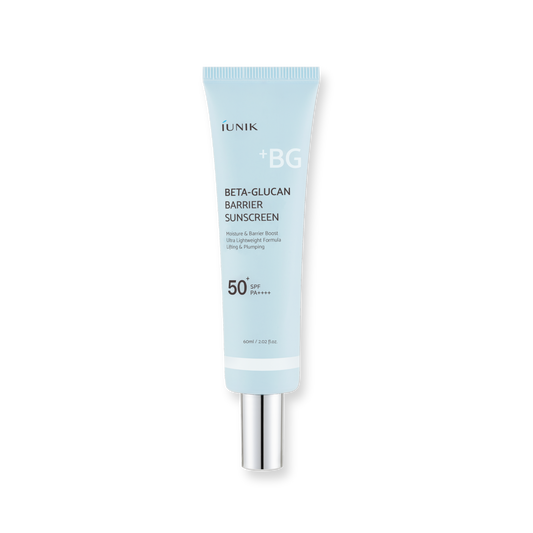
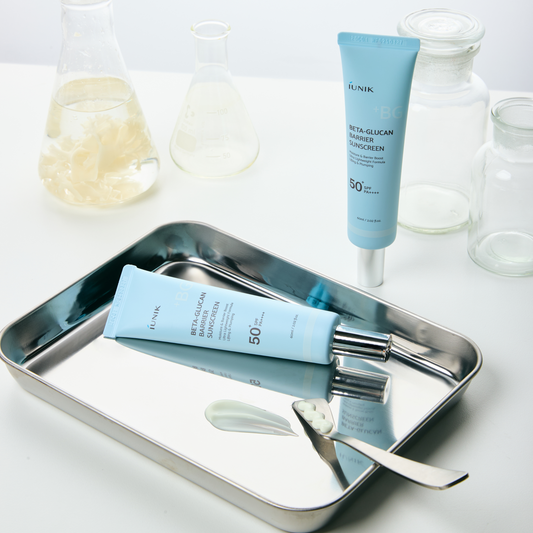
Beta Glucan Barrier Sunscreen
Firming sun defense SPF
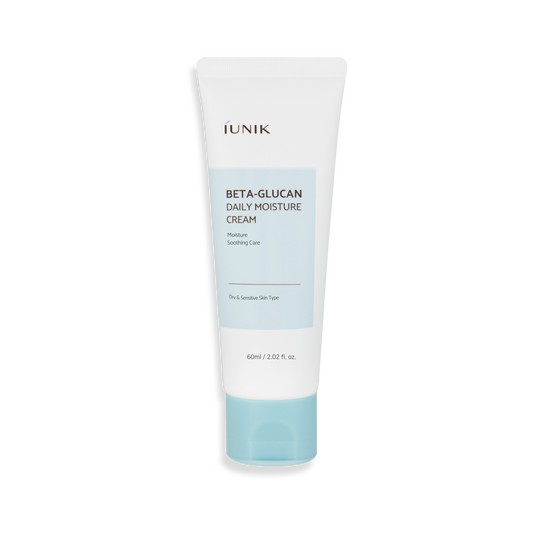
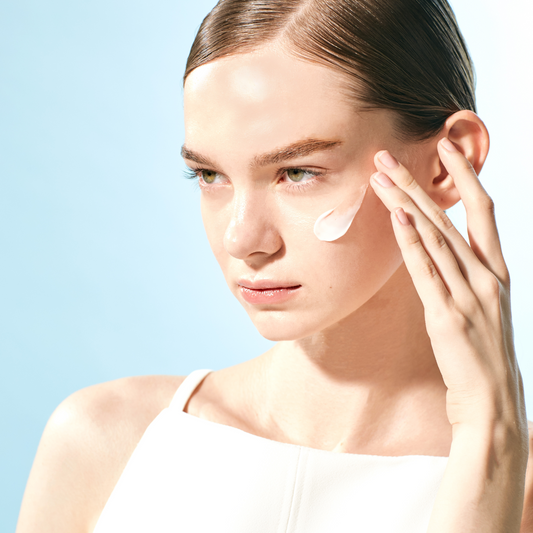
Beta Glucan Daily Moisture Cream
Lightweight daily hydration cream
How to Get Glazed Donut Skin
The glazed donut routine prioritises surface plumpness and a visibly dewy finish. Where glass skin calls for lightweight layering, glazed donut skin leans into richer textures and more emollient finishes — the slight occlusion is what creates the characteristic sheen.
Cleanse gently
To preserve the natural surface oils that contribute to the glazed finish. Less stripping means more of the skin's own dewiness comes through.
Hydrate
With a plumping essence or serum to build bounce from within before the moisturiser step.
moisturize
Finish with a richer moisturiser — the softly occlusive finish of a slightly heavier cream is what creates the glazed quality. Slugging overnight accelerates the effect.
SPF every morning
Choose a dewy-finish SPF in the morning — a matte formula will work directly against the aesthetic.
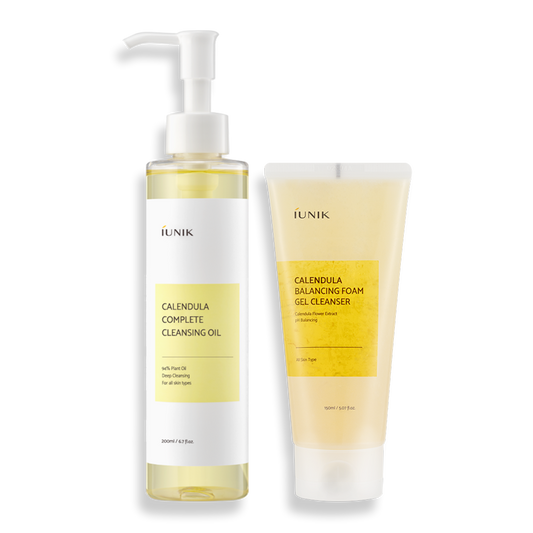
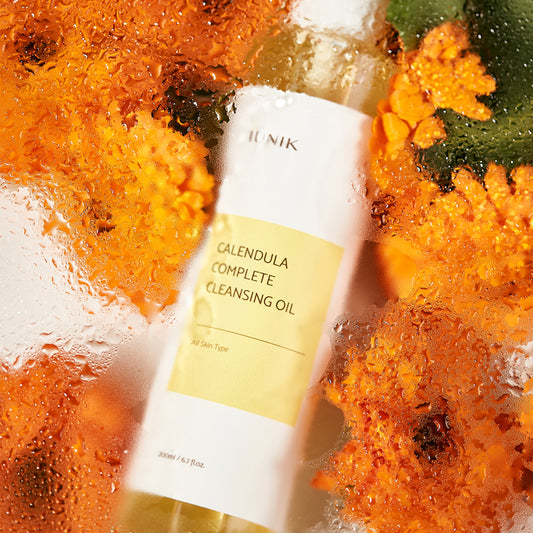
Calendula Double Cleansing Duo
Gentle deep cleansing
Centella Double Cleansing Duo
Soothing pore cleanse
Beta-Glucan Lacto Barrier Milk Essence
Barrier-firming milk essence
Black Snail Restore Serum
Youthful skin booster serum

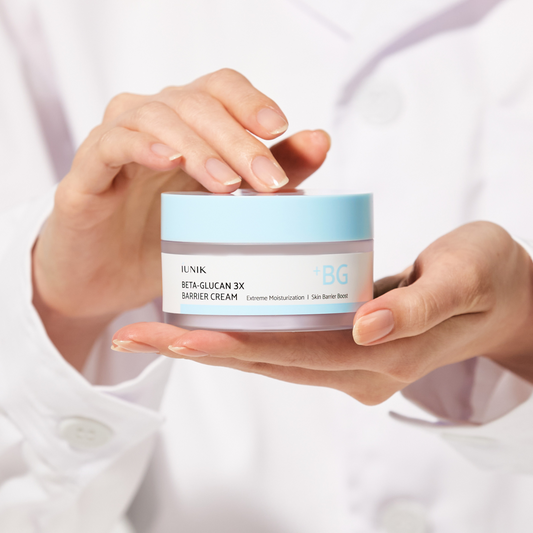
Beta Glucan 3X Barrier Cream
Triple barrier repair cream
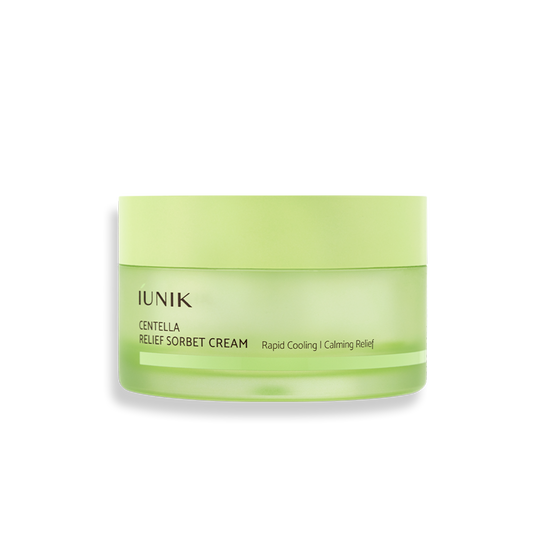
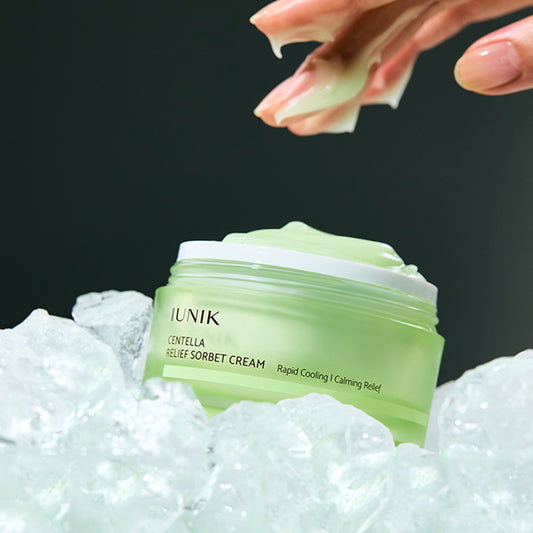
Centella Relief Sorbet Cream
Fresh soothing relief cream
Which Should You Go For?
If you want skin that looks flawless up close — refined, clear, high-definition — glass skin is the goal. Build a consistent K-beauty layering routine and give it time. It's worth it.
If you want skin that looks visibly healthy, dewy, and nourished — and you want it faster — glazed donut skin is more forgiving and more immediately achievable. You don't need perfect skin to pull it off, just well-hydrated skin that looks genuinely cared for.
Either way, both looks start in the same place: a strong barrier and deep, sustained hydration. Get those right, and the aesthetic you're after will follow.