

Sweat, Sunscreen, Repeat: How to Actually Reapply SPF When You're Out All Day
Morning sunscreen is the easy bit. You're in your bathroom, you've got time, you can apply two full finger-lengths in front of a mirror. Reapplication is where the whole sunscreen plan tends to fall apart.
Most reapplication advice is either useless or unrealistic. Just reapply every two hours! Fine — but how, exactly, when you're at a beach, in a meeting, on a hike, picking your kids up from school? Carry a brush and a powder and a stick and a mist! Sure, if you've got a handbag the size of a tote and the patience of a saint.
The honest version is harder and more useful. Here's what reapplication actually looks like for the situations most people are in, when each method works (and when it doesn't), and how to think about it when the day doesn't go to plan.

Why Reapplication Matters More Than Most People Realise
Sunscreen breaks down through the day. Sweat, friction, the film simply degrading under sun exposure — all of it reduces the protection you applied in the morning. By two hours of active sun exposure, you've lost a meaningful portion of the SPF on the label. By four, the protection has dropped to a fraction of what you started with.
The official guidance from organisations like the American Academy of Dermatology is to reapply every two hours during sun exposure, and immediately after swimming, sweating heavily, or towel-drying. That's the medical standard.
The realistic version most people can actually follow: if you're outside for more than an hour during peak UV, reapply. If you're indoors most of the day, morning application is usually enough. That single distinction — outdoor day vs indoor day — is what separates a workable reapplication habit from an aspirational one.
The Reapplication Formats, Honestly
Four ways to reapply, each with genuine strengths and genuine downsides. There's no perfect format — only the right format for the situation.

Liquid or cream sunscreen
Strengths: Same protection profile as your morning application. Easy to apply at full dose if you're not wearing makeup. The most reliable way to actually get the SPF on the label.
Downsides: Disturbs makeup. Requires clean hands. Hard to apply discreetly in public settings. Slow, especially in heat where it can feel greasy or take time to absorb.
Best for: Days you're not wearing makeup, beach days where you're already in swimwear and used to applying product, anyone doing outdoor work where you can take a proper break to redo the SPF.
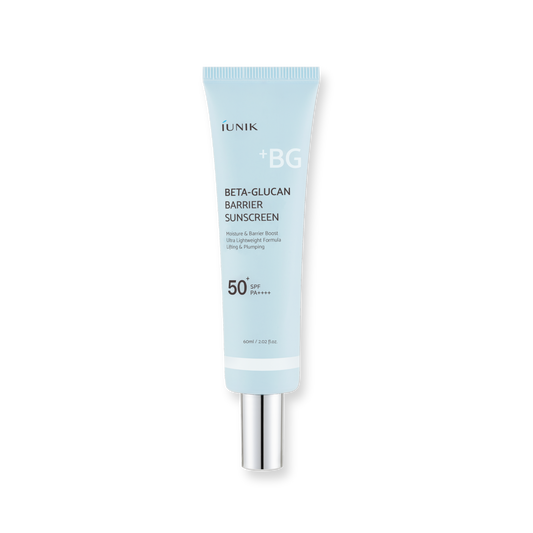
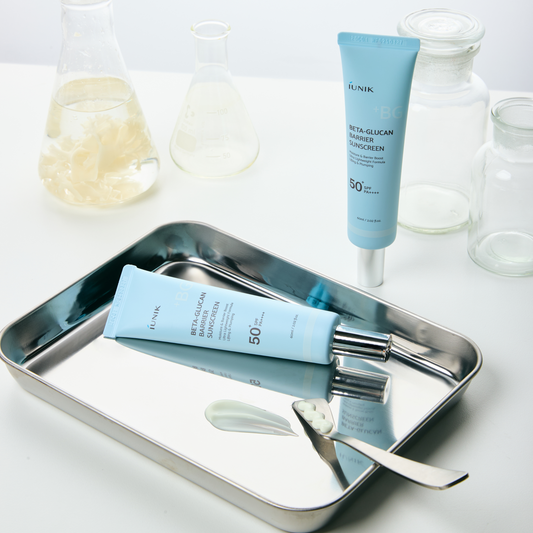
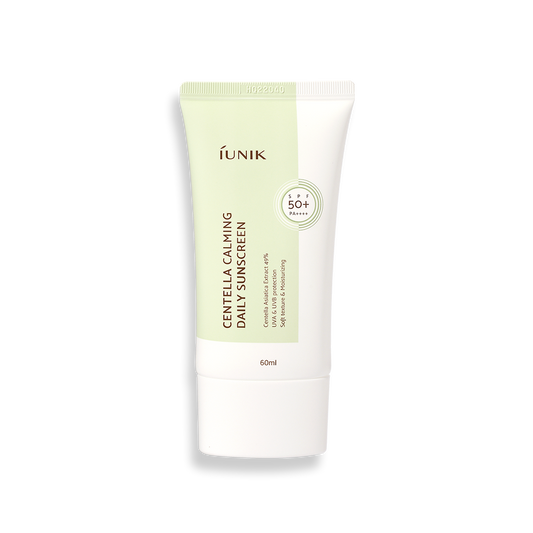
Honest note on IUNIK: The Centella Calming Daily Sun Water is the most reapplication-friendly of the three IUNIK sunscreens, because the water-texture absorbs quickly enough that you can press it (not rub) into makeup in small amounts without significant disruption. The Centella Calming Daily Sunscreen and Beta Glucan Barrier Sunscreen are both cream-textures, which makes them harder to reapply cleanly over a finished face — they're better as the morning anchor than the midday touch-up.

Stick sunscreen
Strengths: Application without disturbing makeup. Easy to carry. Targeted — you can apply directly to specific areas (cheekbones, nose, ears, hairline) without overdoing it everywhere. Discreet.
Downsides: Hard to apply enough to actually meet the SPF on the label — most people severely under-apply with sticks. Better as a top-up than a full reapplication.
Best for: Office days where you take an outdoor lunch, school runs at noon, anyone in business clothes who needs to reapply without making a scene.

Sunscreen mist or spray
Strengths: Fast. Hands-free. Can be applied over makeup without touching the face.
Downsides: Notoriously hard to apply at full dose — most mist applications deliver a fraction of the SPF on the label. Wind makes them unusable outdoors. Inhalation is a real consideration, particularly with mineral filter formulations.
Best for: A quick supplementary touch-up between proper applications. Less useful as a sole reapplication method.

Powder sunscreen
Strengths: Doesn't disturb makeup at all. Often combined with mattifying ingredients, which can be useful for oily summer skin. Fits easily in a handbag.
Downsides: The most controversial format among dermatologists. Powder SPFs at the dose most people apply deliver very limited protection — they're best thought of as a small bonus on top of a proper morning sunscreen, not a real reapplication.
Best for: Touch-ups during the day, particularly for makeup wearers who need to powder anyway. Not adequate as a sole reapplication method.
The Honest Hierarchy
Stack these in order of how reliably they actually protect you:
Liquid or cream reapplication
Same product, full dose, on makeup-free skin or applied carefully over makeup
Stick sunscreen
At a generous dose — multiple swipes across each area, not one quick pass
Mist or spray
As a supplement
Powder
As a top-up only
Most people who reapply effectively use a combination — the liquid SPF in the morning, a stick for the midday top-up, maybe a powder for the bonus protection over makeup. None of these alone is perfect; together they cover most situations.
How to Reapply by Scenario
The honest version of reapplication advice depends on what you're actually doing that day.
The Office Day with an Outdoor Lunch
The most common scenario, and the easiest to plan for. You applied SPF in the morning before makeup. You're indoors most of the day, but you'll spend 30–60 minutes outside at lunch.
The approach: Apply a generous layer of Sun Water before leaving the office (or before heading out for the walk). The water-texture pressed into makeup absorbs without significant disruption. When you get back to your desk, blot any shine with a tissue and you're good for the rest of the day.
Why this works: The reapplication happens right before the outdoor exposure, not arbitrarily at "two hours." You're protecting yourself at the moment that matters.
The Beach Day (or Pool Day, or Long Outdoor Day)
You're outside in strong sun for hours, you're likely sweating, you may be in and out of water.
The approach: Reapply every 80 to 90 minutes minimum, immediately after swimming or significant sweating. Use a full dose each time — the same two finger-lengths you applied that morning, not a quick swipe.
The reality: This is the situation where there's no shortcut. You have to interrupt the day to reapply properly. Set a phone alarm if you need to. Pack the sunscreen in the easiest place to reach. Don't rely on a powder or a mist as your sole protection on a beach day.
Format recommendation: The Sun Water is the easiest to reapply at full dose because the texture is light enough that you'll actually do it without resenting it. The Beta Glucan Barrier Sunscreen and Centella Calming Daily Sunscreen are richer textures that can pull in heat and feel less wearable for repeated all-day reapplication — they're better as the morning anchor for less intense outdoor days.
The Active Outdoor Day (hiking, sports, gardening)
You're sweating, moving, generating friction on the skin. Standard reapplication intervals aren't enough.
The approach: Reapply at the start, then every 60 to 80 minutes, then immediately after any significant sweat-and-towel-dry. A stick formula in your bag is useful here — it's the easiest to apply to the back of the neck, ears, and any area where sweat is wiping off the sunscreen fastest.
The reality: Active outdoor days are the situation where sticks and waterproof formulations earn their place. If your activity involves real sweating, a regular liquid SPF will require more frequent reapplication than you'd want.
The School Run, the Errand Day, the In-and-Out Day
Short outdoor exposures, multiple times across the day, with significant indoor time in between.
The approach: Morning SPF is usually enough if you're indoors most of the day. If you know you'll be outside more than 30 minutes at any single point — particularly between 10am and 4pm — apply a top-up before heading out.
Format recommendation: A stick in the car or bag works well here. The Sun Water in a small bottle for when you're at home and can take a proper minute.
The Day That Doesn't Go to Plan
This is the most honest scenario, and the one most reapplication advice ignores. The day you didn't expect to be outside as much as you ended up being. The unexpected outdoor coffee. The walk that turned into an hour. The errand that took longer than planned.
The approach: Don't catastrophise. Missing reapplication on a single unplanned-outdoor day isn't going to undo your routine. Apply what you can, when you can — even an imperfect mid-afternoon application is better than nothing. Then make sure that evening's cleanse is thorough (a proper double cleanse) and move on.
The reality: Perfect reapplication, every two hours, on every outdoor day, for life, is not a realistic standard. What matters is the cumulative pattern — applying every morning, reapplying when you remember and when it matters most, not letting one missed top-up derail the habit. The people whose skin is protected long-term aren't the ones who reapply flawlessly. They're the ones who keep showing up.
The Removal Step Most People Skip
One last piece of the reapplication picture, because it's the part that matters more than the reapplication itself for some skin types.
Whatever sunscreen you applied, reapplied, and topped up across the day — at the end of it, it all has to come off. Properly. A single splash of water and a quick cleanse doesn't remove SPF, especially the water-resistant, long-wear formulations designed to stay put through sweat.
A proper double cleanse — oil-based or balm cleanser first, then a gentle water-based cleanser — is the only way to actually remove the layered sunscreen, sebum, sweat, and surface buildup that's accumulated. Without it, the residue causes the congestion, dullness, and barrier stress that gets blamed on the sunscreen itself rather than the incomplete removal.
The Centella Green Fresh Cleansing Oil followed by the Centella Mild Cleansing Foam handles this end of the routine — the same Centella-based gentleness as the morning Sun Water, in formats designed to clear what the day deposited without disrupting the barrier.
What This Actually Looks Like Long-Term
Reapplication is the part of sunscreen that most people optimise least and benefit from most. The single behaviour change that improves a routine more than any product upgrade is reapplying when it matters — outdoor day, peak UV, more than an hour of exposure.
What that looks like in practice:
Sun Water in the morning, at full dose, as the foundation
A second container of Sun Water or a sunscreen stick in your bag, ready for when you'll be outside
A realistic mental rule — outdoor over an hour at peak UV, reapply — instead of an aspirational two-hour timer
A proper evening cleanse to take it all off, every night
That's the routine. Not the perfect protection of a dermatologist's recommendation — the practical protection of someone who's going to keep doing this for years rather than burning out in week three.


Centella Calming Daily Sun Water
Sun-calming water shield.
Beta Glucan Barrier Sunscreen
Firming sun defense SPF
Centella Calming Daily Sunscreen
Calming sun care SPF
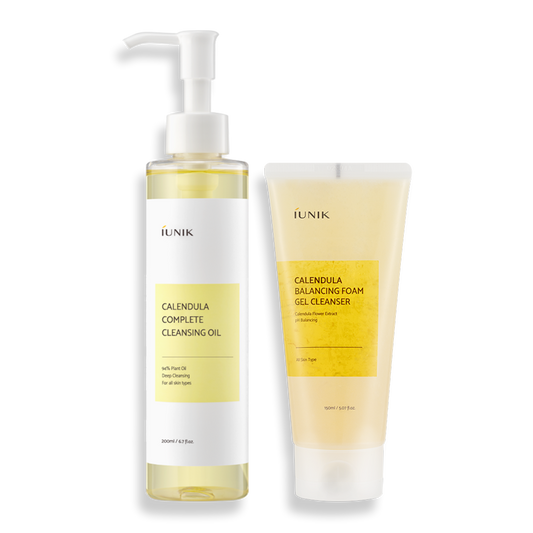
Calendula Double Cleansing Duo
Gentle deep cleansing
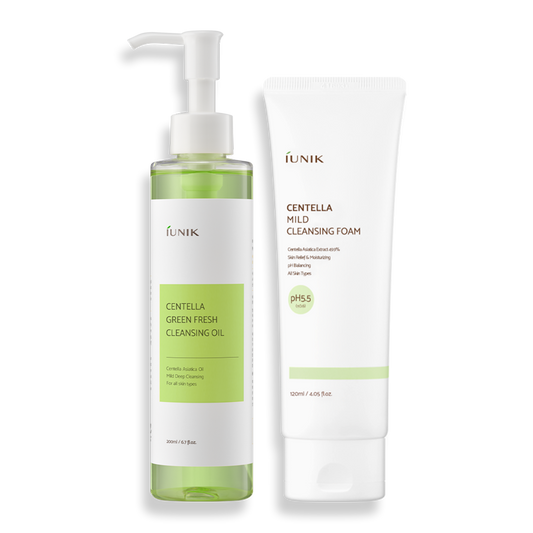
Centella Double Cleansing Duo
Soothing pore cleanse
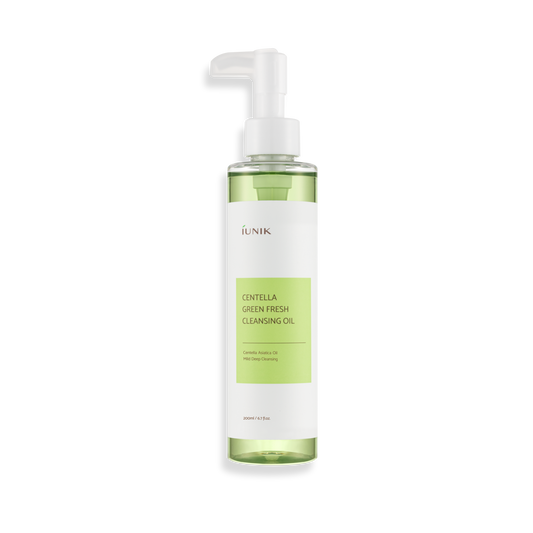
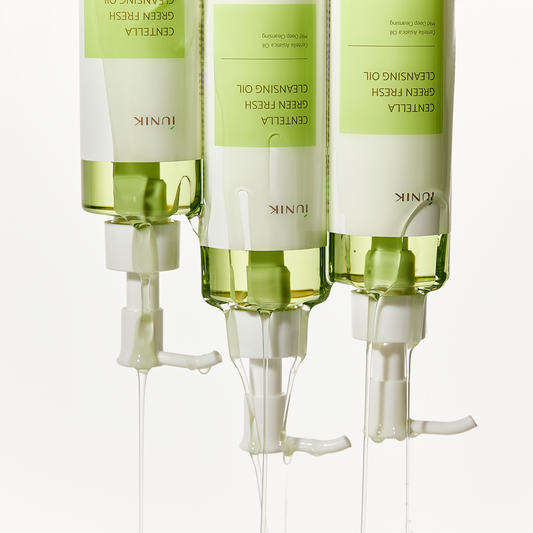
Centella Green Fresh Cleansing Oil
Fresh, plant-powered cleansing oil
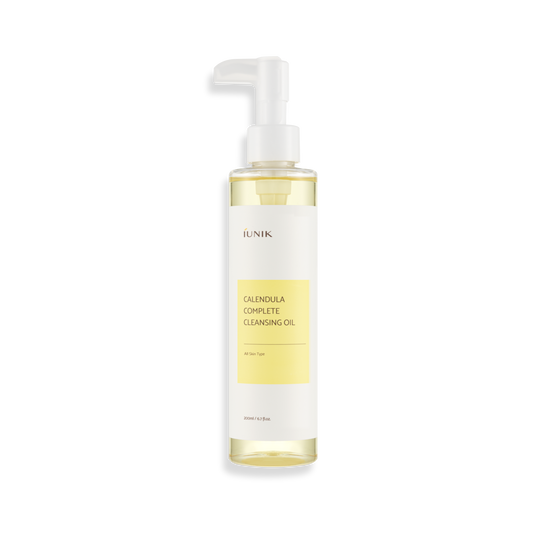
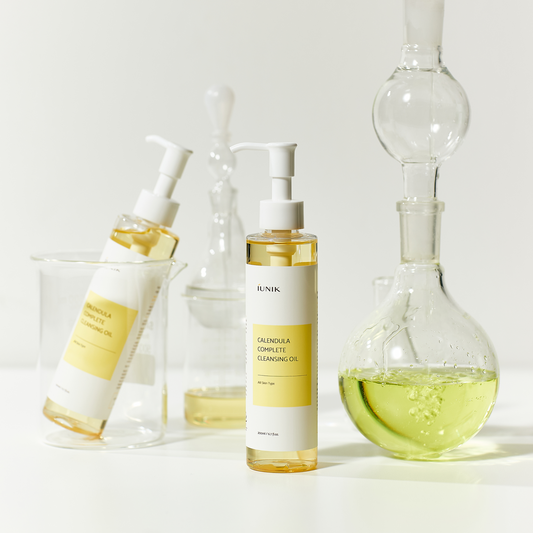
Calendula Complete Cleansing Oil
Sensitive skin cleansing oil
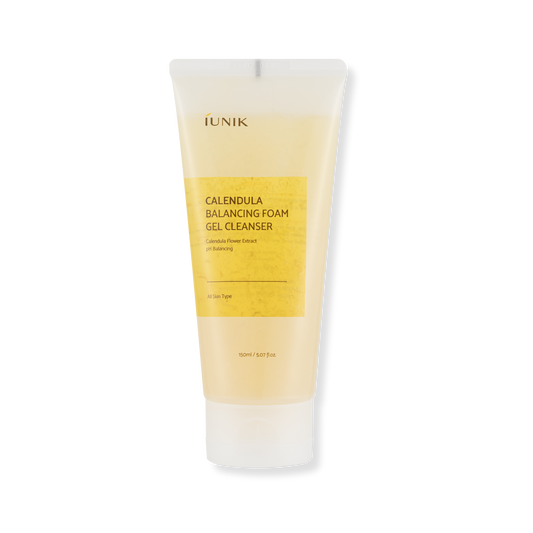
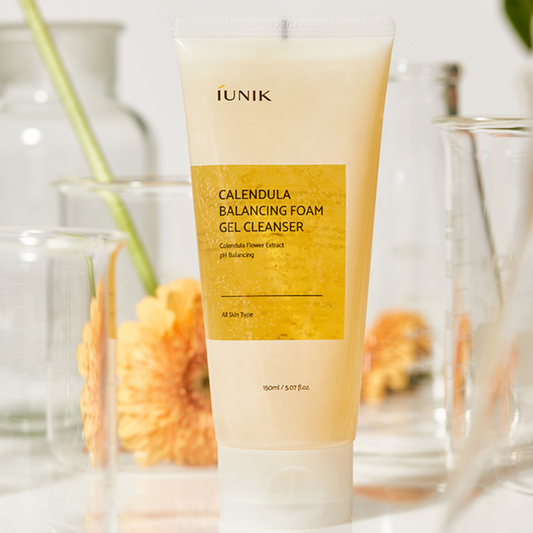
Calendula Balancing Foam Gel Cleanser
Balancing daily cleanse gel
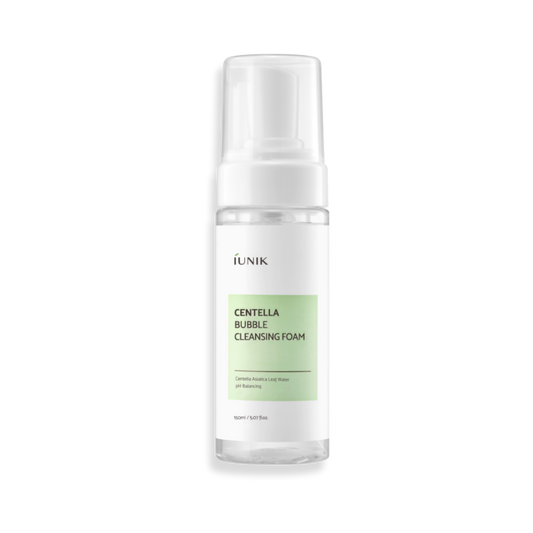
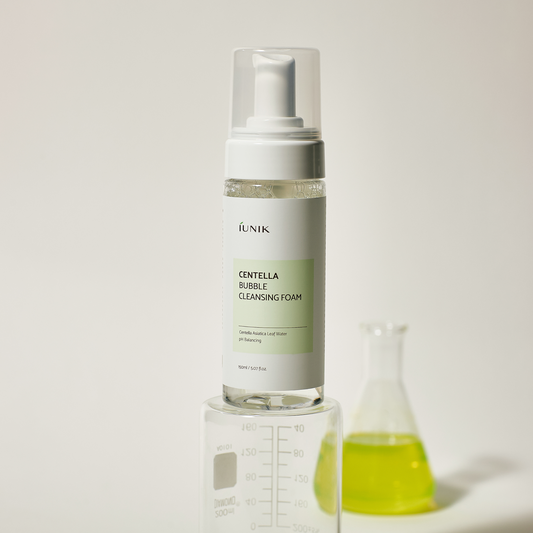
Centella Bubble Cleansing Foam
Gentle bubble wash cleanser
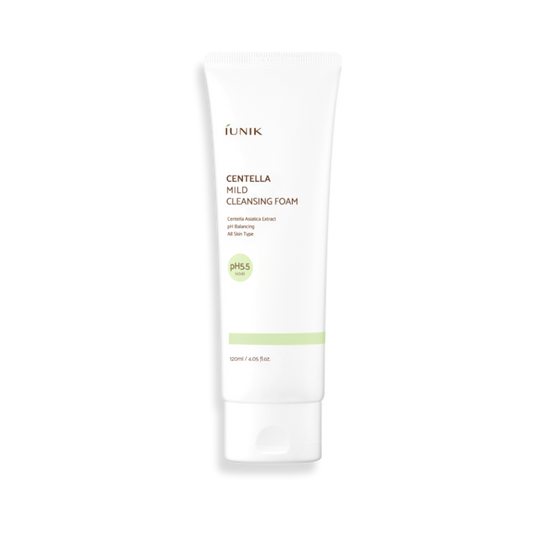
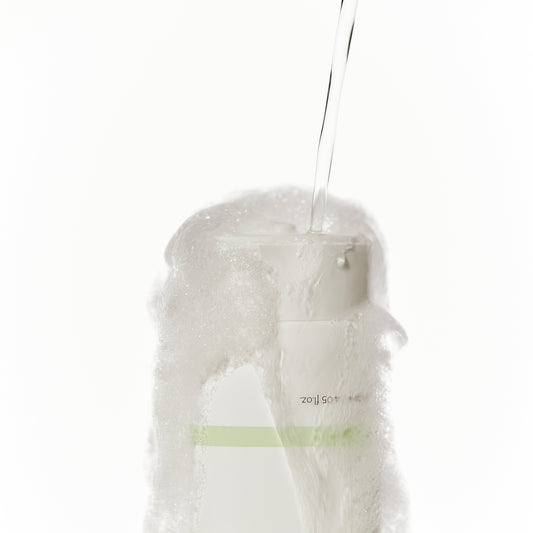
Centella Mild Cleansing Foam
Gentle pore care cleansing foam