


How to Build a Serum Routine That Actually Works
There's a particular kind of stuck that happens after you've bought a few serums. Your skin is fine. Not bad, not noticeably better than it was six months ago. And if someone asked you which product was responsible for which part of that, you couldn't say.
That's usually a structure problem rather than a product problem. Here's how to think about the whole serum range as a routine instead of a collection.
How to Build a Serum Routine That Actually Works
There's a particular kind of stuck that happens after you've bought a few serums. Your skin is fine. Not bad, not noticeably better than it was six months ago. And if someone asked you which product was responsible for which part of that, you couldn't say.
That's usually a structure problem rather than a product problem. Here's how to think about the whole serum range as a routine instead of a collection.

Most Routines Only Have Room for Two
Three or more serums layered together runs into the same three problems every time.
Skin can only take up so much in one sitting, so the third layer is mostly sitting on top of the second. Textures start to conflict and things pill. And most importantly, you lose the ability to tell what's working — which means when something finally does help, you don't know what to keep.
Two is the number that works for most people. One doing the correcting, one making the correcting land better.
Every Serum Plays One of Three Roles
Once you sort the range by role rather than by ingredient, choosing gets much simpler.
The serum that addresses the thing you'd name if someone asked what bothers you about your skin. You have one of these. It's the anchor, and it's the one you judge the routine by.
Hydration and barrier work. It doesn't correct anything on its own, and it makes the treatment more comfortable, more effective, and more visible. Skipping this is why a lot of good treatments underperform.
Something that comes in and out — seasonally, or for a specific stretch. Not a permanent fixture, and not something to run at the same time as a second treatment.
Most Routines Only Have Room for Two
Three or more serums layered together runs into the same three problems every time.
Skin can only take up so much in one sitting, so the third layer is mostly sitting on top of the second. Textures start to conflict and things pill. And most importantly, you lose the ability to tell what's working — which means when something finally does help, you don't know what to keep.
Two is the number that works for most people. One doing the correcting, one making the correcting land better.
Every Serum Plays One of Three Roles
Once you sort the range by role rather than by ingredient, choosing gets much simpler.
The serum that addresses the thing you'd name if someone asked what bothers you about your skin. You have one of these. It's the anchor, and it's the one you judge the routine by.
Hydration and barrier work. It doesn't correct anything on its own, and it makes the treatment more comfortable, more effective, and more visible. Skipping this is why a lot of good treatments underperform.
Something that comes in and out — seasonally, or for a specific stretch. Not a permanent fixture, and not something to run at the same time as a second treatment.
Casting the IUNIK Range
Casting the IUNIK Range

As Treatments
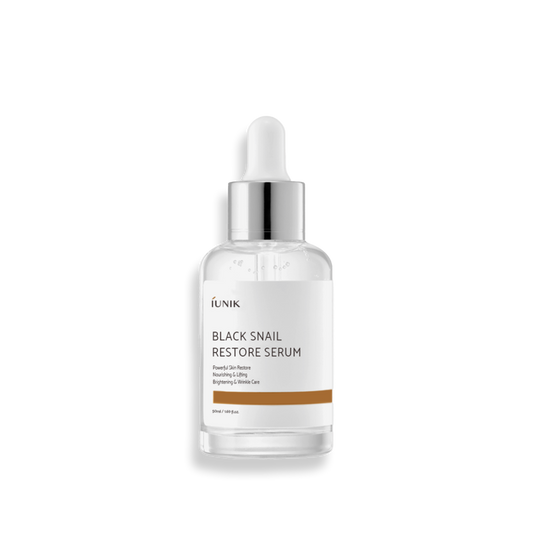
the three UNIQUE LAB serums cover the main concerns — Azelaic Acid Lacto PDRN for redness and congestion, TXA Niacinamide Narcissus PDRN for tone and dark spots, Volufiline Grape PDRN for firmness and density. The Tea Tree Relief Serum is the lighter-weight option if congestion is the whole story and redness isn't. The Black Snail Restore Serum sits in repair-and-firming territory.

As support
the Beta Glucan Power Moisture Serum. Pure hydration, no competing actives, which is exactly what a support layer should be. It's the least interesting serum to talk about and the one that most often makes the difference.

As swaps
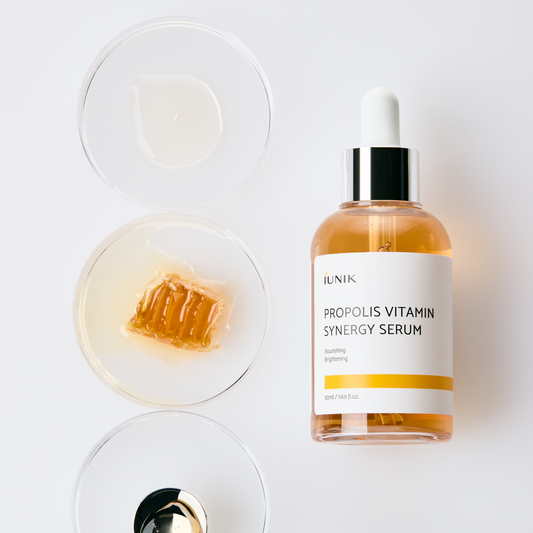
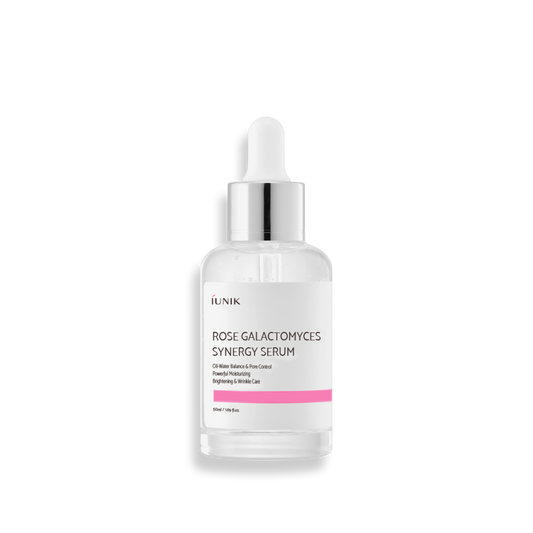
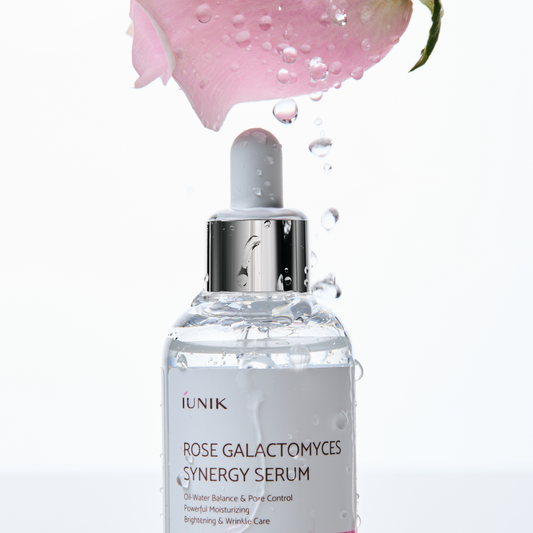
the Propolis Vitamin Synergy Serum — sea buckthorn vitamin C, a morning antioxidant, most useful through high-UV months. And the Rose Galactomyces Synergy Serum, for stretches when your skin looks rough and flat rather than uneven in tone.
As Treatments
he three UNIQUE LAB serums cover the main concerns — Azelaic Acid Lacto PDRN for redness and congestion, TXA Niacinamide Narcissus PDRN for tone and dark spots, Volufiline Grape PDRN for firmness and density. The Tea Tree Relief Serum is the lighter-weight option if congestion is the whole story and redness isn't. The Black Snail Restore Serum sits in repair-and-firming territory.
As Support
the Beta Glucan Power Moisture Serum. Pure hydration, no competing actives, which is exactly what a support layer should be. It's the least interesting serum to talk about and the one that most often makes the difference.
As Swaps
the Propolis Vitamin Synergy Serum — sea buckthorn vitamin C, a morning antioxidant, most useful through high-UV months. And the Rose Galactomyces Synergy Serum, for stretches when your skin looks rough and flat rather than uneven in tone.
Putting It Together
Start with the treatment, chosen for the concern you'd name first. Everything else is built around it.
Add the support underneath. Hydration goes on before treatment, which lets the active work on plump skin rather than tight skin.
Then decide whether a swap earns a slot, and be honest about it. If you already have a treatment and a support you're happy with, a third serum is usually spending without gaining.
A worked example. If dark spots are your concern: Beta Glucan Power Moisture Serum, then the TXA Niacinamide Narcissus PDRN Serum on top, in the evening. In the morning, sunscreen doing the protective half of the job. That's a complete routine, and if it stops working you know exactly which of the two to change.
Putting It Together
Start with the treatment, chosen for the concern you'd name first. Everything else is built around it.
Add the support underneath. Hydration goes on before treatment, which lets the active work on plump skin rather than tight skin.
Then decide whether a swap earns a slot, and be honest about it. If you already have a treatment and a support you're happy with, a third serum is usually spending without gaining.
A worked example. If dark spots are your concern: Beta Glucan Power Moisture Serum, then the TXA Niacinamide Narcissus PDRN Serum on top, in the evening. In the morning, sunscreen doing the protective half of the job. That's a complete routine, and if it stops working you know exactly which of the two to change.
Can You Run Two Treatments?
Sometimes, with conditions.
They have to work through genuinely different mechanisms, and they're best split across the day rather than layered — one in the morning, one in the evening. The Propolis serum in the morning and a PDRN serum at night is the cleanest version of this.
What doesn't work is two serums aimed at the same concern, layered in the same routine. You get the irritation risk of both and no way of knowing which one is earning its place.
If your skin is currently reactive, one treatment is the right number regardless.
When to Change Something
Give any new treatment eight to twelve weeks before you judge it. Most of what these serums do is slow, and swapping at week three restarts the clock without telling you anything.
Change one thing at a time. Two changes in the same fortnight makes the result uninterpretable, which is how people end up back at a shelf of serums and no idea which one to repurchase.
The moments genuinely worth reassessing are seasonal — the shift into autumn usually calls for more support and less exfoliation, and that's worth revisiting in a few weeks' time.
When to change somtimes
Give any new treatment eight to twelve weeks before you judge it. Most of what these serums do is slow, and swapping at week three restarts the clock without telling you anything.
Change one thing at a time. Two changes in the same fortnight makes the result uninterpretable, which is how people end up back at a shelf of serums and no idea which one to repurchase.
The moments genuinely worth reassessing are seasonal — the shift into autumn usually calls for more support and less exfoliation, and that's worth revisiting in a few weeks' time.
The Takeaway
The serum corrects. The mask gives it a better night to do it in, the Propolis serum defends the ground it's gained, and the Rose serum handles the dullness that was never about pigment.
Work out which of those three your skin is actually asking for, and add that one.
Through August, pairing the TXA Niacinamide Narcissus PDRN Serum with any of these boosters is discounted.
The Takeaway
A serum routine that works tends to be smaller than people expect. One treatment chosen for the thing that actually bothers you, one support layer making it land, and the discipline to leave it alone long enough to find out whether it's working.
If you've got the treatment and not the support, that's the gap worth closing.
Through August, pairing a UNIQUE LAB serum with a booster is discounted — and it closes at the end of the month.


Azelaic Acid Lacto PDRN Serum
Calm Redness, Strengthen Barrier


TXA Niacinamide Narcissus PDRN Serum
Fade Spots, Brighten Tone


Volufiline Grape PDRN Serum
Firm, Lift, Plump Skin
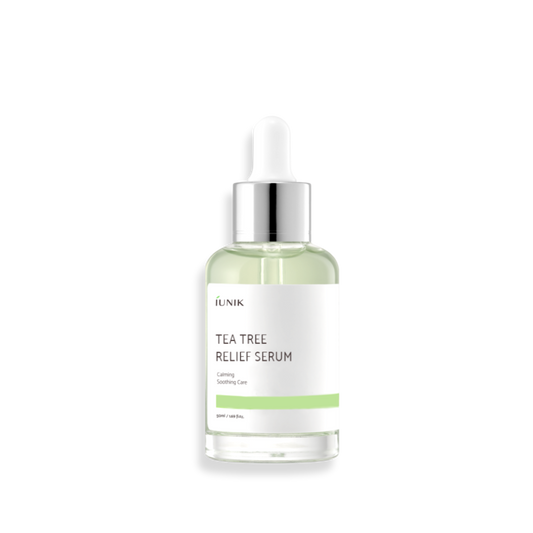
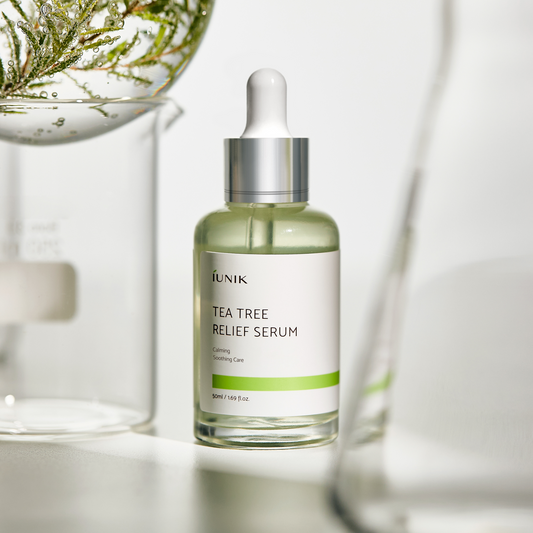
Tea Tree Relief Serum
Blemish calming care serum
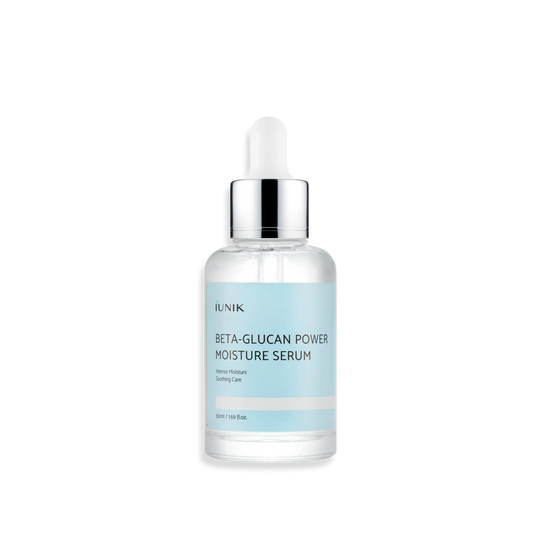

Beta Glucan Power Moisture Serum
Lightweight daily moisture serum
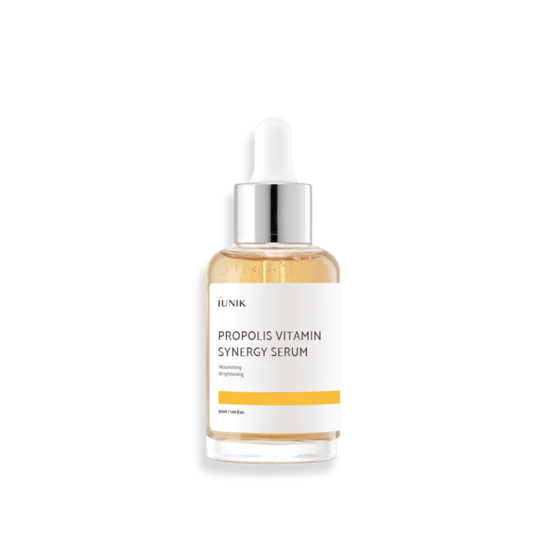
Propolis Vitamin Synergy Serum
Radiance + nutrition serum
Rose Galactomyces Synergy Serum
Radiance boosting serum
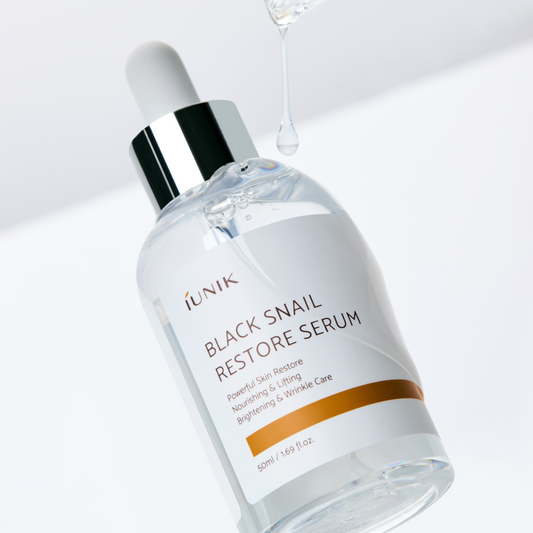
Black Snail Restore Serum
Youthful skin booster serum