

How to Layer Sunscreen Into Your Morning Routine Without the Grease
The lightweight water-texture sunscreen is having a moment, and for good reason — it's the format that solves the daily-wear problem for most people. But it isn't the right sunscreen for everyone, and "lightweight" isn't a synonym for "better." Some skin types genuinely want a more substantive sunscreen — one that adds hydration alongside the protection, that feels like it's actually there on the skin, that does double duty in the morning routine.
The trade-off, historically, has been grease. The richer the sunscreen, the more likely it is to sit heavy by mid-morning, pill against makeup, or leave that faint film that makes you wash your hands twice. That trade-off isn't inevitable. It's a layering problem with specific fixes.
Here's how to build a morning routine around a heavier, hydration-supporting sunscreen — the Beta Glucan Barrier Sunscreen specifically — and get the substance without the slip.

Why You'd Want a Heavier Sunscreen in the First Place
The case for a more substantive SPF, briefly, because it's worth being clear about what you're optimising for:
Drier skin types that don't get enough from a water-texture sunscreen. If your skin runs dehydrated or genuinely dry, the ultra-light SPFs can feel insufficient — like you've protected the skin without giving it anything to drink. A barrier-supporting sunscreen contributes moisture to the routine rather than just sitting on top of it.
Cooler or drier climates where the air itself is pulling water from skin all day. Lightweight sunscreens that are perfect for humid summers are sometimes too thin for indoor heating in winter or for arid year-round climates.
Skin in active recovery — post-procedure, post-actives, after a stretch of over-exfoliation — that genuinely benefits from the additional barrier support. Beta-glucan in particular holds water more effectively than hyaluronic acid and supports the skin's repair processes; getting it into the SPF step means the protection and the recovery work happen together.
Anyone who wants their SPF to do more than block UV. Some people prefer a sunscreen that contributes to the rest of their routine. That's a legitimate preference, not a compromise.
The Beta Glucan Barrier Sunscreen is built for these use cases — broad-spectrum UV protection with beta-glucan's hydration and firming benefits alongside it. The question is how to layer it cleanly.

The Five Things That Cause the Grease
Grease and slip aren't a sunscreen problem; they're a layering problem. Five specific causes, in roughly the order people run into them:
- A moisturiser that's too rich underneath, so the SPF is sitting on a heavy emollient layer rather than skin.
- Not enough wait time between moisturiser and sunscreen, so the two layers slip against each other.
- A facial oil anywhere in the morning routine, which prevents the SPF from binding properly.
- Over-application of multiple humectant layers — essence, hyaluronic serum, hydrating toner — that leave the skin tacky before the SPF arrives.
- The wrong order of operations between hydration and treatment serums, which leaves the skin in a sub-optimal state for the SPF to layer on.
The fix isn't a different sunscreen. It's the routine around it.
The AM Routine That Holds
Here's the morning structure that lets the Beta Glucan Barrier Sunscreen work as the substantive final layer it's designed to be, without the grease.
Step 1: Cleanse with intent
Cleanser is the most overlooked step in a non-greasy SPF routine, because the wrong cleanser leaves residue that everything else has to compete with. In the morning, you don't need a deep cleanse — you need to clear overnight sebum and reset the skin's surface.
A gentle, non-stripping cleanser is the right call. If your evening double-cleanse has done its work, a single morning cleanse is enough.
Step 2: Hydrating toner or essence — but choose one, not both
The most common over-application happens here. People layer a hydrating toner, then an essence, then a hyaluronic serum, then a moisturiser — and by the time the SPF arrives, the skin is tacky with humectants that haven't fully absorbed.
For a non-greasy SPF routine, pick one hydration layer in the morning. The Beta-Glucan Lacto Barrier Milk Essence is the right one when you're using the Beta Glucan Barrier Sunscreen — same ingredient family, same skin-support logic, no compatibility issues. Apply two layers, patting in gently, and wait a full minute for it to absorb before the next step.
If you also want to use a toner, do it before the essence and keep the essence to one layer. Don't stack.
Step 3: A treatment serum that doesn't fight the SPF
This is the slot where most morning routines either over-complicate or under-deliver. The right choice depends on what your skin is doing.
If your skin needs ongoing hydration support, the Beta-Glucan Power Moisture Serum is the natural pair with the Barrier Sunscreen — both built around beta-glucan, layering cleanly, no slip or pilling at the interface.
If your skin needs brightening or antioxidant support, the Propolis Vitamin Synergy Serum is the gentler vitamin C option that layers under any SPF without the acid-pH issues of L-ascorbic acid.
What you don't want here is an oil-based serum, a heavy emollient serum, or anything with a thick, slow-absorbing texture. Save those for evening.
Apply, pat in, wait a minute.
Step 4: Skip the daytime moisturiser — or keep it light
This is the step that surprises people, but it's the single biggest variable in whether the SPF feels greasy.
If you're using the Beta Glucan Barrier Sunscreen, you may not need a separate moisturiser. The sunscreen itself contributes hydration and barrier support, and adding a moisturiser underneath can be the layer that tips the routine into greasy territory.
The test: apply your essence and serum, wait two minutes, and check how your skin feels. If it's comfortably hydrated, skip the moisturiser and go straight to SPF. If it feels tight, add a light layer of the Beta Glucan Daily Moisture Cream — a daily moisturiser specifically designed not to sit heavy under SPF.
What to avoid here: rich winter creams, anything described as "intensive" or "rich," and any moisturiser that has a noticeable slip on application. Those are evening moisturisers.


Beta-Glucan Lacto Barrier Milk Essence
Barrier-firming milk essence
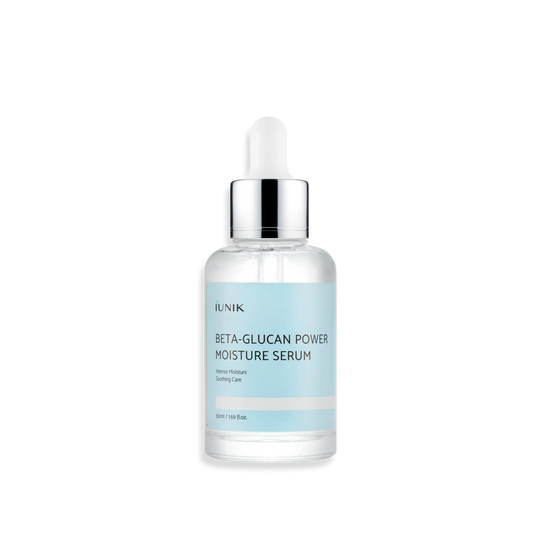

Beta Glucan Power Moisture Serum
Lightweight daily moisture serum
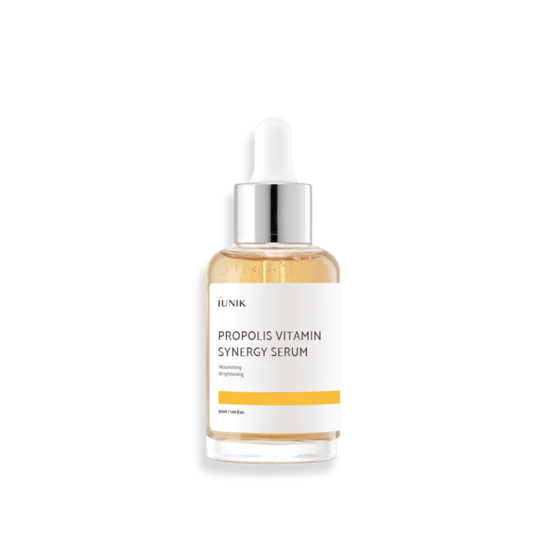
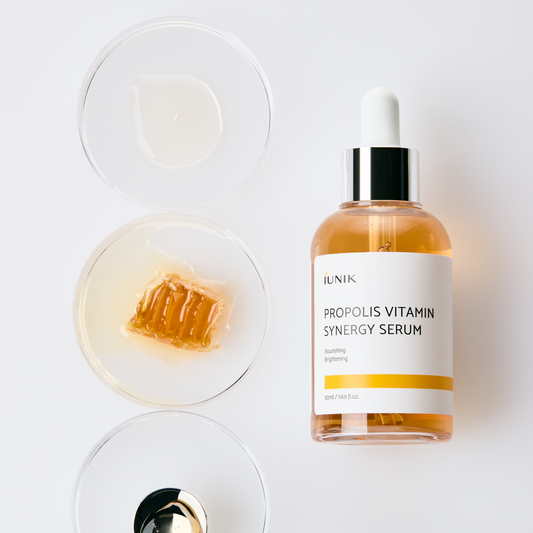
Propolis Vitamin Synergy Serum
Radiance + nutrition serum
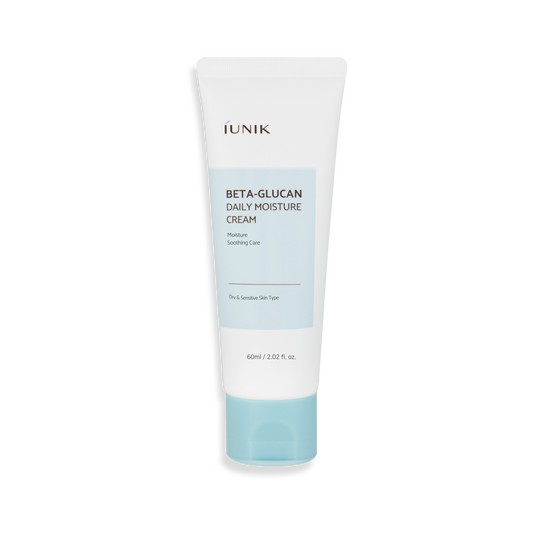
Beta Glucan Daily Moisture Cream
Lightweight daily hydration cream
Step 5: The two-minute wait
Before the SPF goes on, wait two full minutes after your last skincare step. This is the single biggest fix for grease and pilling. Two minutes is a long time when you're standing at the sink, but it's the difference between a sunscreen that binds to your skin and one that sits on top of a half-absorbed moisturiser.
Use the time. Brush your teeth, pick out your clothes, make coffee. The wait isn't dead space — it's the part of the routine that makes everything you've already done actually work.
Step 6: The sunscreen, at full dose
The Beta Glucan Barrier Sunscreen, applied at the proper amount — roughly two finger-lengths for the face and neck, or about a quarter-teaspoon for the face alone. Less than that, and the SPF on the label isn't what you're actually getting.
Apply in sections rather than trying to spread one dollop across the whole face — a small amount on the forehead, cheeks, nose, and chin, then patted and pressed into the skin rather than rubbed in. Pressing rather than rubbing is the difference between a sunscreen that sets evenly and one that drags against your previous layers.
Wait another two to three minutes before applying makeup, if you wear it.

What This Routine Looks Like in Practice
Five products, six minutes, no grease:
- Gentle morning cleanse
- Beta-Glucan Lacto Barrier Milk Essence — two layers, wait a minute
- Treatment serum — Beta-Glucan Power Moisture Serum or Propolis Vitamin Synergy Serum — wait a minute
- Moisturiser only if needed: Beta Glucan Daily Moisture Cream
- Two-minute wait
- Beta Glucan Barrier Sunscreen — at full dose, pressed in
That's it. The richer sunscreen, layered onto skin that's properly prepped to receive it, with the wait times that let each layer bond rather than slip. The result is a substantive SPF that sits comfortably for the whole day — not the tradeoff between "lightweight" and "actually feels like a sunscreen" that most people assume they have to make.
When This Routine Doesn't Suit You
A note of honesty: if your skin runs oily or you live somewhere genuinely humid, the Beta Glucan Barrier Sunscreen may simply be too rich for your daily wear, no matter how cleanly you layer it. In that case, a water-texture SPF is the right answer, not a layering fix.
The Barrier Sunscreen is built for skin that wants substance. If your skin wants the opposite, choose accordingly. There's no universal "right" sunscreen — just the right one for your skin, your climate, and your morning.
The Substance Without the Slip
A heavier sunscreen doesn't have to mean a greasy face. The fix is in the routine: one hydration layer, the right serum, a light moisturiser only if you need it, the two-minute wait, and the SPF applied properly at full dose. Five steps that take six minutes once you've done them for a week.
That's how the Beta Glucan Barrier Sunscreen earns its place as a daily SPF — by sitting cleanly on a routine that's been built around it.