

Ingredient Pairing Guide: What Works Together And What Doesn’t
Skincare ingredient pairing is simply choosing ingredients that support each other instead of fighting your barrier. If you only remember one thing: hydrate + calm first, treat second, seal last.
Safe pairings most people can use
Beta-glucan + panthenol = deep hydration and comfort
Centella + ceramides = calm and barrier support
Snail mucin + antioxidants = bounce and glow support
Be careful pairing on the same night:
Strong acids + retinoids = often too much together
Multiple exfoliants stacked — irritation disguised as “purging”

The 3 Pairing Rules
1) Hydrate + Seal
Humectants (beta-glucan, glycerin, hyaluronic acid) pull water in — but you need a moisturiser on top to keep it there.
2) Calm before you treat
If your skin is sensitised, add soothing ingredients (centella, panthenol, ceramides) around actives, not after the sting starts.
3) When in doubt, alternate nights
You don’t need everything at once. Results come from consistency, not ingredient pile-ups.
Beginner-Safe Ingredient Pairings
Hydration that lasts
Beta-Glucan + Panthenol (B5)
Best for: tightness, dehydrated shine,
“why am I still dry?” skin.
Hyaluronic Acid + Barrier Moisturiser (Ceramides/Squalane)
Best for: surface dehydration that needs sealing.
Calm + barrier repair
Centella + Ceramides
Best for: redness, sensitivity,
over-exfoliated skin.
Panthenol + Ectoin
(or Other BarrierSupporting Hydrators)
Best for: stressed skin that stings easily.
Texture + glow support
Snail Mucin + Antioxidants
Best for: dullness, roughness, “tired”
skin that needs bounce.
Niacinamide + Lightweight Hydration
Best for: oily-dehydrated skin, pores that look bigger by midday.
Pairing by Skin Concern

If you’re oily but dehydrated
Go for light hydration + barrier support. Pair beta-glucan + niacinamide to hydrate without heaviness while helping skin look more balanced through the day. The key is finishing with a light moisturiser — otherwise you’ll feel comfy for an hour and tight again by lunch.
If you’re flaky, tight, and “paper-dry”
Go for humectant + lipids + seal. Start with beta-glucan to pull hydration in, then follow with a moisturiser that includes ceramides or squalane to help skin feel less dry over time. At night, a slightly richer final layer is often what makes the difference between “still flaky” and “actually comfortable”.

If your skin looks dull and uneven
Go for hydration + repair + antioxidant support. Pair snail mucin + antioxidants to support a smoother, more rested look and help skin feel bouncier rather than flat. If your skin tolerates it, adding a gentle brightener like niacinamide can help even the look of tone without turning the routine into an “active overload” situation.

If you’re breaking out but your skin feels sensitive
Go for calm-first layering. Centella + panthenol is a reliable combo to soothe redness and reduce that “stinging, overreactive” feeling while your skin settles. If you’re using acne actives, keep them on alternate nights rather than stacking — you’ll get better results with less collateral damage.
The Result
The best results come from routines that protect your barrier, not punish it. Pairing ingredients is simply choosing combos that calm + hydrate + strengthen, so your skin stays steady enough to actually improve. Start with one pairing, keep the rest of your routine boring (cleanse, moisturise, SPF), and let consistency do the heavy lifting.
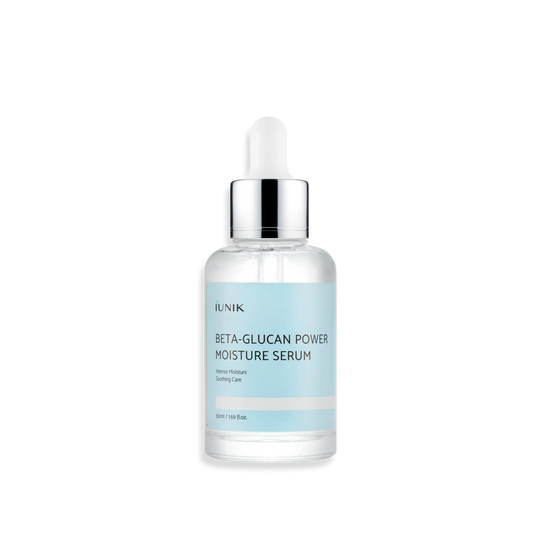

Beta Glucan Power Moisture Serum
Lightweight daily moisture serum

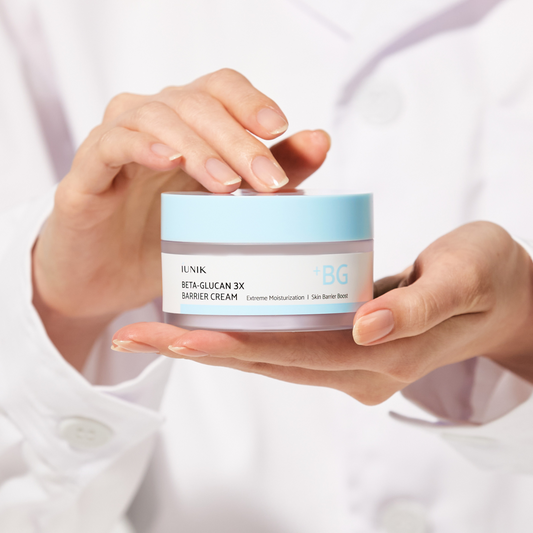
Beta Glucan 3X Barrier Cream
Triple barrier repair cream
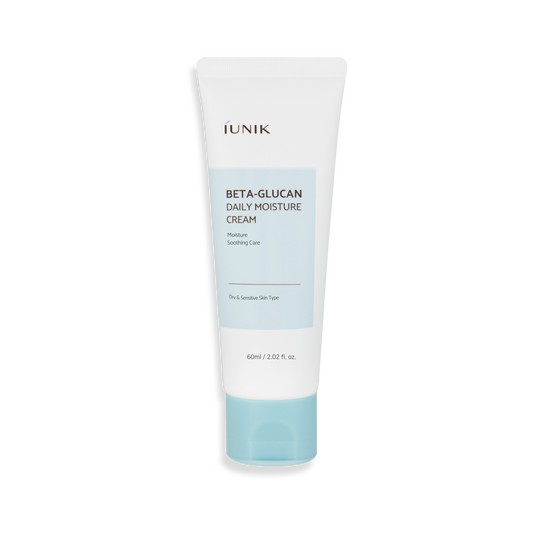
Beta Glucan Daily Moisture Cream
Lightweight daily hydration cream
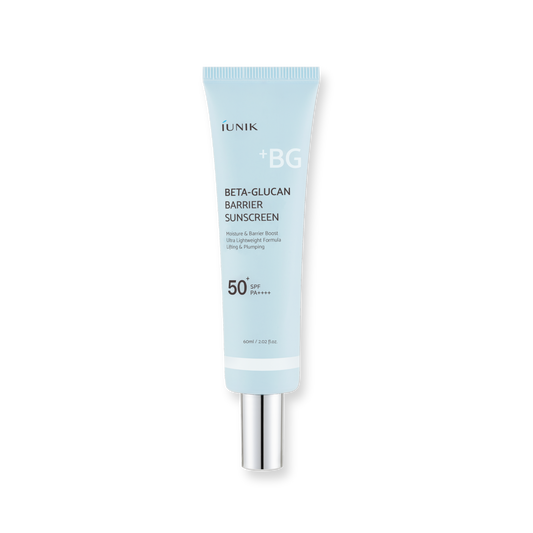
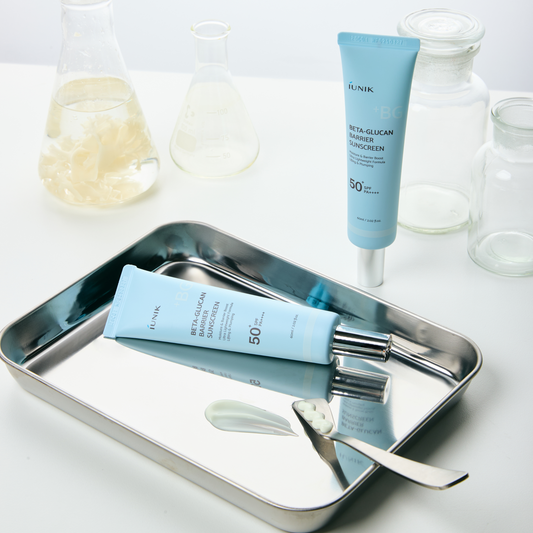
Beta Glucan Barrier Sunscreen
Firming sun defense SPF
Q&A
Yes — it’s a solid pairing for oily-dehydrated skin because it hydrates while helping skin look more balanced.
Usually before heavier serums/creams. Think: thinner layers first, thicker last.
Often it’s a stressed barrier or too many actives. Simplify for a week: hydrate, calm, moisturise.
Not really. Let each layer settle for 10–20 seconds so you don’t pill — that’s enough.
Alternate if you’re reactive or using strong actives. Mixing is fine for gentle hydrators and soothers.