

One Serum Isn't Always Enough: How to Pick the Second Product
You bought a serum for the thing that bothers you most, and it's working. The tone is evening out, or the redness has settled, or your skin feels firmer than it did.
And yet something is still off. The skin under your eyes hasn't changed. Or your face looks good in the morning and tired by evening. Or one stubborn spot is ignoring everything.
That's not the serum failing. That's the serum reaching the edge of what one product in one step can cover.
One Serum Isn't Always Enough: How to Pick the Second Product
You bought a serum for the thing that bothers you most, and it's working. The tone is evening out, or the redness has settled, or your skin feels firmer than it did.
And yet something is still off. The skin under your eyes hasn't changed. Or your face looks good in the morning and tired by evening. Or one stubborn spot is ignoring everything.
That's not the serum failing. That's the serum reaching the edge of what one product in one step can cover.

Why One Serum Has a Ceiling
A serum is a single texture, applied in a single step, at a single moment in your day. That's what makes it good — it delivers a concentrated dose of actives to most of your face.
It also sets a limit. A watery serum can't sit on skin all night the way a mask can. A face serum shouldn't be your eye treatment. Something applied at 8am has usually finished working by dinner.
So when a routine stalls, the question worth asking isn't whether the serum is strong enough. It's what part of the problem the serum was never positioned to reach.
Why One Serum Has a Ceiling
A serum is a single texture, applied in a single step, at a single moment in your day. That's what makes it good — it delivers a concentrated dose of actives to most of your face.
It also sets a limit. A watery serum can't sit on skin all night the way a mask can. A face serum shouldn't be your eye treatment. Something applied at 8am has usually finished working by dinner.
So when a routine stalls, the question worth asking isn't whether the serum is strong enough. It's what part of the problem the serum was never positioned to reach.

A Good Second Product Covers a Gap
The pairings that make a difference tend to fill one of three gaps.
A place. Somewhere your serum doesn't go, or shouldn't. The eye area is the obvious one — thinner skin, different needs, and the first place most people notice change.
A time. Your serum works in the hours after you apply it. Overnight is a long window, and skin does a lot of its repair in it.
A step. Either before your serum, prepping skin so it lands better, or after it, sealing it in. Or alongside it, treating one small area more intensively than the whole face needs.
What doesn't help is a second product doing the same job as the first. Two brighteners in a row isn't twice the brightening — it's usually just more product on your face.
A Good Second Product Covers a Gap
The pairings that make a difference tend to fill one of three gaps.
A place. Somewhere your serum doesn't go, or shouldn't. The eye area is the obvious one — thinner skin, different needs, and the first place most people notice change.
A time. Your serum works in the hours after you apply it. Overnight is a long window, and skin does a lot of its repair in it.
A step. Either before your serum, prepping skin so it lands better, or after it, sealing it in. Or alongside it, treating one small area more intensively than the whole face needs.
What doesn't help is a second product doing the same job as the first. Two brighteners in a row isn't twice the brightening — it's usually just more product on your face.

If You're Using the Volufiline Grape PDRN Serum
This one is working on firmness and skin density across your face.
The gap is usually a place. Fine lines show up around the eyes before anywhere else, and that skin is too thin and too delicate for a face serum to be the right answer. The Propolis Vitamin Eye Cream handles that zone properly, so the firming work isn't stopping at your cheekbones.
Or the gap is a step. Firming actives need moisture around them to look their best — plump skin reads as firm skin. Sealing the serum under the Beta Glucan 3X Barrier Cream keeps that hydration in overnight instead of letting it evaporate by morning.

If You're Using the TXA Niacinamide Narcissus PDRN Serum
This one is working on dark spots and uneven tone.
The gap here is usually time. Pigment corrects slowly, and overnight is when you get the longest uninterrupted stretch. Layering the Propolis Vitamin Sleeping Mask over it at night means the brightening work continues while you sleep, and you wake up with skin that looks less flat.
Or you genuinely do want a second brightener — this is the one exception to the two-of-the-same rule, because brightening happens through several different routes. The Rose Galactomyces Synergy Serum works on surface texture and clarity rather than on pigment production, so it adds a different kind of brightness rather than repeating the same one. Apply it first, then the PDRN serum on top.

If You're Using the Azelaic Acid Lacto PDRN Serum
This one is calming redness and clearing congestion.
The gap is often a step before. Reactive skin does better when it's already calm at the point the active goes on. The Tea Tree Relief Toner settles things at the first step, which usually means the azelaic acid feels gentler than it does on bare skin.
Or the gap is intensity in one spot. A serum treats your whole face at one strength, which is right for general redness and not quite enough for an active breakout. The Centella Calming AC Spot Cream lets you go harder on the two or three places that need it without pushing the rest of your face.
When One Is Actually Enough
Plenty of routines don't need a second product, and it's worth saying so.
If your serum is still new to you, give it eight to twelve weeks before deciding anything. Most actives in this category are slow, and adding something in week three makes it impossible to tell what's working.
If your skin is currently irritated, adding is the wrong direction. And if the only thing missing is moisture, a good cream is a cheaper answer than another treatment.
The case for a second product is specific: there's a place, a time, or a step your serum isn't covering, and you can name which one.
When One Is Actually Enough
Plenty of routines don't need a second product, and it's worth saying so.
If your serum is still new to you, give it eight to twelve weeks before deciding anything. Most actives in this category are slow, and adding something in week three makes it impossible to tell what's working.
If your skin is currently irritated, adding is the wrong direction. And if the only thing missing is moisture, a good cream is a cheaper answer than another treatment.
The case for a second product is specific: there's a place, a time, or a step your serum isn't covering, and you can name which one.
Adding It Without Upsetting Your Skin
One new product at a time, with two weeks between introductions, so you can tell what caused what.
Evenings first, for anything richer or more active. And if something starts to pill or feel heavy, the layer that's usually at fault is the second-thickest one, not the newest.
The Takeaway
A second product earns its place by covering something the first one structurally can't — a zone it shouldn't go near, a window it isn't awake for, or a step that makes it land better.
Once you know which gap you're filling, the choice gets much easier, and the routine starts to feel deliberate rather than accumulated.


Volufiline Grape PDRN Serum
Firm, Lift, Plump Skin


TXA Niacinamide Narcissus PDRN Serum
Fade Spots, Brighten Tone


Azelaic Acid Lacto PDRN Serum
Calm Redness, Strengthen Barrier
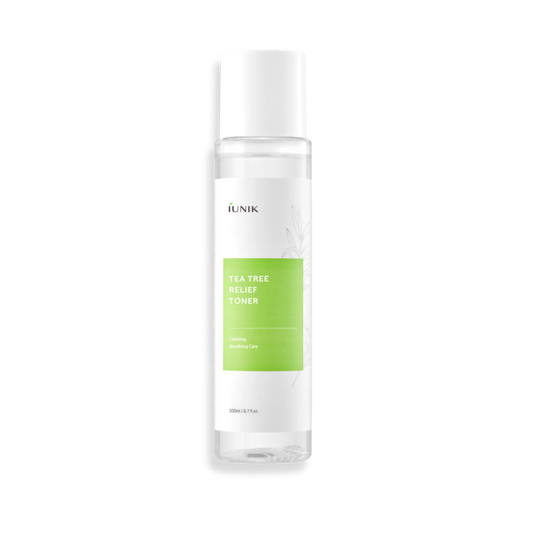
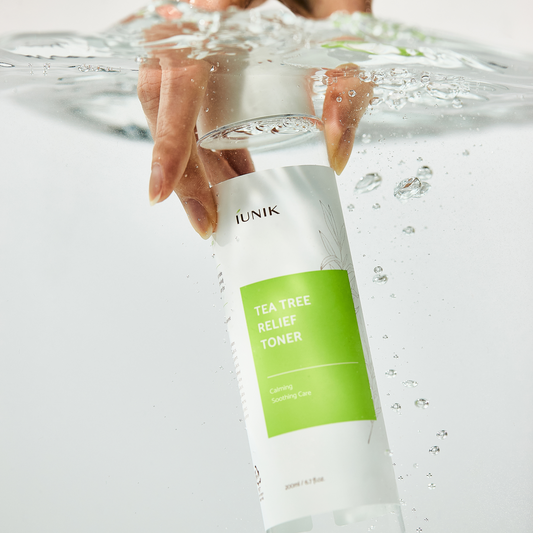
Tea Tree Relief Toner
Soothing water hydration toner
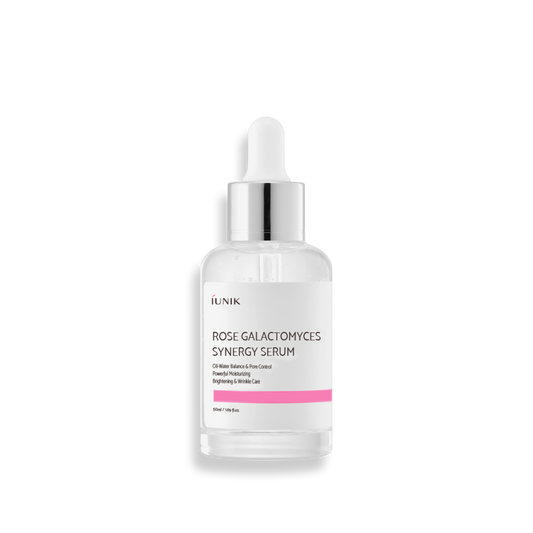
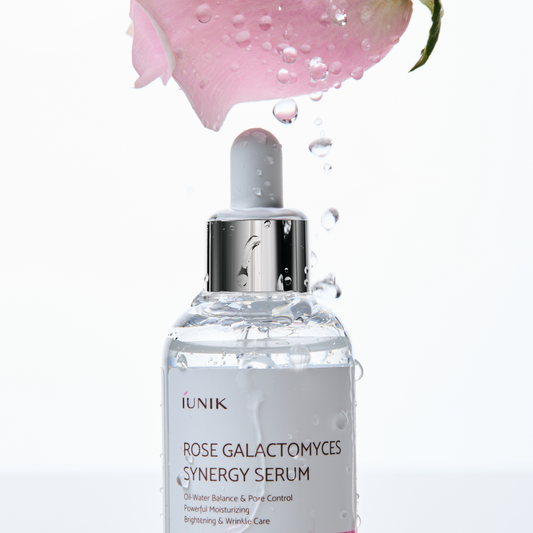
Rose Galactomyces Synergy Serum
Radiance boosting serum
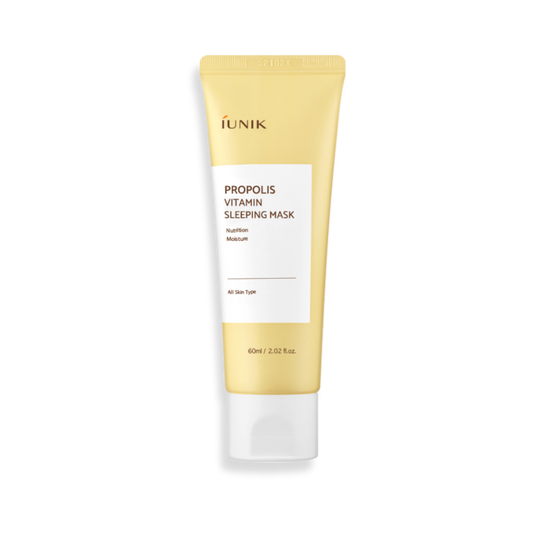
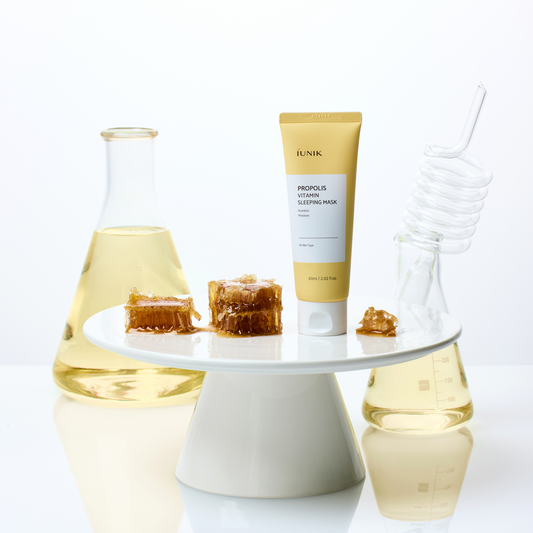
Propolis Vitamin Sleeping Mask
Overnight glow mask

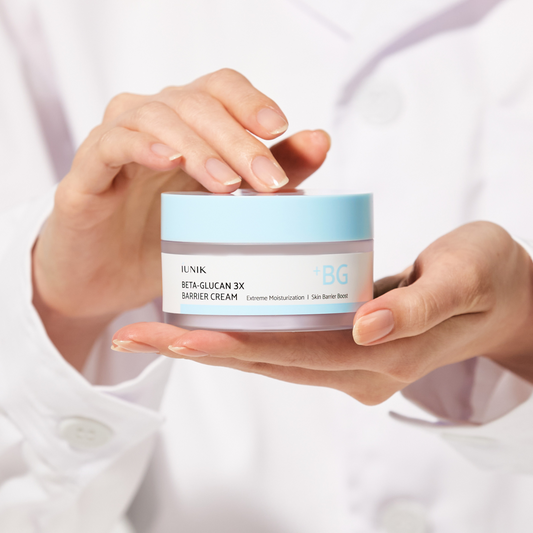
Beta Glucan 3X Barrier Cream
Triple barrier repair cream
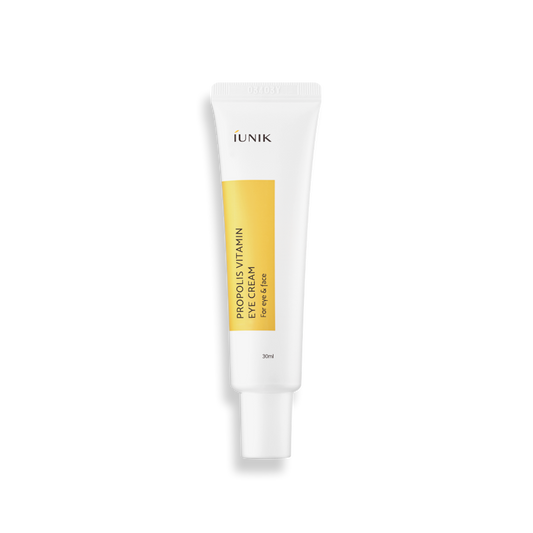
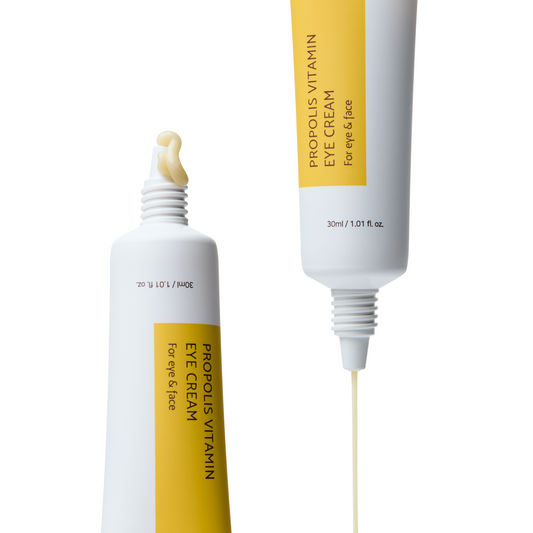
Propolis Vitamin Eye Cream
Bright + firm eye cream
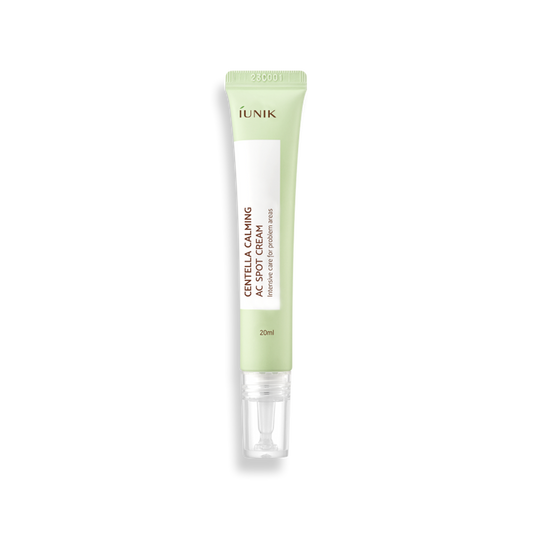
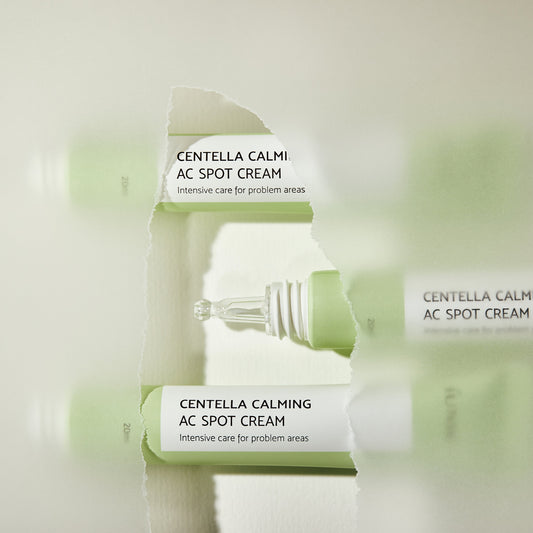
Centella Calming AC Spot Cream
Targeted blemish relief cream