

Sea Buckthorn: The Vitamin C Alternative Your Skin Actually Needs
Vitamin C is one of the most talked-about brightening ingredients in skincare and one of the most complained-about. It oxidises in the bottle. It stings on application. It turns orange. It conflicts with other actives. And despite all of that, people keep using it because the results, when it works, are real.
But there's an ingredient that delivers most of what vitamin C does for skin, the brightening, the antioxidant defence, the glow without any of the stability problems or sensitivity concerns. It's called sea buckthorn. And it's been sitting quietly in IUNIK's propolis formulations the whole time.

What Is Sea Buckthorn?
Sea buckthorn (Hippophae rhamnoides) is a thorny shrub native to Europe and Asia, producing small orange berries that have been used in traditional medicine across Siberia, China, and Scandinavia for centuries. The berries are extraordinary from a nutritional standpoint as they're one of the most nutrient-dense fruits that exists, packed with vitamins, carotenoids, essential fatty acids, amino acids, and plant sterols.
In skincare, it's the fruit extract that matters. The vitamin C concentration in sea buckthorn is exceptional: 256 times higher than grapes, 176 times higher than apples, and 5.8 times higher than lemons. This is why it earned the nickname the "vitamin tree" in traditional medicine long before modern skincare took an interest in it.
But sea buckthorn's skincare value isn't only about vitamin C content. Its full nutritional profile — the carotenoids, the beta-sitosterol, the amino acids, the tocopherols — creates a multi-pathway brightening and nourishing effect that isolated vitamin C can't replicate on its own.
What Sea Buckthorn Actually Does for Skin
Brightening and glow. The vitamin C in sea buckthorn extract inhibits melanin production — the same mechanism that makes synthetic vitamin C serums effective for fading dark spots and evening tone. But unlike pure L-ascorbic acid, which degrades rapidly on exposure to light and air, the vitamin C in sea buckthorn exists within a complex of protective compounds that stabilise it.
Antioxidant defence. Carotenoids — the pigments that give the berries their distinctive orange colour — are powerful antioxidants that neutralise the free radicals generated by UV exposure, pollution, and environmental stress. This is the protective layer that helps prevent the oxidative damage that accelerates visible ageing and dullness.
Skin nutrition and repair. The amino acids and fatty acids in sea buckthorn support the skin's structural proteins and lipid barrier. Vitamin E (tocopherol) contributes additional antioxidant protection alongside its barrier-repairing role. Beta-sitosterol, a plant sterol, has anti-inflammatory properties that calm redness while the brightening compounds work.
Cell renewal support. Vitamin C is a cofactor in collagen synthesis — which is why it's valued not just for brightening but for its longer-term contribution to skin firmness and elasticity. Sea buckthorn delivers this vitamin C alongside a supporting cast of nutrients that amplify rather than isolate the effect.
Why Sea Buckthorn Works Better Than Vitamin C Serum for Many Skin Types
The problems people have with vitamin C serums are almost entirely problems with the ingredient in its isolated, synthetic form — specifically L-ascorbic acid, which is the most studied but also the most unstable and irritating form of vitamin C used in skincare.
Stability
L-ascorbic acid oxidises rapidly when exposed to air and light. A vitamin C serum that's turned yellow or orange has lost a significant portion of its potency — but because the degradation is gradual, most people don't notice until the product has stopped working. Sea buckthorn extract doesn't have this problem. The vitamin C it contains exists within a naturally protective matrix of antioxidants that stabilise it, meaning the extract remains effective throughout the product's shelf life.
Tolerance
L-ascorbic acid serums — particularly at the high concentrations required to be effective — are acidic by necessity, and that acidity is what causes the tingling, stinging, and sensitivity many people experience. Sea buckthorn extract is not acidic in the same way. It delivers the brightening compounds in a skin-compatible form that doesn't require an acidic pH to work, making it genuinely suitable for sensitive, reactive, and compromised skin.
Compatibility
Vitamin C at high concentrations conflicts with niacinamide, retinol, and some acids when applied simultaneously — requiring careful sequencing or separate routines. Sea buckthorn extract has no such compatibility issues and layers cleanly alongside the full range of actives a modern skincare routine might include.
Breadth of effect
A pure vitamin C serum does one thing exceptionally well: delivers vitamin C. Sea buckthorn extract delivers vitamin C alongside carotenoids, tocopherols, fatty acids, amino acids, and plant sterols — each contributing to skin quality in its own way. The total effect on radiance, texture, and skin health is broader than any single-molecule ingredient can achieve.
This doesn't mean vitamin C serums have no place in skincare — for specific concerns like significant hyperpigmentation, a well-formulated vitamin C serum used correctly remains highly effective. But for the large proportion of people who find them irritating, wasteful, or complicated to use, sea buckthorn is a more practical route to the same core benefit.

Sea Buckthorn in the IUNIK Range
IUNIK includes sea buckthorn fruit extract across its propolis product range, where it sits alongside propolis extract as a dual brightening and nourishing anchor. The two ingredients are complementary by design: propolis brings its own antioxidant, anti-inflammatory, and barrier-repair properties; sea buckthorn brings the vitamin C-rich brightening profile. Together they deliver a broader spectrum of skin nutrition than either does alone.
In the Propolis Vitamin Synergy Serum, sea buckthorn is listed at 35,000ppm — a meaningful concentration that places it as a primary active, not a token inclusion. It's supported by propolis extract at 700,000ppb, niacinamide for direct melanin inhibition and barrier support, and the Oriental Beauty Fruits Newplex — a botanical complex of pomegranate, fig, mulberry, and ginkgo that provides additional antioxidant and brightening depth.

Why Propolis and Sea Buckthorn Work So Well Together
Propolis is one of K-beauty's most valued ingredients for skin nutrition and barrier support — but it isn't primarily a brightening ingredient. Its strengths are in antioxidant protection, anti-inflammatory action, and the deep nourishment that comes from its complex of flavonoids, phenolic acids, and vitamins. It makes skin look healthy and well-fed; it doesn't specifically target melanin or uneven tone the way a dedicated brightening ingredient does.
Sea buckthorn fills that gap. Its vitamin C content provides the direct brightening action that propolis doesn't — inhibiting the melanin pathway and supporting the cell renewal that reveals clearer, more even skin over time. Its carotenoid antioxidants extend and amplify propolis's own free-radical defence.
The combination produces something neither ingredient does as effectively alone: a formula that nourishes deeply, calms sensitised skin, and visibly brightens — simultaneously and without compromise. This is why the Propolis Vitamin Synergy Serum consistently reviews as a morning serum that makes skin look better, not just feel better.
The Bottom Line
Sea buckthorn isn't a niche ingredient or a compromise. It's a botanically complex, exceptionally nutrient-dense fruit extract that delivers vitamin C at concentrations that dwarf most common fruit sources — alongside an antioxidant, fatty acid, and amino acid profile that isolated vitamin C simply doesn't have.
For skin that finds vitamin C serums too irritating, too unstable, or too complicated — and for skin that just wants to glow without the drama — sea buckthorn is the more intelligent route to the same result.
It's already in your routine if you're using IUNIK propolis products. If it isn't yet, spring is a good time to start.
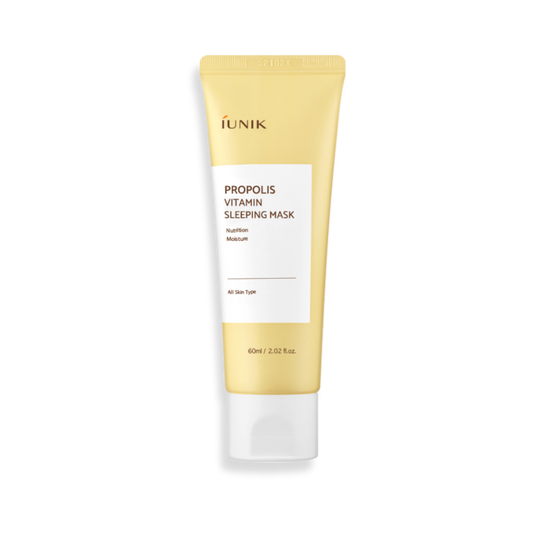
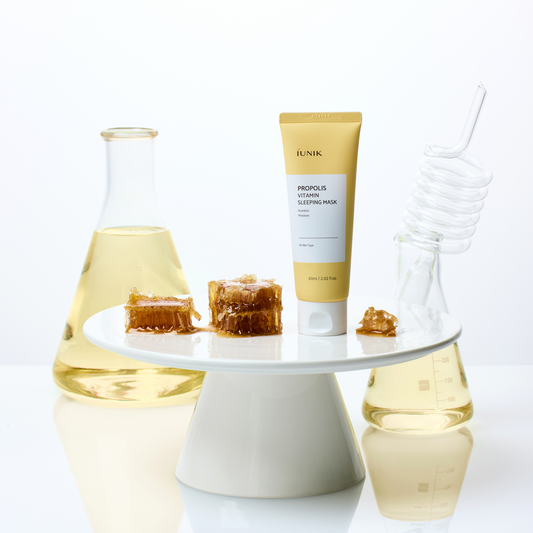
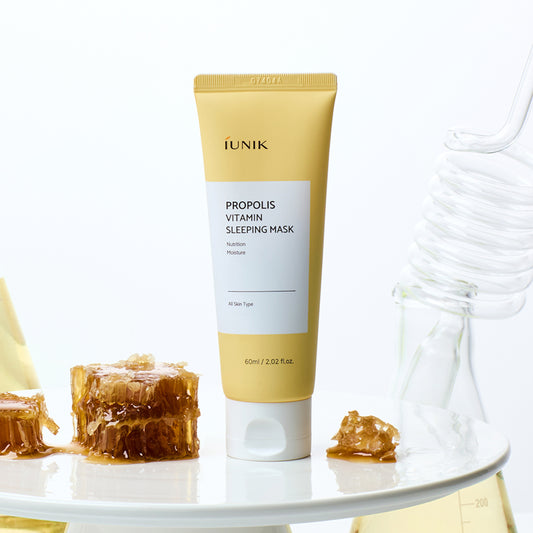
Propolis Vitamin Sleeping Mask
Overnight glow mask
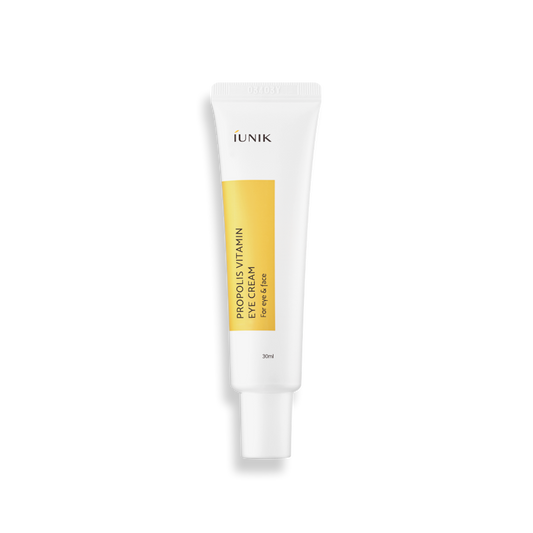
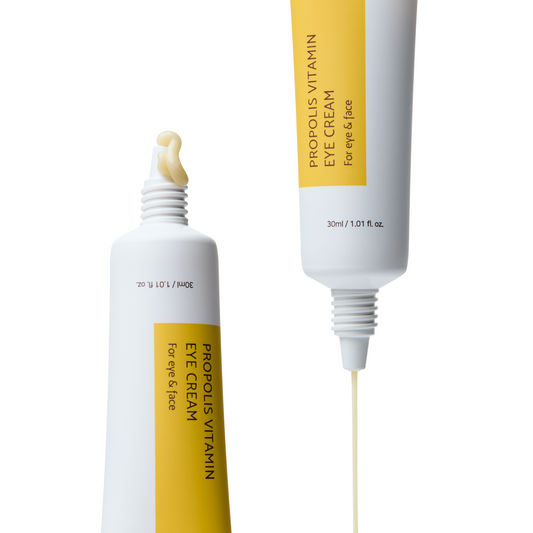
Propolis Vitamin Eye Cream
Bright + firm eye cream
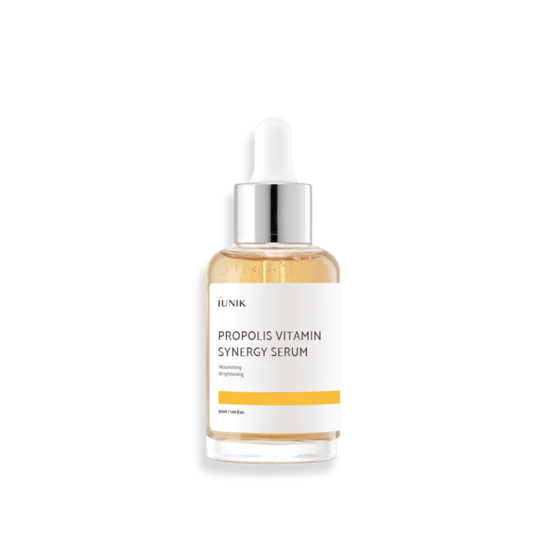
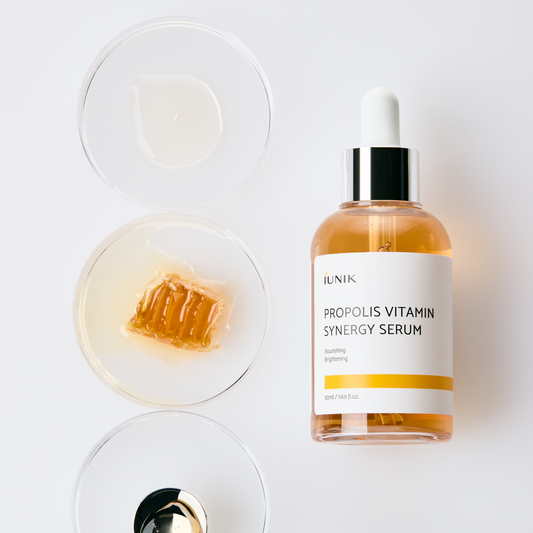
Propolis Vitamin Synergy Serum
Radiance + nutrition serum
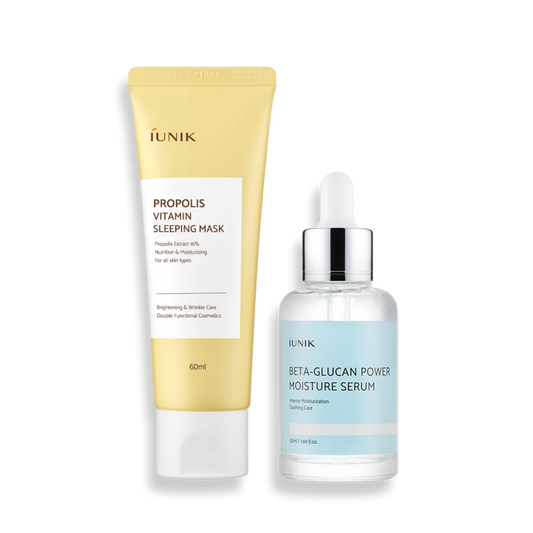
Overnight Glow Duo
Overnight moisture recovery