

Sea Buckthorn vs Vitamin C: The Gentler Brightening Path
Vitamin C is the most studied brightening ingredient in skincare. It's also the one most people give up on.
The stinging. The orange-tinted serum that oxidised in three weeks. The redness that lasted longer than the glow. The careful dance around acids and retinoids because the vitamin C was already maxing out what the skin could tolerate. If you've tried L-ascorbic acid and walked away, the issue is rarely your skin — it's the form.
Sea buckthorn does what L-ascorbic acid does, through a different mechanism, without the same costs. Here's how the two compare, who each is actually for, and what changes when you switch.

What L-Ascorbic Acid Is Actually Doing
L-ascorbic acid is pure vitamin C. It's the form most clinical studies have used, which is why it dominates the conversation around brightening serums.
What it does well:
- Neutralises free radicals, protecting skin from oxidative damage
- Inhibits melanin production, fading dark spots and post-inflammatory hyperpigmentation
- Supports collagen synthesis, contributing to firmness over time
- Brightens overall tone through accumulated antioxidant effect
The clinical evidence is real. At the right concentration, on the right skin, it works.
The problem is the chemistry that makes it work. L-ascorbic acid is acidic (it has to be — it needs a pH below 3.5 to penetrate the skin). It's unstable (exposure to air, light, or water degrades it, which is why old vitamin C serums turn orange). And it's reactive enough that it commonly causes stinging, redness, and barrier disruption — particularly on sensitive skin or compromised barriers.
The result: a lot of people start with L-ascorbic acid and either tolerance-build very slowly over months, or give up entirely.

What Sea Buckthorn Does Differently
Sea buckthorn berries are potent vitamin C sources, boasting 5.8x the concentration of lemons and 256x that of grapes. Unlike isolated L-ascorbic acid, they also provide vitamin E, beta-carotene, and omega fatty acids.
Key advantages of this form:
Natural Stability: Plant antioxidants and lipids prevent oxidation, ensuring the serum doesn’t degrade or turn orange quickly.
Non-Acidic: It brightens without a low pH, eliminating stinging, routine incompatibilities, or mandatory wait times.
Barrier Support: Omega-7 fatty acids strengthen the skin barrier, helping sensitive or compromised skin tolerate brightening treatments.
The trade-off historically has been concentration. L-ascorbic acid serums typically use 10–20% vitamin C; sea buckthorn-based formulas are working with lower concentrations of vitamin C itself, supplemented by the broader nutritional matrix.
In practice, on skin that couldn't tolerate L-ascorbic acid anyway, sea buckthorn often produces more visible brightening — because the skin isn't simultaneously inflamed by the active that's supposed to be helping it.
Who Each Is Actually For
This isn't a story about one ingredient being objectively better. It's about matching the form to the skin.
L-ascorbic acid:
You have resilient skin that tolerates acids and retinoids without flaring
You're prepared to start at a low concentration and build tolerance over weeks
You want the most clinically documented antioxidant pathway, with the strongest collagen-support evidence
You can commit to storing the serum properly (dark glass, cool temperature) and replacing it within 3–4 months of opening
Your primary concern is hyperpigmentation that needs the most direct intervention
Sea buckthorn vitamin C:
You have sensitive, reactive, or compromised skin
You've tried L-ascorbic acid and given up because of stinging or redness
You're already using actives (retinoids, acids) and don't have room for another irritating ingredient
You want the brightening alongside barrier support, not at the cost of it
You want a stable serum that doesn't oxidise, doesn't require careful timing, and layers cleanly with everything else
You're new to vitamin C and want to start with the gentler form before deciding whether to escalate
There's a third group worth naming: people whose skin used to tolerate L-ascorbic acid but doesn't anymore. Pregnancy, hormonal shifts, illness, age, or simply a barrier that's been over-worked can all narrow the window of what skin will tolerate. Sea buckthorn is often what makes brightening possible again after L-ascorbic acid stops working.
How to Switch
If you're moving from L-ascorbic acid to sea buckthorn:
Expect a different texture. Sea buckthorn serums are typically more emollient than L-ascorbic acid formulas, which tend to be thin and water-light. The lipid component is part of what makes it gentler.
Don't expect the same fast-acting tingle-then-brightness. The L-ascorbic acid pattern of "stings on application, brighter the next day" doesn't translate. Sea buckthorn works more gradually and cumulatively. The brightness builds over weeks rather than days.
You can use it morning or night. Unlike L-ascorbic acid, which most people use in the morning to pair with sunscreen's UV protection, sea buckthorn is stable enough to use either time. Many routines use it in the evening alongside other treatments.
It pairs without the rules. Niacinamide, acids, retinoids — sea buckthorn doesn't have the incompatibility issues L-ascorbic acid does. The only rule is sunscreen the next morning, which is non-negotiable with any brightening ingredient.

The IUNIK Sea Buckthorn Pick
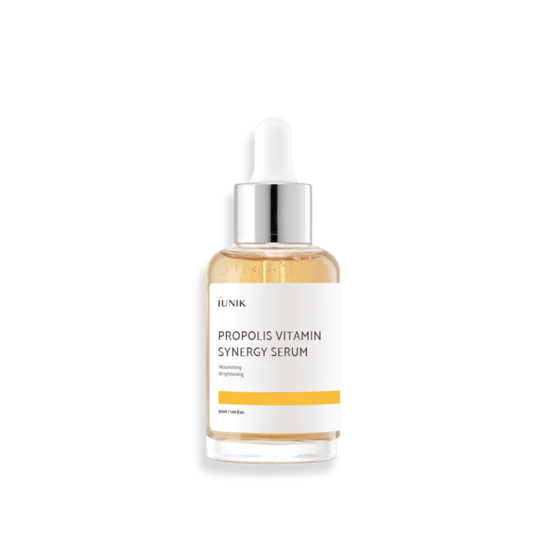
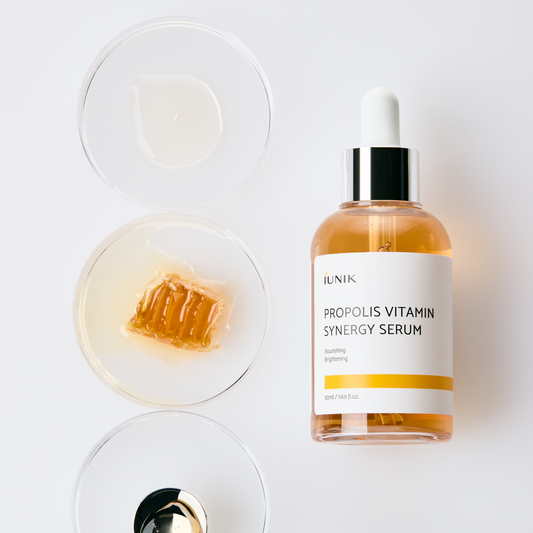
The Propolis Vitamin Synergy Serum is the sea-buckthorn-based vitamin C in the IUNIK range.
The formulation:
- Sea buckthorn extract at 35,000ppm — the brightening and antioxidant core
- Propolis extract at 700,000ppb — for nourishment, calming, and the barrier-support layer that makes the brightening tolerable
- Niacinamide — supporting the tone-evening work, and addressing post-inflammatory pigmentation alongside the surface brightness
The texture is a lightweight, slightly emollient serum that layers cleanly under everything. No sting, no oxidation, no compatibility rules.
Use it after your essence and before your moisturiser. Morning or night. Layer the Beta-Glucan Lacto Barrier Milk Essence underneath to maximise absorption, and finish the morning with the Centella Calming Daily Sun Water — because the UV protection is what makes any brightening serum's work actually visible over time.
The Takeaway
L-ascorbic acid is the most studied vitamin C. It's not the only one — and it's not the right one for everyone.
Sea buckthorn delivers the brightening and antioxidant benefits through a gentler pathway, with barrier-supportive ingredients built into the same molecule. For sensitive skin, reactive skin, compromised barriers, or anyone who's been frustrated by traditional vitamin C, it's the form that makes brightening actually work — instead of working against the skin trying to use it.
Same results. Different chemistry. No sting.
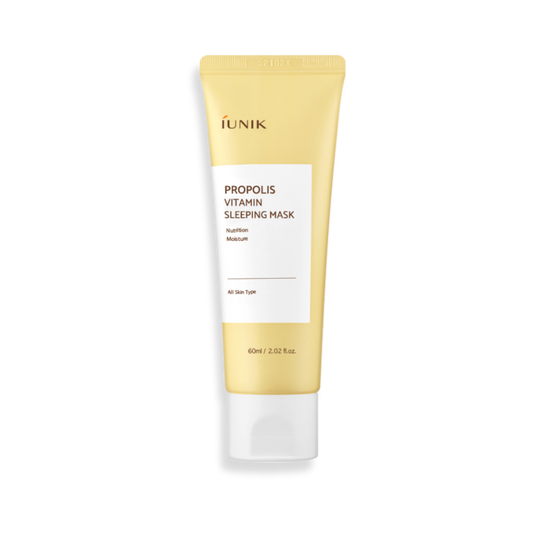
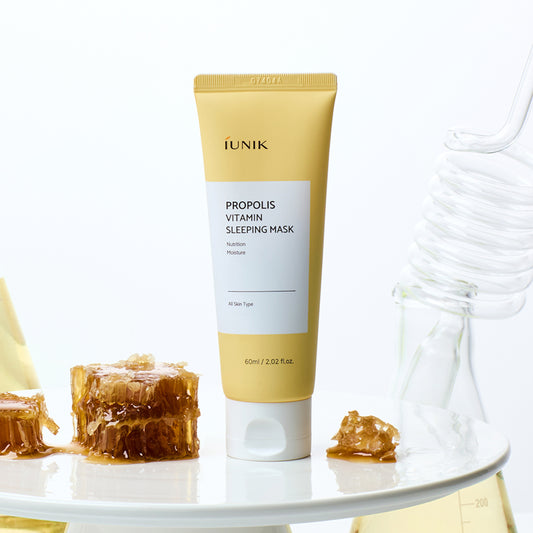
Propolis Vitamin Sleeping Mask
Overnight glow mask
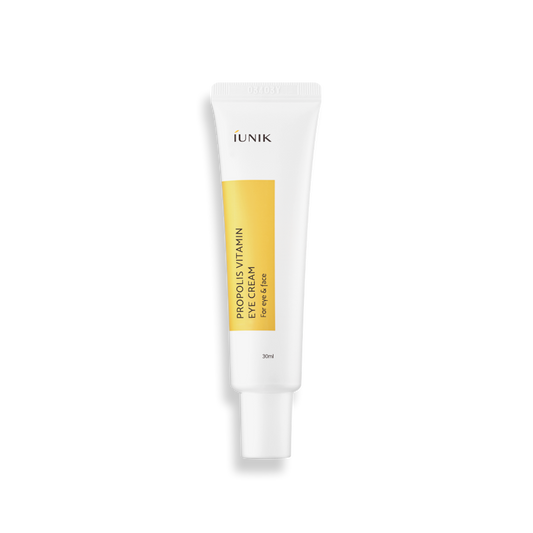
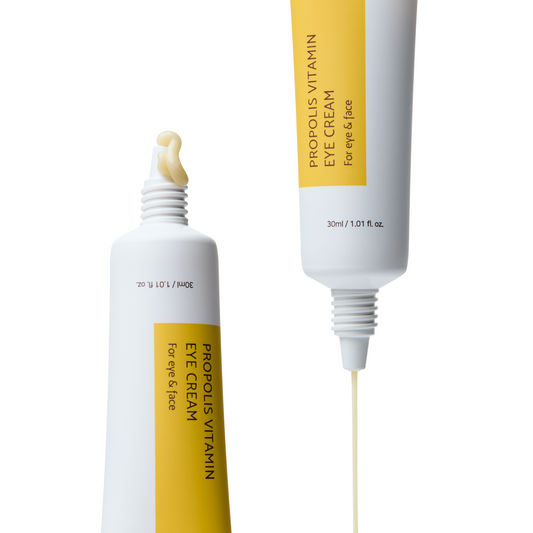
Propolis Vitamin Eye Cream
Bright + firm eye cream
Propolis Vitamin Synergy Serum
Radiance + nutrition serum
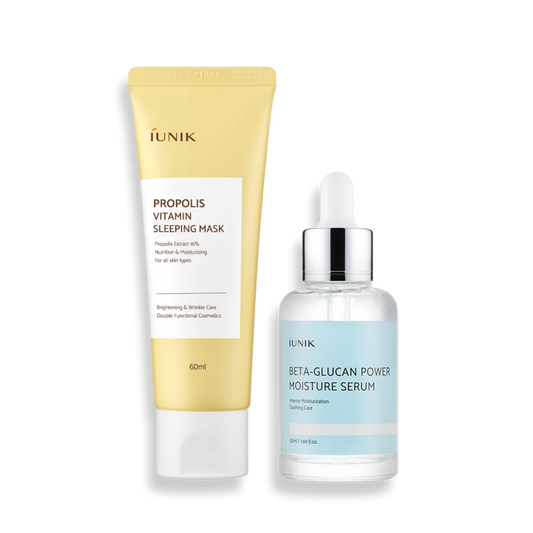
Overnight Glow Duo
Overnight moisture recovery