


Skin Purging: What It Is, How Long It Lasts, and What to Do About It
You start a new serum. A week later, your skin breaks out. Your first instinct is to blame the product and throw it in the bin — but before you do, it's worth asking: is this a reaction, or is this purging?
The difference matters. One means the product isn't right for your skin. The other means it's working. Here's how to tell them apart — and what to do either way.

What Is Skin Purging?
Skin purging is a temporary increase in breakouts that happens when a new active ingredient accelerates your skin's natural cell turnover rate. Your skin is constantly shedding old cells and producing new ones — normally this cycle takes around 28 days. Certain active ingredients speed that process up significantly, and when they do, everything already lurking beneath the surface — clogged pores, congestion, sebum buildup — gets pushed out faster than usual.
The result looks like a breakout. But it isn't one in the usual sense. The blemishes aren't caused by the product — they were already forming under the skin. The product simply surfaced them sooner than they would have appeared on their own.
Once that backlog clears, the active ingredient can start doing the job it's actually there to do: smoother texture, clearer skin, more even tone. Purging is the unpleasant prelude to results.
Which Ingredients Cause Skin Purging?
Not every ingredient can cause purging — only those that genuinely increase cell turnover. The main ones to know.
AHAs
Glycolic acid, lactic acid. Exfoliate the surface of the skin, loosening the bonds between dead cells and accelerating their shedding. A common trigger, especially for those new to chemical exfoliants.
BHAs
Salicylic acid. Oil-soluble, so they penetrate into the pore lining as well as the surface. Particularly prone to triggering purging in congested or acne-prone skin because of how deep they work.
Retinol and retinoids
Arguably the most notorious purging triggers. Retinol significantly speeds up cell turnover, and the purge it causes can be more intense and longer-lasting than with other actives.
Vitamin C
L-ascorbic acid. Brightens by promoting cell renewal and inhibiting pigmentation. For some skin types, especially congested ones, it can trigger a mild purge when first introduced.
If you've started a new product that doesn't contain any of these ingredients and you're breaking out, it's more likely a reaction than a purge — which is worth understanding separately.

Skin Purging vs. a Breakout
This is the question most people are actually searching for — and the answer comes down to three things: location, timing, and what the blemishes look like.
- Location: Purging tends to appear where you already break out. The active isn't creating new problem areas — it's clearing existing congestion in your usual spots. Blemishes appearing somewhere your skin never normally breaks out are more likely a reaction to an ingredient that doesn't suit you.
- Timing: Purging typically starts within the first one to two weeks of introducing a new active. If your skin was fine for several weeks and then broke out, it's more likely a reaction or a formulation issue.
- Blemish type: Purging tends to produce whiteheads, small pimples, or accelerated versions of blemishes you'd usually get — and they tend to come and go faster than normal breakouts. Cystic, inflamed, or painful breakouts appearing in new areas are a stronger sign of a reaction.
The honest truth is that the line isn't always completely clean. If you're genuinely unsure, patch test, introduce actives slowly, and give your skin time to tell you what's happening. A single product introduced at a time makes it much easier to diagnose.
How Long Does Skin Purging Last?
For most people, purging lasts between two and six weeks — roughly one to two full skin cycles. Retinol tends to sit at the longer end of that range. AHAs and BHAs are typically shorter.
If your skin is still breaking out in new places, getting worse rather than gradually improving, or showing signs of irritation (persistent redness, burning, sensitivity) after six weeks, the product may not be right for your skin type or concentration. Purging improves over time. A bad reaction doesn't.

How to Support Your Skin Through Purging
The temptation is to add more — more exfoliation, more actives, more products to try to fix the breakouts faster. Resist it. Purging skin needs calm, not more intervention.
- Don't add more actives. Layering multiple new ingredients while already purging makes it almost impossible to know what's causing what, and increases the risk of irritation.
- Prioritise barrier support. Active ingredients — especially retinol and acids — can compromise the skin barrier while they work. Keeping the barrier healthy reduces sensitivity, speeds recovery, and helps the purge resolve more cleanly.
- Cleanse gently. A stripping cleanser on purging skin worsens irritation and delays recovery. Use something mild that cleans without disrupting.
- Keep it simple. The rest of your routine should be doing as little as possible. Calming, hydrating, barrier-focused. Save the rest for after the purge resolves.
- Be consistent. Stopping and restarting an active is one of the most common ways to prolong purging. If you're confident it's purging and not a reaction, stay the course — reduce frequency if needed, but don't abandon it entirely.
Supporting Your Skin Through Purging with IUNIK
The right companion routine for purging skin is one that keeps the barrier intact, calms any inflammation, and adds back the hydration that actives can deplete. IUNIK's barrier-first formulations are designed for exactly this.
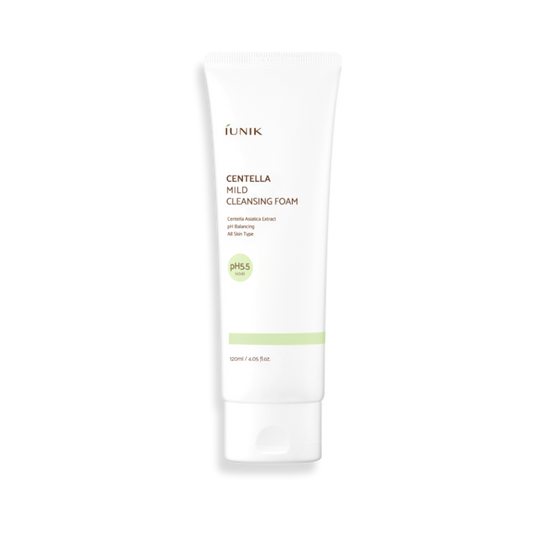
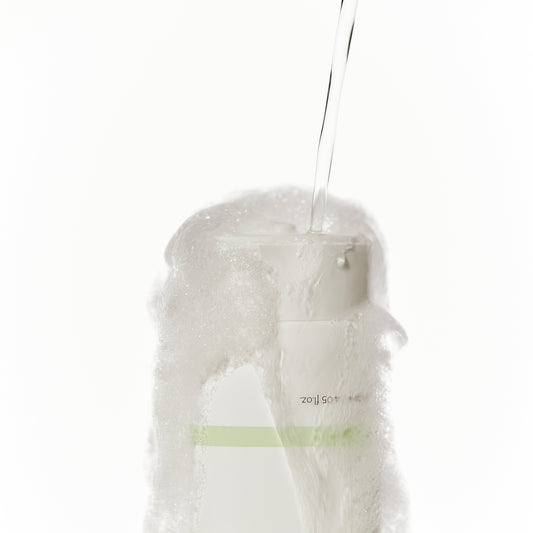
Centella Mild Cleansing Foam
Gentle pore care cleansing foam
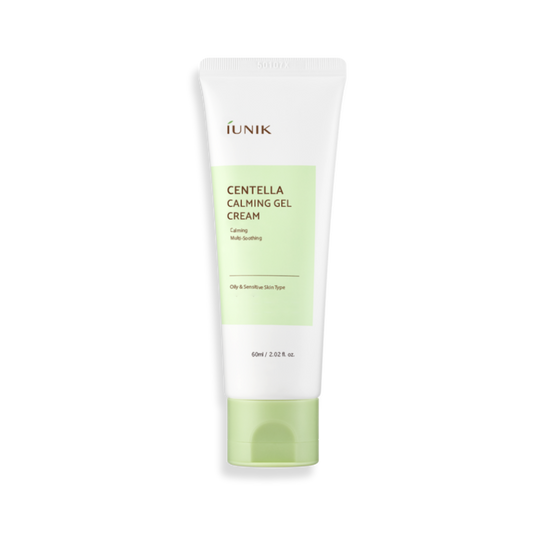
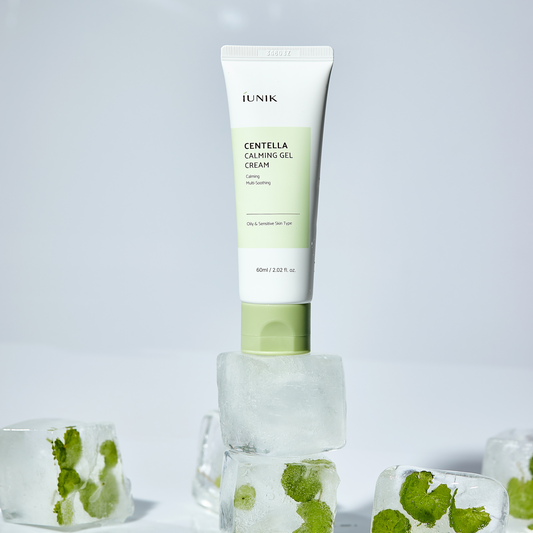
Centella Calming Gel Cream
Soothing gel hydration cream

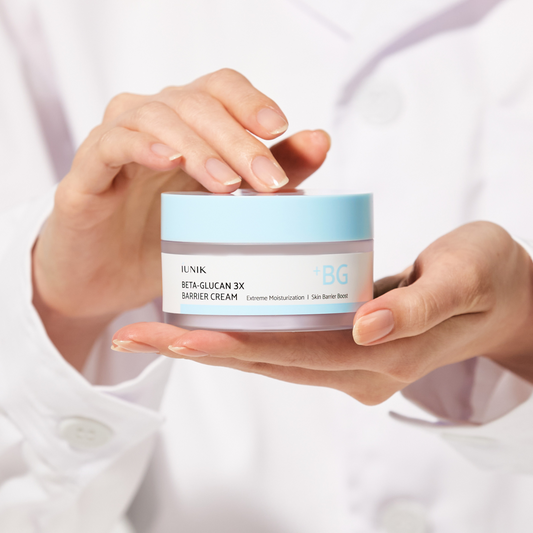
Beta Glucan 3X Barrier Cream
Triple barrier repair cream


Beta-Glucan Lacto Barrier Milk Essence
Barrier-firming milk essence
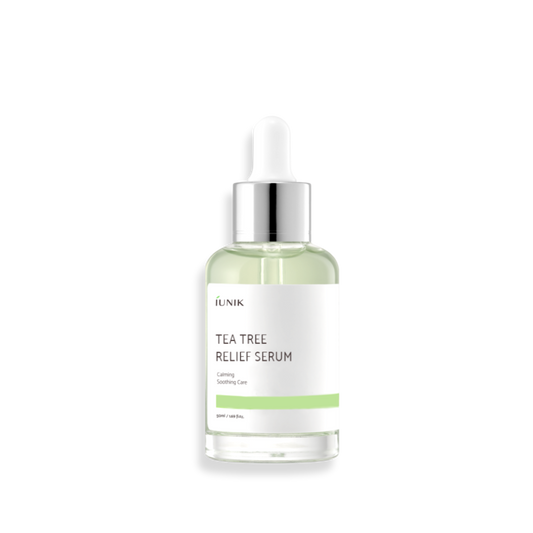
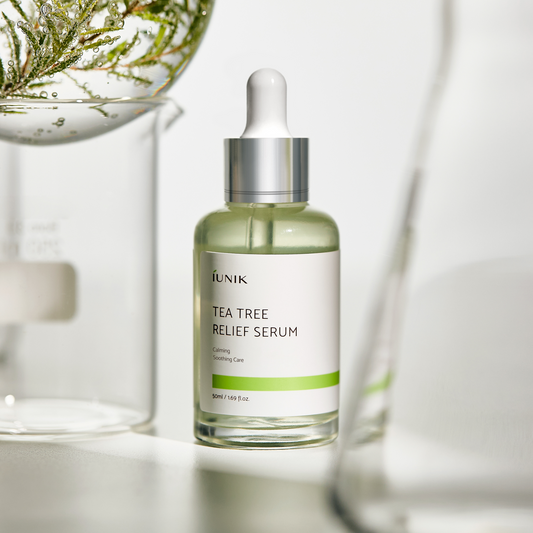
Tea Tree Relief Serum
Blemish calming care serum
Should You Push Through or Stop?
If it's purging — same areas as usual, started within the first two weeks, gradually improving — keep going. You're close to the other side.
If blemishes are appearing in new areas, getting progressively worse, or your skin is visibly irritated and uncomfortable after several weeks, stop and reassess. Either the formulation isn't right for your skin type, the concentration is too high, or you're introducing it too quickly.
The golden rule with actives: start low, go slow, and make sure your barrier is supported throughout. Purging is a normal part of the process for many people — but it should be a temporary one. If your routine is doing its job, calmer, clearer skin is what comes next.