

Slugging: Is It Actually Good for Your Skin Barrier?
If you've been on skincare TikTok or anywhere near the K-beauty community recently, you've almost certainly seen slugging. Slathering your face in an occlusive balm before bed, waking up with glass skin — it sounds almost too simple to work. But does it? And is it right for your skin?
Let's break it down.

What Is Slugging?
Slugging is the practice of applying a thick, occlusive product — typically a petroleum-based balm — as the very last step in your night-time skincare routine. The idea is to create a physical seal over everything you've applied underneath, preventing transepidermal water loss (TEWL) and allowing your skin to retain moisture and recover overnight.
The name comes from the fact that you wake up looking a little… shiny. Like a slug. (It's more flattering in practice than it sounds.)
The trend originated in K-beauty, where layering and barrier protection have long been central to skincare philosophy. It gained mainstream momentum when it spread across social media — and it's stuck around because, for many people, it genuinely works.

The Science Behind It: Why the Skin Barrier Matters
Your skin barrier — technically called the stratum corneum — is the outermost layer of your skin. Think of it as a brick wall: skin cells are the bricks, and a blend of natural lipids acts as the mortar, holding everything together and keeping moisture in and irritants out.
When that barrier is compromised — by over-exfoliation, harsh weather, stress, or simply genetics — your skin loses moisture faster than it can replenish it. The result: tightness, flakiness, redness, and increased sensitivity.
Occlusive ingredients work by sitting on top of the skin and physically reducing water evaporation. They don't add moisture themselves — they just stop it from escaping. This is why slugging works best when layered over hydrating products like essences and serums. You're trapping in everything you've already applied.
Who Should Try or Avoiding Slugging?
TRy
Slugging tends to work particularly well for:
Dry or dehydrated skin types who struggle with overnight moisture loss
Sensitive or reactive skin that benefits from a protective layer
Compromised or damaged barriers — especially after over-exfoliation, prolonged retinol use, or harsh weather exposure
Anyone who wakes up with tight, uncomfortable skin despite a full night-time routine
If your skin feels like it drinks up product without ever feeling truly replenished, slugging might be the answer.
avoid
Slugging isn't universally beneficial — and for some skin types, it can cause more problems than it solves.
Oily or acne-prone skin: Occlusive products can trap sebum and dead skin cells, potentially leading to clogged pores or breakouts — particularly if the products underneath aren't non-comedogenic.
Congestion-prone skin: If you're already prone to whiteheads or milia, the added occlusion may worsen this.
Skin with open active breakouts: Sealing bacteria under an occlusive layer is generally not a good idea.
If you're unsure, patch test first — apply a small amount to your jaw or neck for a few nights before committing to a full face application.
How to Slug Correctly
Slugging is most effective — and safest — when done as part of a considered routine, not just as a standalone step. Here's how to do it well:
Cleanse gently. Use a mild, non-stripping cleanser to start. You want a clean canvas without disrupting the lipid barrier you're trying to protect.
Layer your actives and hydrators first. Toner, essence, serum — apply these as usual. The occlusive step seals everything in, so make sure what's underneath is doing real work.
Apply your moisturiser. Don't skip this step. Occlusives prevent moisture loss but don't replace a good moisturiser.
Finish with your occlusive. A small amount goes a long way — you're aiming for a thin, even layer, not a thick mask.
Do this at night only. The combination of sweat and occlusion during the day is less than ideal for most skin types.

Where IUNIK Fits In
The step right before you slug is arguably the most important one. What you lock in is what your skin works with overnight — so making it count matters.
IUNIK Propolis Synergy Serum — Rich in 72% propolis extract and centella asiatica, this serum strengthens and soothes a compromised barrier while delivering deep nourishment. Applied before your occlusive layer, it gives your skin exactly the kind of active support it needs to repair and recover overnight.
IUNIK Beta Glucan 3X Barrier Cream — If you prefer a lighter slug using your moisturiser as the final step, this cream's triple-barrier formula provides both deep hydration and a level of occlusion on its own — no petrolatum required.
The IUNIK approach to skincare has always been about working with the skin barrier — not against it. Slugging, done thoughtfully, fits naturally into that philosophy.
The Verdict
Slugging isn't a gimmick. For the right skin type, used in the right way, it's a genuinely effective technique for restoring and maintaining a healthy barrier. The key is understanding what it does (and doesn't do), choosing compatible products, and making it a considered part of your routine — not a quick fix.
Start slowly. Pay attention to how your skin responds. And make sure the products underneath the seal are earning their place.
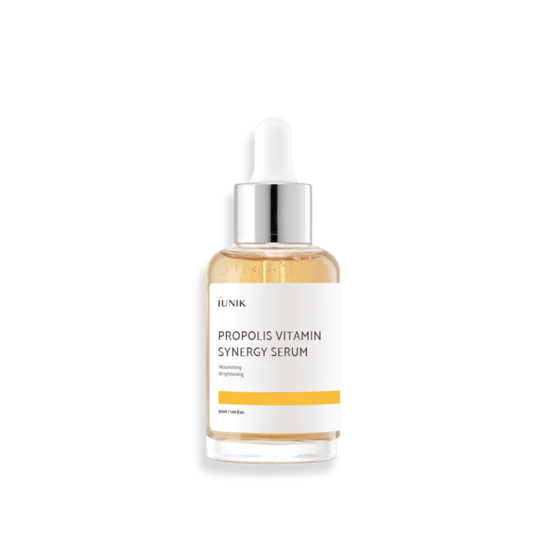
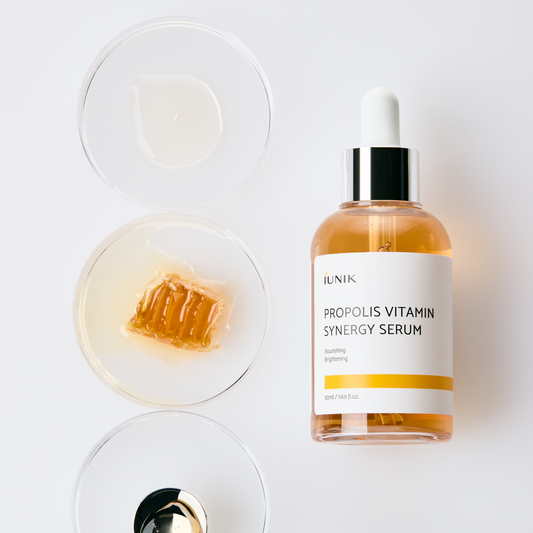
Propolis Vitamin Synergy Serum
Radiance + nutrition serum

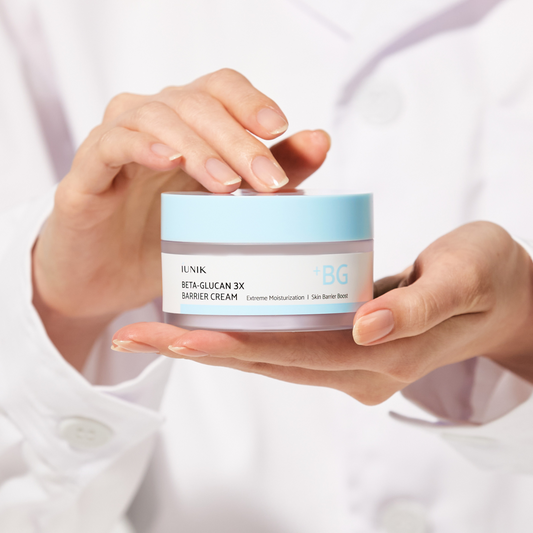
Beta Glucan 3X Barrier Cream
Triple barrier repair cream