

Summer Skin Starts Now: Why SPF Is Non-Negotiable (And How to Make It Stick)
You already know you should be wearing sunscreen every day. That isn't the problem. Almost everyone reading this knows. The problem is the gap between knowing and actually doing — the mornings you forgot, the days the texture annoyed you, the weeks you stopped reapplying because you were just inside, the times you put it on at 9 a.m. and never thought about it again until you got home with a faint line where your collar sat.
Sunscreen habit-building isn't really about sunscreen. It's about designing a routine your skin will actually wear, every day, on the bad mornings as well as the good ones. Here's how to make it stick.

Why the Habit Breaks Down
It's worth being honest about the specific reasons people skip SPF, because the fixes only work if you know what you're fixing.
The texture you don't enjoy. This is the biggest one and the most underrated. A sunscreen that feels heavy, leaves a cast, stings your eyes, or sits greasy by mid-morning is a sunscreen you'll start finding reasons not to apply. Not consciously — you just keep "forgetting" on the days you're running late.
The "I'm not really going outside" justification. UV exposure happens through windows. UVA penetrates glass. The walk to the shop, the school run, the half-hour on the balcony with a coffee — all of it adds up. But the brain doesn't process indoor days as sun days, and the habit erodes whenever the weather is overcast or you're working from home.
The time tax. SPF is the last skincare step in the morning, which means it gets compressed when the rest of the morning runs late. The two-minute wait between moisturiser and sunscreen is the easiest thing to skip when you're already behind.
Reapplication that never happens. Most people manage morning SPF and then never think about it again. By 2 p.m. the protection has degraded — from sweat, from rubbing, from the film breaking down — but reapplication over makeup is awkward enough that most people just don't.
The "summer only" reflex. Sunscreen as a seasonal product, deployed in July and forgotten in November. Daily UV doesn't follow that pattern. December UV is lower, but it's not zero, and the cumulative damage from year-round low-grade exposure adds up faster than the dramatic August beach day most people associate with sun damage.
Each of these breaks the habit in a different way. The fixes are specific.
Fix One: Choose for Texture, Not Just SPF
If you're going to wear sunscreen every day for the rest of your life, the texture has to be something you actually like on your skin. This sounds like a small point. It's not. It's the difference between a habit that holds for a decade and a habit that quietly collapses by August.
The three IUNIK sunscreens exist for three different texture preferences. Not three different "levels" of protection — three different daily-wear experiences, because the right one is the one that fits your skin and your morning.
The Centella Calming Daily Sun Water is the ultra-light water-texture option. It applies almost like an essence, with no white cast and no heaviness, and disappears into the skin within seconds. It's the right choice if you've struggled with heavier sunscreens, if you wear makeup over your SPF, or if you live somewhere humid enough that any noticeable texture becomes unbearable by midday. 82% skincare ingredients, including Centella, Niacinamide, and Panthenol — so the texture is also doing some of the work your moisturiser would otherwise have to.
The Centella Calming Daily Sunscreen is the more traditional cream-texture option, with the same Centella-based calming approach. The right pick if you find water-textures unsubstantial and prefer the reassuring feel of a proper cream — particularly useful for sensitive or reactive skin that wants the familiarity of a more conventional sunscreen format.
The Beta Glucan Barrier Sunscreen adds beta-glucan's hydration and firming benefits alongside the UV protection — so the SPF step contributes moisture rather than just sitting on top of the routine. The pick for drier skin types, or anyone who wants their morning sunscreen to do double duty on hydration.
Owning more than one isn't excessive. Different days, different skin states, different seasons genuinely call for different textures. The Sun Water for hot humid weeks and makeup days; the Beta Glucan Barrier when your skin runs dry; the Centella cream for sensitive phases. That's how the habit holds across a year, not just across a fortnight.


Centella Calming Daily Sun Water
Sun-calming water shield.
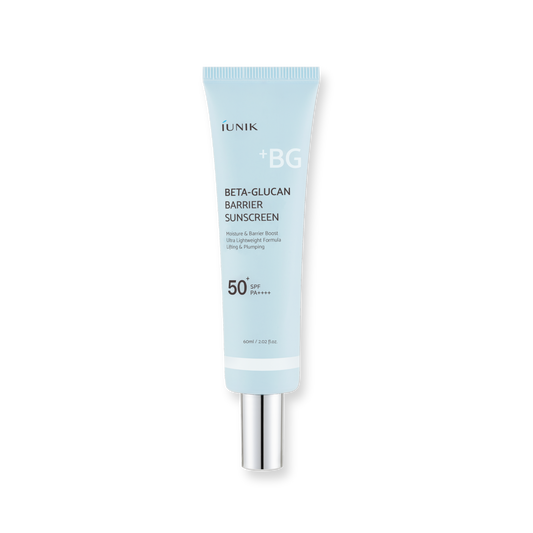
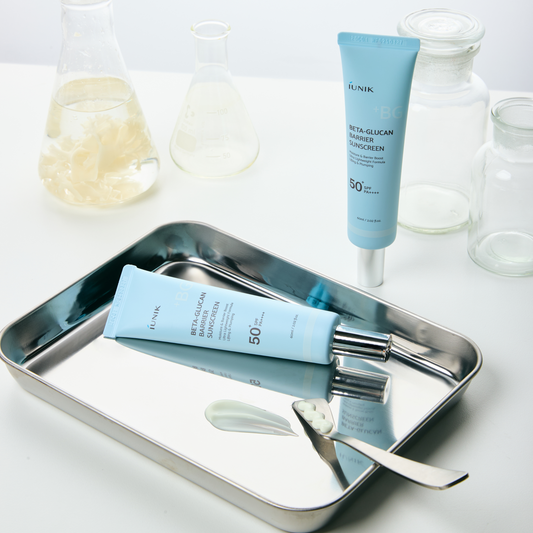
Beta Glucan Barrier Sunscreen
Firming sun defense SPF
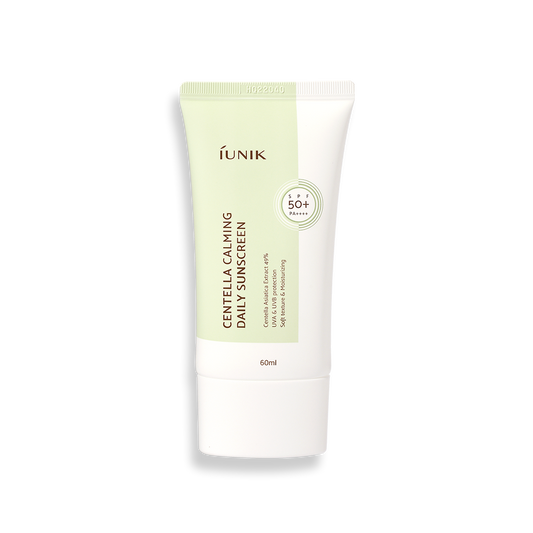
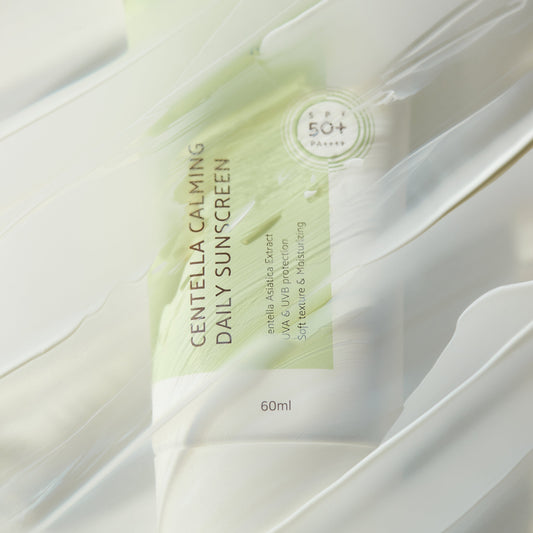
Centella Calming Daily Sunscreen
Calming sun care SPF

Fix Two: Anchor It to Something You Already Do
Habits stick when they're tied to existing ones. The neuroscience term is "habit stacking" — the practical version is putting your sunscreen next to your toothbrush, or your coffee machine, or whatever you reliably do every morning without thinking.
The trigger isn't "I should put on sunscreen." It's "I just brushed my teeth, the sunscreen lives here, so I put it on now."
A few that work in practice:
- Sunscreen kept on the bathroom counter next to the toothbrush, so it's the next thing you reach for after brushing.
- A second sunscreen in the kitchen for the days you start with coffee and read your phone before going back upstairs to do skincare. Apply it while the kettle boils.
- A travel-size or stick format in your bag or by the front door, so the days you've genuinely skipped have a backup plan you can deploy before leaving the house.
- A reminder linked to a fixed event — putting it on as the last thing before you sit down at your desk in the morning, or before the first work call.
The specifics don't matter. What matters is that you stop relying on willpower or memory and start relying on environment.
Fix Three: Solve the Indoor Day Problem
The "I'm not really going outside" reasoning is the easiest one to push back on, because the answer is just: yes, but the UV is still reaching you.
UVA passes through window glass. If you sit by a window for any meaningful portion of the day, you're getting UV exposure that's contributing to long-term damage. Cars, trains, kitchens with skylights, home offices with bright windows — none of these are SPF-free environments.
The mental shift that works: SPF isn't about whether you're going outside. It's about whether you'd be comfortable having the same UV exposure on your skin for a decade without protection. The answer is almost always no, regardless of how much of that day is technically indoors.
If you genuinely spend 100% of your day in a windowless room — fine, skip it. For everyone else, the indoor-day exception isn't an exception.

Fix Four: Build a Reapplication You'll Actually Do
This is where most people's SPF routine falls apart. Morning application is the habit; reapplication isn't.
The realistic version, for non-beach days: if you're outside for more than an hour during peak UV, reapply. If you're inside most of the day, morning application is enough. That's it. You don't need to reapply at 11 a.m. just because you've read that you should.
For the times when reapplication is genuinely needed, the format matters. A pump sunscreen you can't apply over makeup is a sunscreen you won't reapply. A stick or a fine mist is easier — and a lightweight water-texture SPF like the Sun Water can be pressed (not rubbed) over makeup in small amounts without disturbing it, which makes it one of the few traditional formats that genuinely re-applies cleanly.
Keep the reapplication product somewhere you'll see it. Bag, car, desk drawer. If you have to remember to bring it from home each day, you won't.
Fix Five: Make It Year-Round, Quietly
The "summer only" habit is the one that does the most cumulative damage, because it's the one most people don't notice. SPF in July, no SPF in November — repeated across years — adds up to a substantial amount of unprotected exposure during the months you don't think you needed it.
The fix is to stop framing sunscreen as a summer product. It's the last step of your morning routine, every morning, regardless of season. The dose can shift — you can use a lighter texture in winter if a richer formula feels redundant under a heavy moisturiser — but the step itself doesn't disappear.
When sunscreen becomes a year-round step the same way moisturiser is, the habit becomes invisible. You're not deciding whether to do it each morning; you're just doing it.
The Realistic Version
The SPF habit that actually holds isn't built on willpower. It's built on:
A texture you genuinely don't mind wearing, every day, in the climate you actually live in
A physical location in your morning that ties application to something you reliably do
A mental shift that includes indoor days as SPF days
A reapplication plan only when it's really needed — not aspirational, just realistic
A year-round step you don't have to renegotiate every November
That's the routine that doesn't quietly collapse in October. That's summer skin starting now, and holding through every season after.