


The Clear Concern: Why September Beats July for Treating Spots
The worst time to treat a dark spot is while you are still making it.
Through July and August, your skin was producing melanin faster than any product could clear it, under daily UV that undoes the work between applications. People start pigment routines in summer, see nothing for six weeks, and conclude the product failed.
It did not fail. It was outnumbered.
September reverses the arithmetic, and it does so for a short window. Here is what changes, and what to do with it.
The Clear Concern: Why September Beats July for Treating Spots
The worst time to treat a dark spot is while you are still making it.
Through July and August, your skin was producing melanin faster than any product could clear it, under daily UV that undoes the work between applications. People start pigment routines in summer, see nothing for six weeks, and conclude the product failed.
It did not fail. It was outnumbered.
September reverses the arithmetic, and it does so for a short window. Here is what changes, and what to do with it.

The Pigment You Are Seeing Is Two Months Old
Melanin is produced in the basal layer, at the bottom of the epidermis, and travels upward as skin cells turn over. On adult skin that trip takes roughly six to eight weeks.
So the spots arriving now were made in July. This is why September feels like a sudden deterioration when nothing about your routine changed. Nothing did change. You are watching a delivery.
The useful part is what it tells you about timing. Pigment that has just reached the surface has not yet consolidated. It is the most movable it will ever be.

UV Load Drops, So Treatment Finally Outpaces Production
Every pigment active works by the same basic logic: clear or suppress more melanin than the skin is currently producing. In summer that margin is close to zero, whatever is in the bottle.
From September the daily UV load falls, production slows, and the same product suddenly has room to work. The formula did not get stronger. The opposing force got weaker.
This is also why people who quit a pigment serum in August and restart in October often decide the second bottle was better. It was the same bottle.
Do this instead: start the active now, while the margin is in your favor. The Azelaic Acid Lacto PDRN Serum is the one to begin with if your marks sit where you also get congestion, because azelaic works on pigment and breakouts through the same mechanism rather than needing two products layered on inflamed skin. Twice a week to start, then build.

Your Skin Can Tolerate More Than It Could in August
The third change is the one nobody plans for. After a summer of heat, sweat and friction, most skin is sitting in low-grade inflammation, and inflamed skin cannot take a pigment active. That is the practical ceiling on every summer attempt.
Give it three or four weeks of calm and the ceiling lifts. The same serum that stung in August is tolerable in late September, which means you can actually stay on it.
This matters more than potency. Pigment routines fail on abandonment, not on formulation. The most common story is week three: skin gets irritated, the serum goes in a drawer, and the mark stays until spring.
Do this instead: pick the active your skin can live with for eight weeks, not the strongest one on the shelf. The TXA Niacinamide Narcissus PDRN Serum is the gentler route for flat brown patches and general dullness, with tranexamic acid targeting sun-driven pigment and PDRN keeping the barrier supported while it works. Consistency beats intensity here by a wide margin.
The Pigment You Are Seeing Is Two Months Old
Melanin is produced in the basal layer, at the bottom of the epidermis, and travels upward as skin cells turn over. On adult skin that trip takes roughly six to eight weeks.
So the spots arriving now were made in July. This is why September feels like a sudden deterioration when nothing about your routine changed. Nothing did change. You are watching a delivery.
The useful part is what it tells you about timing. Pigment that has just reached the surface has not yet consolidated. It is the most movable it will ever be.

And Stop Making New Ones
Treating existing marks while generating fresh ones is the reason some people never seem to get ahead of it.
Two sources keep producing. Daylight, which is why sunscreen belongs in a pigment routine year round, not seasonally. And active breakouts, because every spot that becomes inflamed leaves a mark that takes months to fade.
Do this instead: intervene before the mark exists. The Centella Calming AC Spot Cream is for the active spot, used the moment it appears rather than after it has been picked at or left to run its course. Preventing post-inflammatory pigmentation is considerably cheaper and faster than fading it.
UV Load Drops, So Treatment Finally Outpaces Production
Every pigment active works by the same basic logic: clear or suppress more melanin than the skin is currently producing. In summer that margin is close to zero, whatever is in the bottle.
From September the daily UV load falls, production slows, and the same product suddenly has room to work. The formula did not get stronger. The opposing force got weaker.
This is also why people who quit a pigment serum in August and restart in October often decide the second bottle was better. It was the same bottle.
Do this instead: start the active now, while the margin is in your favor. The Azelaic Acid Lacto PDRN Serum is the one to begin with if your marks sit where you also get congestion, because azelaic works on pigment and breakouts through the same mechanism rather than needing two products layered on inflamed skin. Twice a week to start, then build.
Your Skin Can Tolerate More Than It Could in August
The third change is the one nobody plans for. After a summer of heat, sweat and friction, most skin is sitting in low-grade inflammation, and inflamed skin cannot take a pigment active. That is the practical ceiling on every summer attempt.
Give it three or four weeks of calm and the ceiling lifts. The same serum that stung in August is tolerable in late September, which means you can actually stay on it.
This matters more than potency. Pigment routines fail on abandonment, not on formulation. The most common story is week three: skin gets irritated, the serum goes in a drawer, and the mark stays until spring.
Do this instead: pick the active your skin can live with for eight weeks, not the strongest one on the shelf. The TXA Niacinamide Narcissus PDRN Serum is the gentler route for flat brown patches and general dullness, with tranexamic acid targeting sun-driven pigment and PDRN keeping the barrier supported while it works. Consistency beats intensity here by a wide margin.
And Stop Making New Ones
Treating existing marks while generating fresh ones is the reason some people never seem to get ahead of it.
Two sources keep producing. Daylight, which is why sunscreen belongs in a pigment routine year round, not seasonally. And active breakouts, because every spot that becomes inflamed leaves a mark that takes months to fade.
Do this instead: intervene before the mark exists. The Centella Calming AC Spot Cream is for the active spot, used the moment it appears rather than after it has been picked at or left to run its course. Preventing post-inflammatory pigmentation is considerably cheaper and faster than fading it.
So Where Are You?
Quick version.
If you are only worried about what the sun will do, you need the SPF and you need to reapply it.
If you are hot, oily and congested by evening, that is heat, not UV. Cool it.
If your skin has turned reactive and stays red, that is this summer’s bill arriving. Calm it, and do not add anything strong for a month.
Most people wearing sunscreen daily are dealing with the second and third at once, which is why the sunscreen alone stops feeling like enough around now.
The Window, Specifically
Quick version.
Pigment surfacing now was made in July, and it is at its most treatable.
Falling UV means your active finally outpaces production.
Calmer skin means you can stay on the routine long enough to finish it.
All three are true at once for roughly the next two months. By midwinter the marks have settled, and the same routine takes longer for less.
The Takeaway
Sunscreen is the only product in your routine that works on the future. Everything else works on the skin you currently have.
If you bought SPF and your skin still feels sun-stressed, nothing has failed. You have covered the prevention and left the aftermath untreated, and the aftermath is what you are looking at in the mirror.
The Takeaway
July is when pigment is made. September is when it can be moved.
Start now, go slowly, and judge it in eight weeks rather than two. The spots you treat this autumn are the ones you will not be looking at next spring.


Azelaic Acid Lacto PDRN Serum
Calm Redness, Strengthen Barrier


TXA Niacinamide Narcissus PDRN Serum
Fade Spots, Brighten Tone
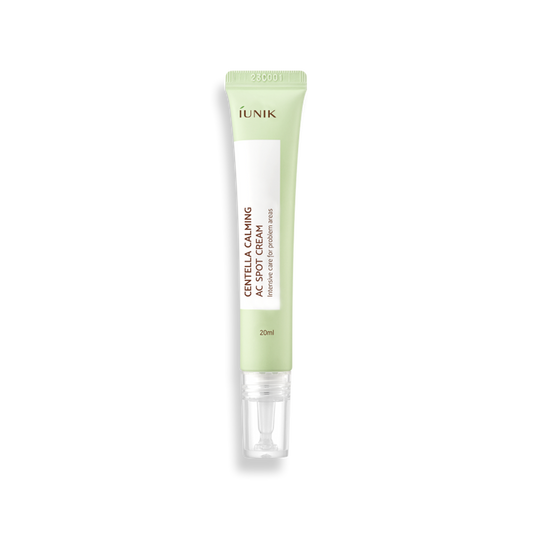
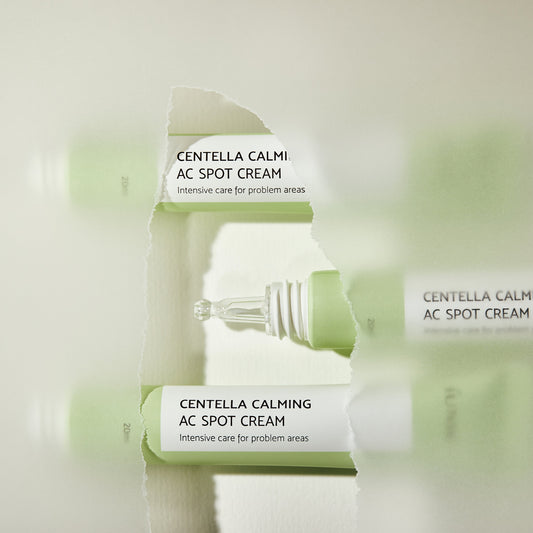
Centella Calming AC Spot Cream
Targeted blemish relief cream