


The Step Everyone Skips: What Your Cleanser Decides
People will research a serum for three weeks. Read the ingredient list, compare percentages, watch a dermatologist explain it on YouTube, then spend twenty-five pounds with real confidence.
The cleanser that serum goes on top of was whatever came up first, or was on offer, or has been in the shower since 2023.
Nobody skips washing their face. What gets skipped is ever thinking about it — which is a problem, because the cleanser decides the conditions every other product in your routine has to work in.
The Only Step That Subtracts
Every other product you own adds something. Hydration, actives, oils, protection.
Cleansing is the only step that takes things away, and it can't perfectly distinguish between what you want gone and what you need to keep. Sunscreen, sebum, pollution and sweat come off. So, if the cleanser is too aggressive, do the lipids holding your barrier together.
That makes it the only step capable of undoing the other four. A serum that can't reach past a stripped barrier isn't going to perform, no matter what's in it.
The Step Everyone Skips: What Your Cleanser Decides
People will research a serum for three weeks. Read the ingredient list, compare percentages, watch a dermatologist explain it on YouTube, then spend twenty-five pounds with real confidence.
The cleanser that serum goes on top of was whatever came up first, or was on offer, or has been in the shower since 2023.
Nobody skips washing their face. What gets skipped is ever thinking about it — which is a problem, because the cleanser decides the conditions every other product in your routine has to work in.
The Only Step That Subtracts
Every other product you own adds something. Hydration, actives, oils, protection.
Cleansing is the only step that takes things away, and it can't perfectly distinguish between what you want gone and what you need to keep. Sunscreen, sebum, pollution and sweat come off. So, if the cleanser is too aggressive, do the lipids holding your barrier together.
That makes it the only step capable of undoing the other four. A serum that can't reach past a stripped barrier isn't going to perform, no matter what's in it.

You're Judging It on the Wrong Moment
Most people rate a cleanser on how their skin feels the second they've patted it dry. Clean, tight, squeaky — that reads as effective.
That tight feeling is the problem, not the proof. Skin that's genuinely well-cleansed feels like nothing in particular. Tightness means the surface lipids went down the sink alongside the day's grime, and your skin is now busy rebuilding instead of getting on with anything useful.
The honest test is ten minutes later. Comfortable skin, with whatever you apply next sinking in easily, means the cleanser did its job. Tight skin that relaxes only once the moisturiser goes on means your moisturiser is spending its whole shift on repair work.
When a Cleanser Fails, You Blame the Wrong Product
This is why bad cleansers survive for years in a routine.
Your serum starts stinging, so you decide the active is too strong and stop using it. Your moisturiser stops holding, so you buy a richer one. Your skin gets oily by lunchtime, so you cleanse harder, which strips more, which produces more oil.
None of those are the actual fault. The cause is two steps upstream, and it never gets suspected because the step feels too basic to be responsible.

Autumn Changes What You Need From It
Summer skin runs oilier. Most people move to something more clarifying in June and simply never move back.
By September your skin is producing less oil, the air is pulling more water out of it, and — after two months of UV, sweat and daily SPF — the barrier is usually already depleted before you've washed anything. The cleanser that felt right in July is now taking more than there is to spare.
If you change one thing this month, it's a reasonable candidate.
Three Cleansers, Three Different Jobs

Calendula Complete Cleansing Oil
Sunscreen is designed to stay put, which is precisely what makes water and foam insufficient to shift it. An oil cleanse dissolves it properly. Calendula is the gentler option for skin that's turned reactive after summer, which is most people's skin right now. (The full case for cleansing twice in the evening is in our double cleansing guide — the short version is that if you wore SPF, you need this step.)

the Centella Mild Cleansing Foam
The one to use if your skin has gone touchy, or if you've read the tightness test above and recognised yourself. Gentle enough for twice daily, with centella working on the reactivity rather than adding to it.

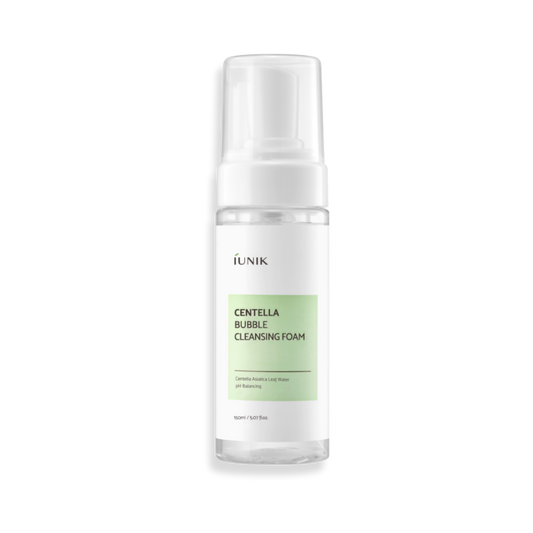
the Centella Bubble Cleansing Foam
A finer, more thorough clear-out for skin dealing with blackheads and texture after a summer of oil and sunscreen. Worth knowing that this is the right answer to congestion rather than scrubbing — mechanical exfoliation on post-summer skin darkens marks and slows their fading.
You're Judging It on the Wrong Moment
Most people rate a cleanser on how their skin feels the second they've patted it dry. Clean, tight, squeaky — that reads as effective.
That tight feeling is the problem, not the proof. Skin that's genuinely well-cleansed feels like nothing in particular. Tightness means the surface lipids went down the sink alongside the day's grime, and your skin is now busy rebuilding instead of getting on with anything useful.
The honest test is ten minutes later. Comfortable skin, with whatever you apply next sinking in easily, means the cleanser did its job. Tight skin that relaxes only once the moisturiser goes on means your moisturiser is spending its whole shift on repair work.
When a Cleanser Fails, You Blame the Wrong Product
This is why bad cleansers survive for years in a routine.
Your serum starts stinging, so you decide the active is too strong and stop using it. Your moisturiser stops holding, so you buy a richer one. Your skin gets oily by lunchtime, so you cleanse harder, which strips more, which produces more oil.
None of those are the actual fault. The cause is two steps upstream, and it never gets suspected because the step feels too basic to be responsible.
Autumn Changes What You Need From It
Summer skin runs oilier. Most people move to something more clarifying in June and simply never move back.
By September your skin is producing less oil, the air is pulling more water out of it, and — after two months of UV, sweat and daily SPF — the barrier is usually already depleted before you've washed anything. The cleanser that felt right in July is now taking more than there is to spare.
If you change one thing this month, it's a reasonable candidate.
Three Cleansers, Three Different Jobs
Calendula Complete Cleansing Oil
Sunscreen is designed to stay put, which is precisely what makes water and foam insufficient to shift it. An oil cleanse dissolves it properly. Calendula is the gentler option for skin that's turned reactive after summer, which is most people's skin right now. (The full case for cleansing twice in the evening is in our double cleansing guide — the short version is that if you wore SPF, you need this step.)
the Centella Mild Cleansing Foam
The one to use if your skin has gone touchy, or if you've read the tightness test above and recognised yourself. Gentle enough for twice daily, with centella working on the reactivity rather than adding to it.
the Centella Bubble Cleansing Foam
A finer, more thorough clear-out for skin dealing with blackheads and texture after a summer of oil and sunscreen. Worth knowing that this is the right answer to congestion rather than scrubbing — mechanical exfoliation on post-summer skin darkens marks and slows their fading.
Three Signs Yours Is Wrong
Quick self-check.
Products you've used happily for years have started stinging or tingling.
Whatever you apply after cleansing sits on the surface, pills, or takes ages to sink in.
You're noticeably oilier by midday than you were a few months ago, despite washing more.
Any of those, and it's worth looking at the first step before you replace anything further down the routine.
So Which One Are You?
Quick version.
If products sting that never used to, you're inflamed. Calm it.
If your skin feels tight no matter how much you apply, you're depleted. Seal it.
If spots and marks have surfaced, you're seeing July. Treat it, slowly.
Most people are two of the three. Start with the barrier — a depleted barrier is usually what's driving the reactivity, and every active works better on skin that's holding water properly.
The Takeaway
The cleanser sets the state your skin is in when everything else arrives. Get it wrong and the rest of your routine spends its effort repairing rather than improving, and you'll never quite work out why.
It's the cheapest part of a routine to fix and the one with the most riding on it.
The Takeaway
September skin looks like a sudden problem and behaves like an old one. Almost everything you're seeing was set in motion weeks ago, which means the useful response is rarely the dramatic one.
Do less, more deliberately, and give it until the clocks change before you judge it.


Beta-Glucan Barrier Ampoule Cleanser
Moisture Barrier Care, Starting at the Cleansing Step


Beta-Glucan All In One Gentle Wash
An all-in-one wash that gently cleanses with a rich, creamy lather.
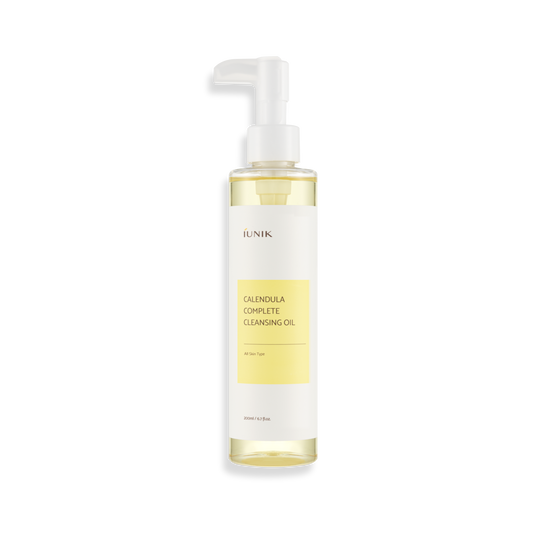
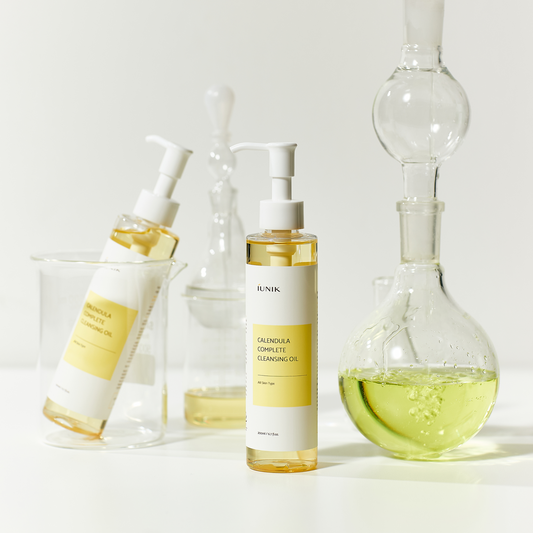
Calendula Complete Cleansing Oil
Sensitive skin cleansing oil
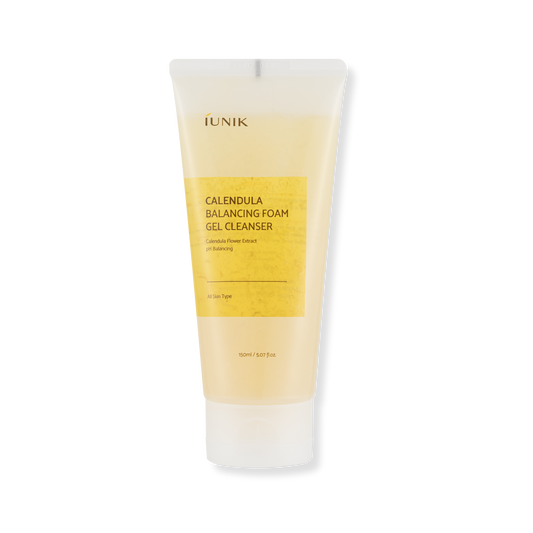
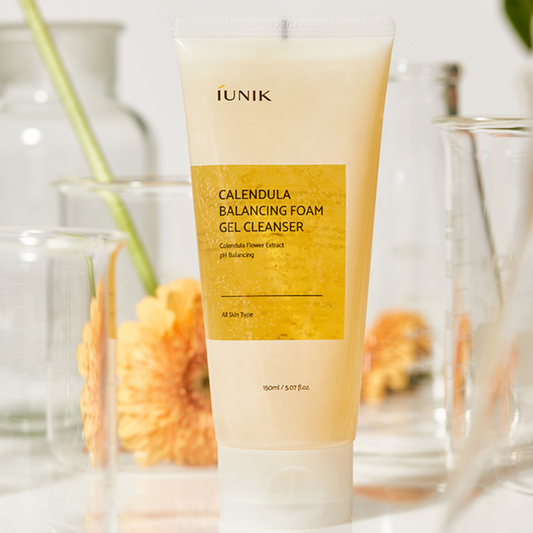
Calendula Balancing Foam Gel Cleanser
Balancing daily cleanse gel
Centella Bubble Cleansing Foam
Gentle bubble wash cleanser
Centella Green Fresh Cleansing Oil
Fresh, plant-powered cleansing oil
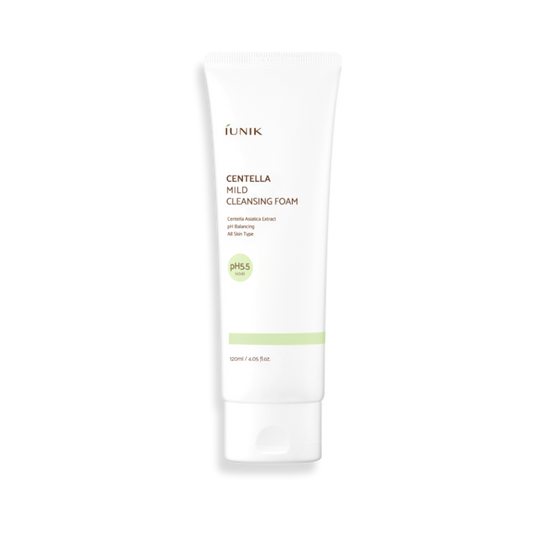
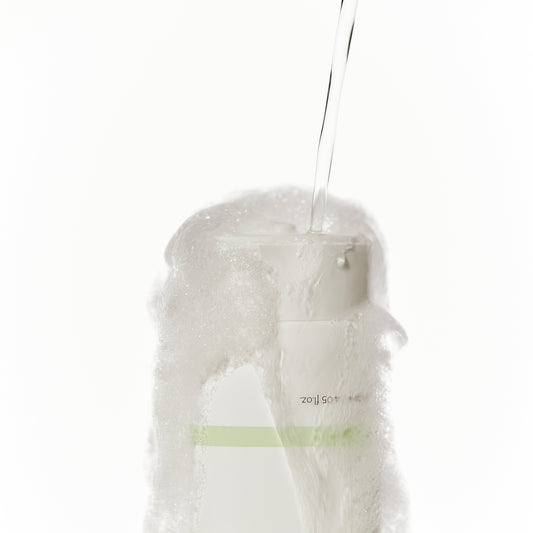
Centella Mild Cleansing Foam
Gentle pore care cleansing foam
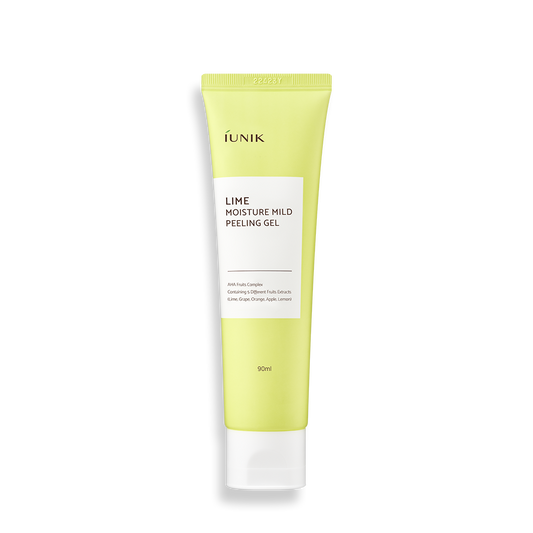
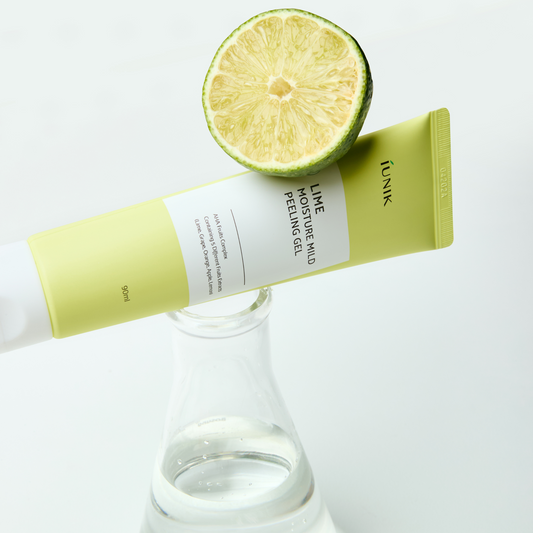
Lime Moisture Mild Peeling Gel
Smooth + fresh skin peeling gel
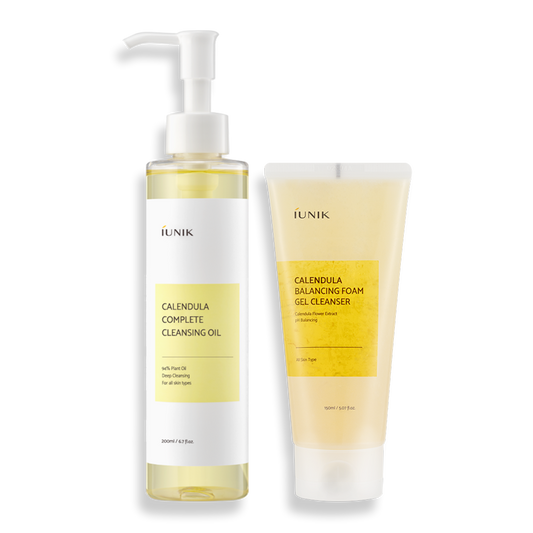
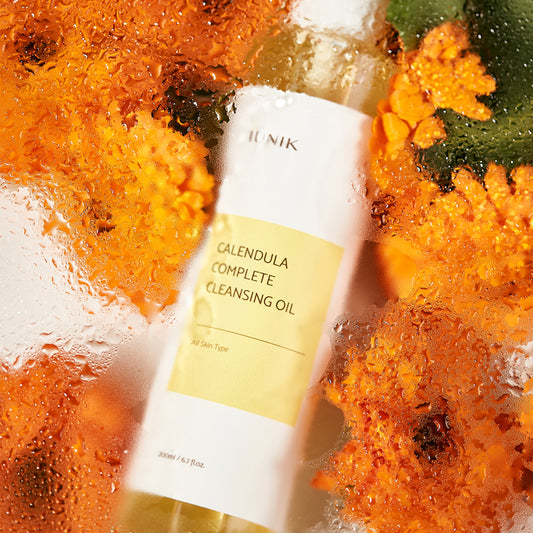
Calendula Double Cleansing Duo
Gentle deep cleansing
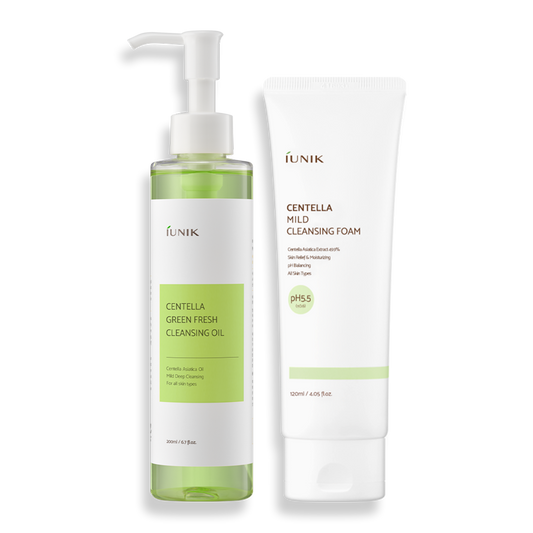
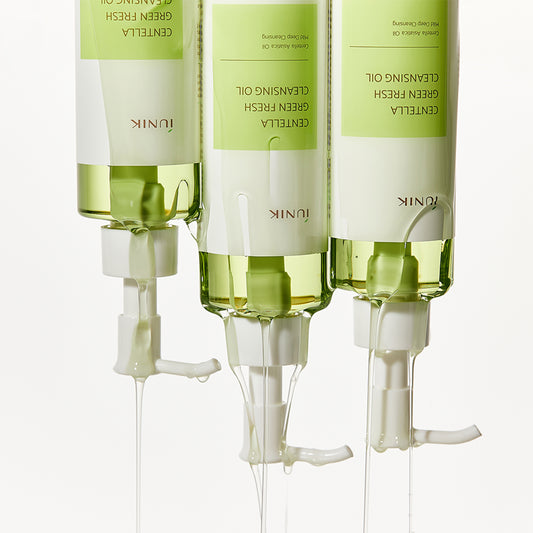
Centella Double Cleansing Duo
Soothing pore cleanse