


Three Ways Post-Summer Skin Goes Wrong
Something shifts in September. Skin that coped all summer starts misbehaving, and the response is almost always one of three things — each of which makes it worse.
Here's the honest version of what's happening, and what to do instead.
Three Ways Post-Summer Skin Goes Wrong
Something shifts in September. Skin that coped all summer starts misbehaving, and the response is almost always one of three things — each of which makes it worse.
Here's the honest version of what's happening, and what to do instead.

Mistake One: Reaching for Something Stronger
Your skin has gone touchy. It flushes easily, stings at things it never used to, and goes blotchy in a warm room. So you assume it needs treating, and you reach for a stronger product to sort it out.
What's actually going on is a summer's worth of low-grade inflammation that never fully resolved. Heat, UV, sweat and friction kept your skin mildly provoked for months, and it hasn't come back down.
Adding a stronger active to inflamed skin is pouring fuel on it. Reactive skin doesn't need correcting — it needs a few weeks of nothing being asked of it.
Do this instead: strip the routine back and let something calming do the work. The Centella Calming Gel Cream is the right texture for this stretch, light enough for skin still running oily from summer, with centella doing what it's genuinely good at. Give it three or four weeks before you introduce anything demanding.

Mistake Two: Piling On More Moisturizer
Your skin feels tight by evening. Products sit on top instead of sinking in. There are fine lines that weren't there in July, and you're fairly sure you've aged.
You haven't. You're dehydrated, and the reason is that summer stripped your barrier while hiding the evidence — humid air was slowing water loss, so skin could be genuinely depleted and still feel fine. Then the humidity dropped and the deficit showed up all at once.
The instinctive fix is more product. Another hydrating serum, a mist through the day, a lighter cream layered twice. All of it evaporates, because water applied to a leaking barrier leaves faster than you can replace it.
Do this instead: one properly occlusive layer beats three light ones. The Beta Glucan 3X Barrier Cream seals the hydration in rather than adding more that runs off, holding it through central heating and cold air. Those fine lines usually soften within a fortnight, which tells you what they were.

Mistake Three: Trying to Scrub It Off
Dark spots have appeared. Tone is uneven, texture is rough, and there are marks left from breakouts that healed weeks ago. It reads as build-up, so you exfoliate.
That pigment isn't sitting on the surface. Melanin your skin made in July has spent the last two months travelling up through the epidermis, and it's arriving now. Scrubbing at it reaches nothing, and on skin already inflamed from summer it makes the marks darker and slower to fade.
Post-inflammatory pigmentation gets worse with irritation. Exfoliating aggressively is the single most reliable way to keep a mark for six months instead of two.
Do this instead: treat it chemically and gently. The Azelaic Acid Lacto PDRN Serum works on pigment and congestion at the same time without abrasion, which suits skin dealing with spots and marks in the same places. Introduce it slowly — twice a week to start — and give it eight weeks.
Mistake One: Reaching for Something Stronger
Your skin has gone touchy. It flushes easily, stings at things it never used to, and goes blotchy in a warm room. So you assume it needs treating, and you reach for a stronger product to sort it out.
What's actually going on is a summer's worth of low-grade inflammation that never fully resolved. Heat, UV, sweat and friction kept your skin mildly provoked for months, and it hasn't come back down.
Adding a stronger active to inflamed skin is pouring fuel on it. Reactive skin doesn't need correcting — it needs a few weeks of nothing being asked of it.
Do this instead: strip the routine back and let something calming do the work. The Centella Calming Gel Cream is the right texture for this stretch, light enough for skin still running oily from summer, with centella doing what it's genuinely good at. Give it three or four weeks before you introduce anything demanding.
Mistake Two: Piling On More Moisturizer
Your skin feels tight by evening. Products sit on top instead of sinking in. There are fine lines that weren't there in July, and you're fairly sure you've aged.
You haven't. You're dehydrated, and the reason is that summer stripped your barrier while hiding the evidence — humid air was slowing water loss, so skin could be genuinely depleted and still feel fine. Then the humidity dropped and the deficit showed up all at once.
The instinctive fix is more product. Another hydrating serum, a mist through the day, a lighter cream layered twice. All of it evaporates, because water applied to a leaking barrier leaves faster than you can replace it.
Do this instead: one properly occlusive layer beats three light ones. The Beta Glucan 3X Barrier Cream seals the hydration in rather than adding more that runs off, holding it through central heating and cold air. Those fine lines usually soften within a fortnight, which tells you what they were.
Mistake Three: Trying to Scrub It Off
Dark spots have appeared. Tone is uneven, texture is rough, and there are marks left from breakouts that healed weeks ago. It reads as build-up, so you exfoliate.
That pigment isn't sitting on the surface. Melanin your skin made in July has spent the last two months travelling up through the epidermis, and it's arriving now. Scrubbing at it reaches nothing, and on skin already inflamed from summer it makes the marks darker and slower to fade.
Post-inflammatory pigmentation gets worse with irritation. Exfoliating aggressively is the single most reliable way to keep a mark for six months instead of two.
Do this instead: treat it chemically and gently. The Azelaic Acid Lacto PDRN Serum works on pigment and congestion at the same time without abrasion, which suits skin dealing with spots and marks in the same places. Introduce it slowly — twice a week to start — and give it eight weeks.
So Which One Are You?
Quick version.
If products sting that never used to, you're inflamed. Calm it.
If your skin feels tight no matter how much you apply, you're depleted. Seal it.
If spots and marks have surfaced, you're seeing July. Treat it, slowly.
Most people are two of the three. Start with the barrier — a depleted barrier is usually what's driving the reactivity, and every active works better on skin that's holding water properly.
So Which One Are You?
Quick version.
If products sting that never used to, you're inflamed. Calm it.
If your skin feels tight no matter how much you apply, you're depleted. Seal it.
If spots and marks have surfaced, you're seeing July. Treat it, slowly.
Most people are two of the three. Start with the barrier — a depleted barrier is usually what's driving the reactivity, and every active works better on skin that's holding water properly.
The Takeaway
September skin looks like a sudden problem and behaves like an old one. Almost everything you're seeing was set in motion weeks ago, which means the useful response is rarely the dramatic one.
Do less, more deliberately, and give it until the clocks change before you judge it.
The Takeaway
September skin looks like a sudden problem and behaves like an old one. Almost everything you're seeing was set in motion weeks ago, which means the useful response is rarely the dramatic one.
Do less, more deliberately, and give it until the clocks change before you judge it.

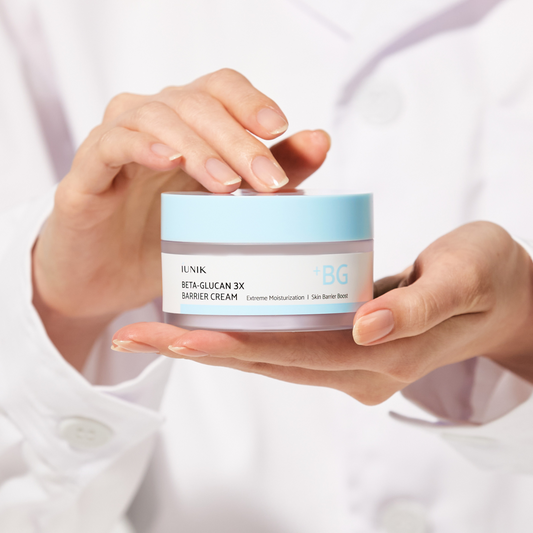
Beta Glucan 3X Barrier Cream
Triple barrier repair cream
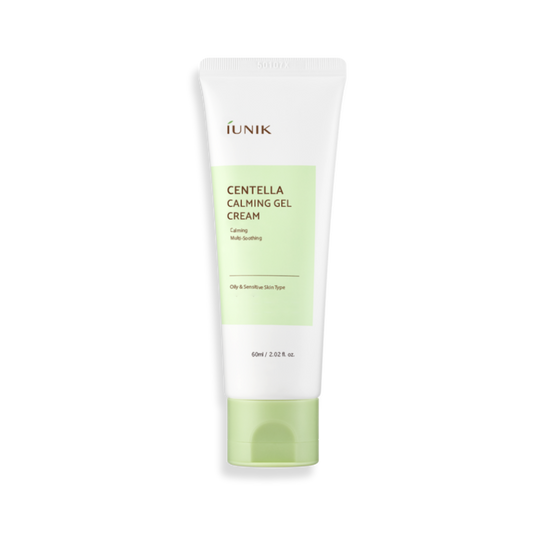
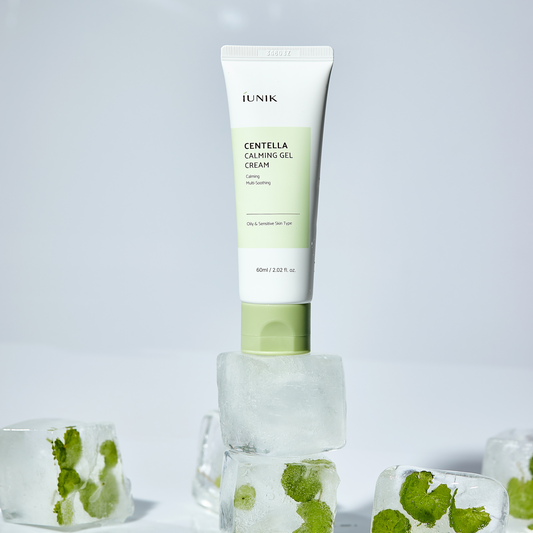
Centella Calming Gel Cream
Soothing gel hydration cream


Azelaic Acid Lacto PDRN Serum
Calm Redness, Strengthen Barrier