


What Summer Actually Did: The Three Ways September Skin Shows Up
Ask five people what's wrong with their skin in September and you'll get five different answers. One is breaking out. One has gone red and touchy. One says everything feels tight no matter how much moisturiser goes on. One has spots that weren't there in June.
They're describing the same summer. Heat, UV, sweat, air conditioning and a lot of sunscreen do consistent things to skin — the differences show up in which part of your skin gave way first.
There are broadly three ways it lands, and knowing which one you're looking at is what decides where to start.
What Summer Actually Did: The Three Ways September Skin Shows Up
Ask five people what's wrong with their skin in September and you'll get five different answers. One is breaking out. One has gone red and touchy. One says everything feels tight no matter how much moisturiser goes on. One has spots that weren't there in June.
They're describing the same summer. Heat, UV, sweat, air conditioning and a lot of sunscreen do consistent things to skin — the differences show up in which part of your skin gave way first.
There are broadly three ways it lands, and knowing which one you're looking at is what decides where to start.

One: Skin That's Turned Reactive
What summer did. Months of low-grade inflammation. Heat dilates blood vessels, UV provokes an immune response, sweat and friction keep the surface irritated, and none of it fully resolves between exposures. Skin spends the season slightly inflamed and adapts to it.
How it shows now. Flushing that takes longer to settle than it used to. Products you've used for years suddenly sting. Skin that goes blotchy in a warm room or after a shower. A general sense that your face has become touchy about things it never used to mind.
Where to start: the Centella Calming Collection. Centella is the ingredient with the longest track record for exactly this — calming an inflammatory response rather than treating a specific lesion. The Centella Calming Gel Cream is the useful texture for early autumn, light enough for skin that's still oily from summer, and the Tea Tree Relief Toner settles things at the first step so nothing after it lands on raw skin. The Centella Mild Cleansing Foam matters more than it sounds, since over-cleansing is often what keeps reactive skin reactive.

Two: Skin That's Been Quietly Emptied
What summer did. Stripped the barrier while hiding the evidence. Humid air slows water loss from the surface, so skin can be genuinely depleted underneath and still feel comfortable. Meanwhile frequent cleansing, chlorine, salt, UV and hours of air conditioning wore down the lipids holding everything together.
How it shows now. Tightness in the evenings. Products sitting on the surface instead of sinking in. Fine lines that turn out to be dehydration rather than age. A dullness that no amount of exfoliating fixes, because exfoliating is part of what caused it.
Where to start: the Beta Glucan Barrier Collection. Beta-glucan holds water in the skin and supports repair without adding an active to argue with. The Beta Glucan Power Moisture Serum goes underneath whatever else you're using and replaces the humidity your environment stopped providing. For the cream step there's a natural progression — the Beta Glucan Daily Moisture Cream through the early transition, stepping up to the Beta Glucan 3X Barrier Cream when it properly turns cold.

Three: Skin That's Showing the Marks
What summer did. Made pigment you couldn't see yet, and left behind the aftermath of summer breakouts. Melanin produced in July takes weeks to travel up to the visible surface, and post-acne marks from August congestion darken before they fade.
How it shows now. Dark spots that seem to have appeared overnight. Uneven tone across the cheeks and forehead. Marks left from breakouts that healed weeks ago. Texture and congestion from a summer of sweat, oil and sunscreen sitting on skin all day.
Where to start: the Advanced Treatment Collection. This is the corrective end of the range. The TXA Niacinamide Narcissus PDRN Serum handles pigment and uneven tone, the Azelaic Acid Lacto PDRN Serum covers redness and congestion together, and the Centella Calming AC Spot Cream deals with individual breakouts without treating your whole face as though it needed it.
One: Skin That's Turned Reactive
What summer did. Months of low-grade inflammation. Heat dilates blood vessels, UV provokes an immune response, sweat and friction keep the surface irritated, and none of it fully resolves between exposures. Skin spends the season slightly inflamed and adapts to it.
How it shows now. Flushing that takes longer to settle than it used to. Products you've used for years suddenly sting. Skin that goes blotchy in a warm room or after a shower. A general sense that your face has become touchy about things it never used to mind.
Where to start: the Centella Calming Collection. Centella is the ingredient with the longest track record for exactly this — calming an inflammatory response rather than treating a specific lesion. The Centella Calming Gel Cream is the useful texture for early autumn, light enough for skin that's still oily from summer, and the Tea Tree Relief Toner settles things at the first step so nothing after it lands on raw skin. The Centella Mild Cleansing Foam matters more than it sounds, since over-cleansing is often what keeps reactive skin reactive.
Two: Skin That's Been Quietly Emptied
What summer did. Stripped the barrier while hiding the evidence. Humid air slows water loss from the surface, so skin can be genuinely depleted underneath and still feel comfortable. Meanwhile frequent cleansing, chlorine, salt, UV and hours of air conditioning wore down the lipids holding everything together.
How it shows now. Tightness in the evenings. Products sitting on the surface instead of sinking in. Fine lines that turn out to be dehydration rather than age. A dullness that no amount of exfoliating fixes, because exfoliating is part of what caused it.
Where to start: the Beta Glucan Barrier Collection. Beta-glucan holds water in the skin and supports repair without adding an active to argue with. The Beta Glucan Power Moisture Serum goes underneath whatever else you're using and replaces the humidity your environment stopped providing. For the cream step there's a natural progression — the Beta Glucan Daily Moisture Cream through the early transition, stepping up to the Beta Glucan 3X Barrier Cream when it properly turns cold.
Three: Skin That's Showing the Marks
If you've been putting off starting a treatment serum, this is the season to do it.
Less UV, less sweat, less heat, and less of the general irritation that summer puts on skin. Actives are better tolerated, results are less likely to be undone, and you get a clean run at the eight to twelve weeks most of them need.
For redness and congestion that flared through the summer, the Azelaic Acid Lacto PDRN Serum has a much easier time of it now than it would have in July. For firmness, the Volufiline Grape PDRN Serum started in September has visible ground covered by the new year.
Something begun now has the whole of autumn to work in.
If More Than One Sounds Like You
Most people will recognize two of the three, and that's normal — they share a cause.
There's a reliable order. Start with the barrier, even when reactivity or marks are what's bothering you most, because a depleted barrier is usually what's driving the reactivity in the first place, and because every corrective active works better and stings less on skin that's properly hydrated.
Then calm, if things are still touchy after a few weeks. Then correct.
The marks are the part that can wait. They've been forming for two months already, and starting treatment a fortnight later costs you very little compared with starting it on a barrier that can't handle it.
If More Than One Sounds Like You
Most people will recognize two of the three, and that's normal — they share a cause.
There's a reliable order. Start with the barrier, even when reactivity or marks are what's bothering you most, because a depleted barrier is usually what's driving the reactivity in the first place, and because every corrective active works better and stings less on skin that's properly hydrated.
Then calm, if things are still touchy after a few weeks. Then correct.
The marks are the part that can wait. They've been forming for two months already, and starting treatment a fortnight later costs you very little compared with starting it on a barrier that can't handle it.
One Note on Timing
The repair work should start now, while the weather is still shifting. The corrective work has the whole of autumn ahead of it, and it's the best window of the year for it — less UV, less sweat, less heat undoing the progress.
There's no version of this where you need to do all three at once. Pick the description that sounded most like you, start there, and give it a few weeks before you decide what's next.
The Takeaway
September skin isn't a new problem. It's summer becoming visible, and it shows up as reactivity, depletion, or marks depending on where your skin was most stretched.
Work out which one you're looking at, and the question of what to buy answers itself.
The Takeaway
September skin isn't a new problem. It's summer becoming visible, and it shows up as reactivity, depletion, or marks depending on where your skin was most stretched.
Work out which one you're looking at, and the question of what to buy answers itself.
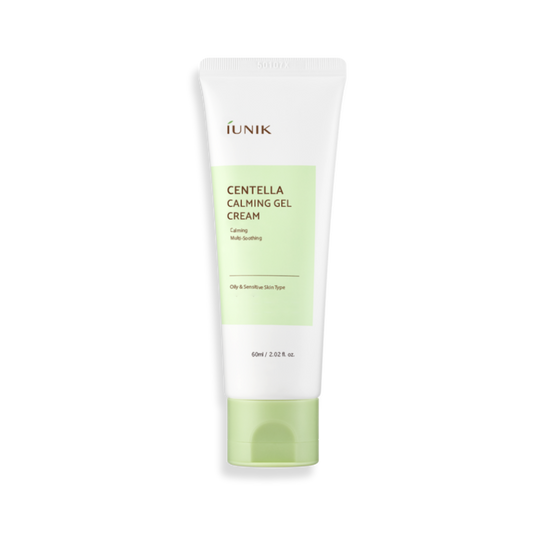
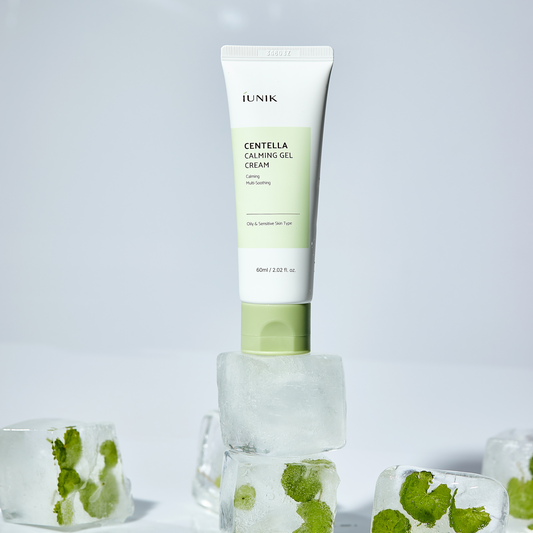
Centella Calming Gel Cream
Soothing gel hydration cream
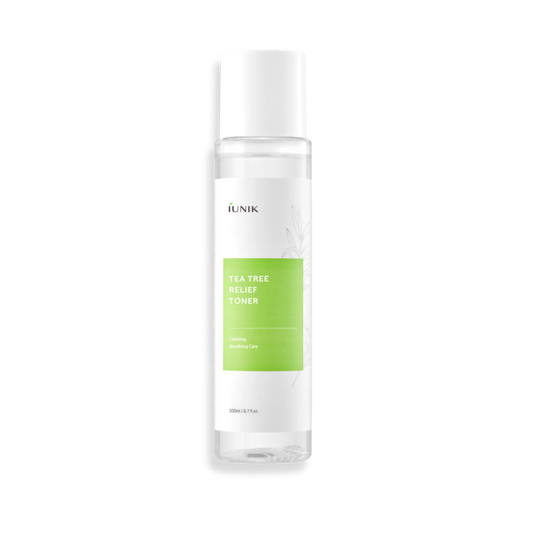
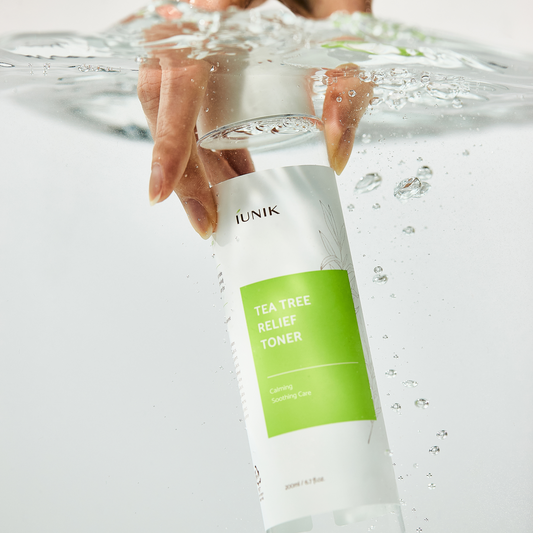
Tea Tree Relief Toner
Soothing water hydration toner
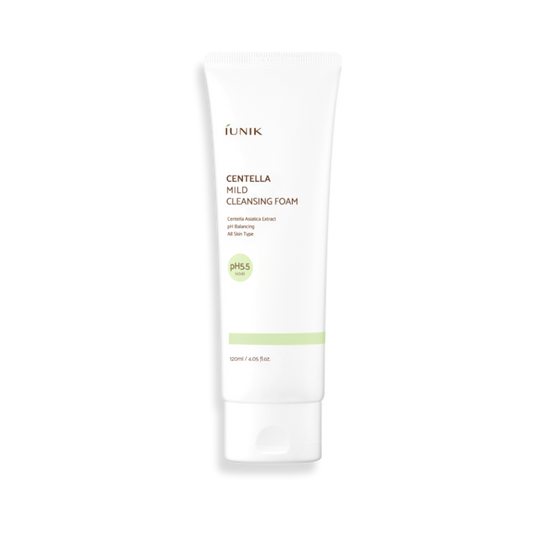
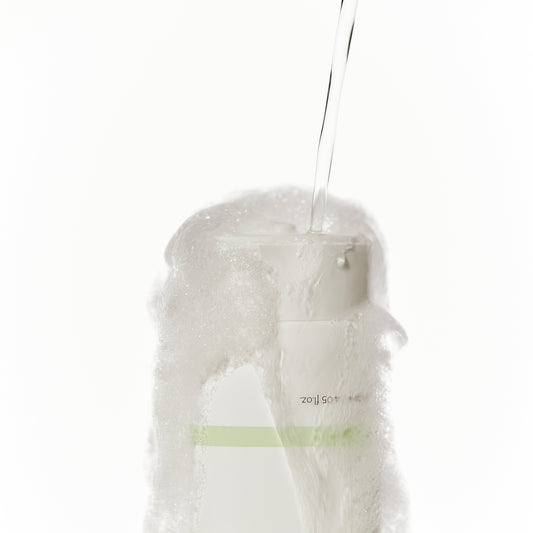
Centella Mild Cleansing Foam
Gentle pore care cleansing foam
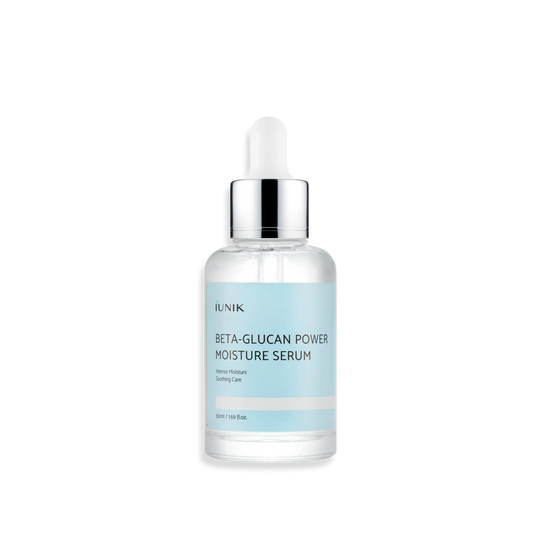

Beta Glucan Power Moisture Serum
Lightweight daily moisture serum
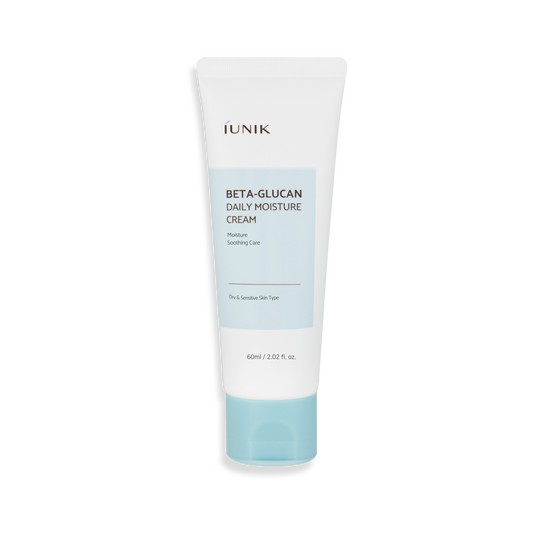

Beta Glucan Daily Moisture Cream
Lightweight daily hydration cream

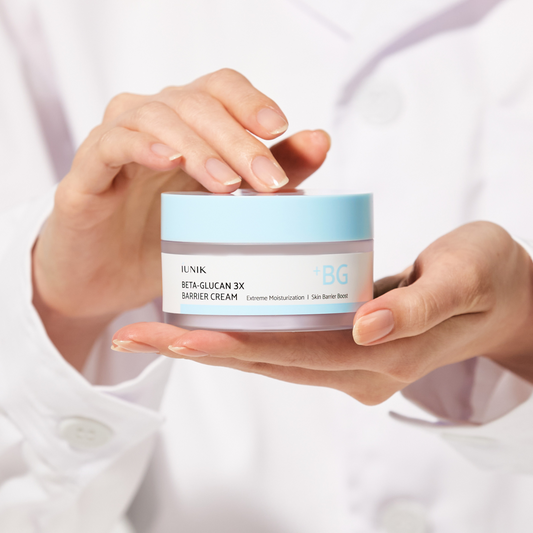
Beta Glucan 3X Barrier Cream
Triple barrier repair cream


Azelaic Acid Lacto PDRN Serum
Calm Redness, Strengthen Barrier


TXA Niacinamide Narcissus PDRN Serum
Fade Spots, Brighten Tone
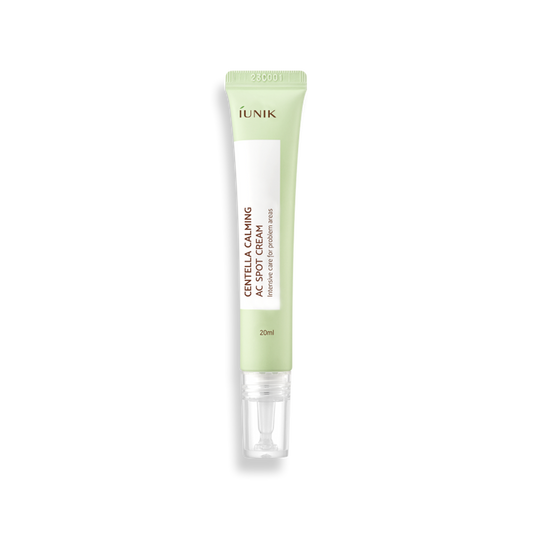
Centella Calming AC Spot Cream
Targeted blemish relief cream