

Why Your Sunscreen Pills (And How to Layer to Fix It)
You finish your skincare. You smooth on sunscreen. You give it a minute. You start applying foundation, or you rub your nose, or you put on glasses and small grey-white rolls of product start lifting off your skin like dried glue.
This is pilling, and it's the reason a lot of people stop wearing sunscreen. It's not that the product is bad. It's not that your skin is wrong. It's a layering issue, and once you understand what's actually causing it, the fix is usually quick.

What Pilling Is
Pilling happens when products on your skin don't bond — to each other, or to your skin — and instead bunch up under friction. The little rolls you're rubbing off are the products themselves, dragged out of their layers and rolled into clumps.
Three things cause it, in roughly this order of frequency:
1. Not enough absorption time between layers
2. Incompatible textures stacked on top of each other
3. Too much product overall
A fourth — physical agitation from rubbing — is what triggers the visible pilling, but it's not the underlying cause. If the layers are bonded properly, rubbing your face shouldn't dislodge them.
Most pilling is the first cause. The fix doesn't require buying anything new.
you're Not Waiting Long Enough
Skincare needs time to absorb. Not five seconds of patting and then the next layer — actual minutes. A serum applied on top of a moisturiser that's still wet doesn't sink in; it sits on top of a wet film, and the two layers slip against each other under any pressure.
Between most layers, a minute is enough. Between moisturiser and sunscreen, give it the full two. It feels like a long time when you're standing at the sink, but it's the difference between a routine that holds and a routine that rolls off your face at 9 a.m.
A practical fix: use the wait time. Brush your teeth between moisturiser and SPF. Pick out your clothes. Make coffee. The wait isn't dead time — it's the part of the routine that makes everything you've already done actually work.
Your Layers Don't Like Each Other
Some product textures genuinely don't bond well with others. The main culprits:
Silicone-heavy moisturisers under silicone-heavy sunscreens. Two products built around different silicone systems can ball up at the interface. If your moisturiser feels slippery and your sunscreen feels slippery, and they're from different brands with different formulation philosophies, they may not be compatible.
Heavy creams under any sunscreen. A rich winter cream sits as a thick layer on the skin. SPF applied on top of that doesn't penetrate to the skin — it sits on top of the cream, and the whole stack moves together when you touch it. Pilling is almost guaranteed.
Oils anywhere in the morning routine. A facial oil as the final step before SPF is a common cause. The oil prevents the sunscreen from binding properly, and the two layers separate.
Hyaluronic acid serums applied too generously. HA serums are humectant-heavy, which means they pull water. Apply too much, and you've got a tacky surface that doesn't dry down before the next layer arrives.
If you've got a chronic pilling problem and you've already tried waiting longer, look at what's underneath. The fix is usually swapping the moisturiser, not the sunscreen.
A lighter moisturiser under SPF tends to solve it. Something gel-textured, like the Centella Calming Gel Cream, absorbs quickly enough that the SPF can layer cleanly on top. The Beta Glucan Daily Moisture Cream does the same job at a slightly more emollient weight if your skin runs drier.
You're Using Too Much
This one is harder to hear because it goes against everything we're told about skincare: layer hydration, build the routine, more is more.
But four products applied at full pump, stacked on top of each other, is genuinely too much for most skin to absorb in the ten minutes between waking up and walking out the door. The lower layers don't get fully absorbed before the upper ones arrive, and the whole stack stays semi-wet and prone to pilling.
If your morning routine is essence + serum + serum + moisturiser + sunscreen, you're not doing anything wrong in principle, but your timing window has to be long. Twenty minutes minimum from cleanser to leaving the house. If you don't have that window, simplify the morning routine: pick one serum, pick one moisturiser, save the other layers for evening when there's more time.
A pared-back morning of essence, one serum, light moisturiser, sunscreen will reliably outperform a maximalist morning that doesn't have time to absorb.

How Much Sunscreen to Actually Apply
This is the other half of the pilling conversation, and it's worth being direct about: most people apply far too little sunscreen, and then when they try to apply the right amount, it pills because the formula they're using doesn't actually work at full dose.
The correct amount is roughly two finger-lengths of product for the face and neck, or about a quarter-teaspoon for the face alone. If that sounds like a lot, it is — but it's the amount the SPF rating on the bottle is based on. Apply less, and the protection you're getting is proportionally lower.
If your sunscreen pills when you apply the proper amount, the product is wrong for daily use. A sunscreen that only works at half-dose is a sunscreen that's only giving you half the protection.
This is where the texture of your SPF matters more than the SPF number on the front. The Centella Calming Daily Sun Water was built around this problem — an ultra-low-viscosity water formula with five UV filters that applies at full dose without the weight, slip, or pilling of a heavier sunscreen. The texture is closer to an essence than a traditional SPF, which is why it layers cleanly even over routines that struggle with thicker formulas.
The Centella Calming Daily Sunscreen is the cream-texture counterpart for skin that prefers a more familiar finish, and the [Beta Glucan Barrier Sunscreen](https://www.iunik.com/products/beta-glucan-barrier-sunscreen) is the option for drier skin types that want their SPF to add hydration alongside the protection.
The Quick Audit
If you're pilling regularly, work through this list in order. Most people find the answer in the first three.
1. Are you waiting two full minutes between moisturiser and SPF? If no, fix this first.
2. Is your moisturiser heavy or oil-rich? Swap to something lighter for daytime.
3. Are you using a facial oil before SPF? Move it to evenings.
4. Are you applying enough sunscreen, but it pills at full dose? The formula isn't right.
5. Is your morning routine more than four products? Simplify, or extend your timing window.
There's no virtue in a complicated morning routine that doesn't work. The aim is sunscreen on your skin at the right amount, every day, without thinking about it. Everything else is in service of that.
What Happens When It's Right
When the layering works, you stop thinking about it. Sunscreen sits cleanly on top of moisturiser. Foundation goes on over the top without pilling. You don't feel the SPF an hour later. You apply enough, every day, because nothing about the routine is fighting you.
That's the goal. Not the most products, not the most steps — just a morning that holds together long enough for you to actually leave the house wearing the protection you intended to put on.


Centella Calming Daily Sun Water
Sun-calming water shield.
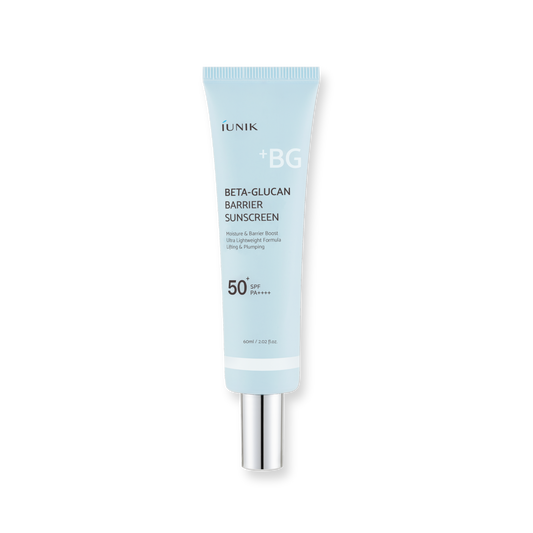
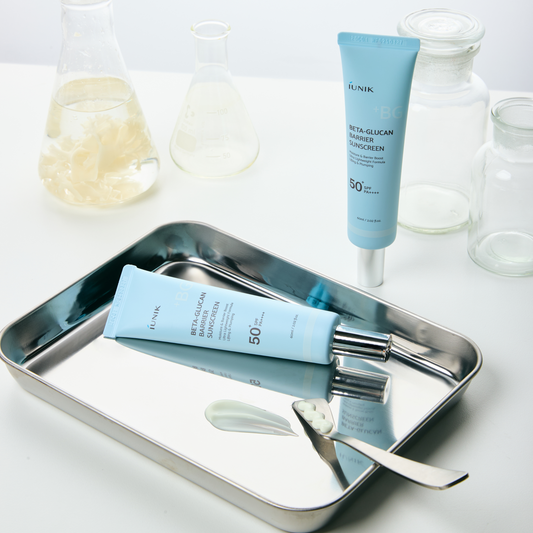
Beta Glucan Barrier Sunscreen
Firming sun defense SPF
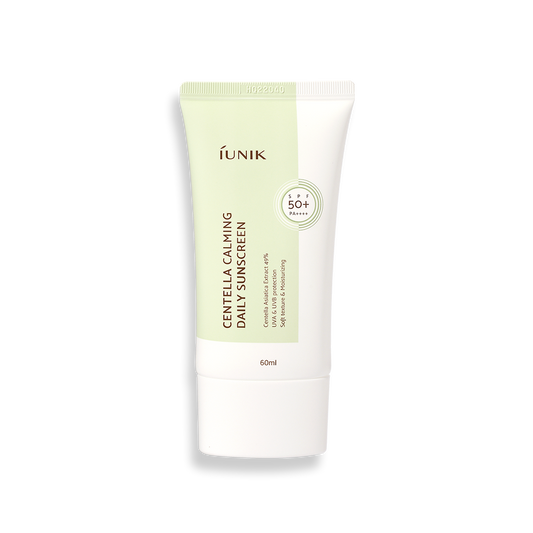
Centella Calming Daily Sunscreen
Calming sun care SPF