


Why Your Skin Is Two Months Behind
September is when the messages start. Skin that was fine all summer has gone dull, or blotchy, or tight, and nothing about the routine has changed. It feels like it happened overnight.
It didn't. Almost everything you're seeing in September was set in motion in July.
Skin runs on a delay, and it's a long one. Understanding roughly how long changes what you conclude when your face suddenly looks worse than it did a fortnight ago.
Why Your Skin Is Two Months Behind
September is when the messages start. Skin that was fine all summer has gone dull, or blotchy, or tight, and nothing about the routine has changed. It feels like it happened overnight.
It didn't. Almost everything you're seeing in September was set in motion in July.
Skin runs on a delay, and it's a long one. Understanding roughly how long changes what you conclude when your face suddenly looks worse than it did a fortnight ago.

The Delay, Roughly Measured
When UV hits your skin, the response isn't immediate in any visible sense. A tan or a burn shows within days, but that's the fast part and it isn't the part that lasts.
What matters longer term happens further down. UV signals your pigment-producing cells to make more melanin, and that melanin gets handed off to the surrounding skin cells. Those cells then start a slow journey upward, from the base of the epidermis to the surface, shedding when they get there.
That journey takes around a month in your twenties, and it slows down as you get older — closer to six weeks or more by your forties. Which means a strong week of sun in mid-July doesn't finish surfacing until early September.
The spot you noticed this morning is a receipt.

Why Summer Hid the Damage
Pigment is the obvious lag. The barrier one is sneakier, and it explains more of what people actually complain about.
Through summer, the air does a lot of work for your skin. Humid air slows water loss from the surface, which means skin can be genuinely depleted underneath and still feel comfortable. Sweat adds to the effect. Your skin feels fine, so you assume it is.
Meanwhile the actual stress accumulates. Two months of UV, sweat, more frequent cleansing, chlorine or salt, and hours in air conditioning gradually thins out the lipids that hold the barrier together. None of this announces itself while the humidity is high enough to compensate.
Then the air dries out in September, the compensation disappears, and the deficit becomes visible all at once. Skin gets tight in the evenings. Products that worked in July start sitting on the surface. Fine lines appear that turn out, on closer inspection, to be dehydration lines.
The barrier didn't break in September. September is just when you found out.

The One That Takes Years
Worth mentioning for completeness: the deepest layer of UV damage runs on the longest delay of all.
UV breaks down collagen and elastin, and that shows up over years rather than months — as loss of firmness in your late thirties from sun you got in your twenties. Nothing you do this September changes what's already banked.
It's also the strongest argument for daily sunscreen in the one season when everyone stops thinking about it.
The Delay, Roughly Measured
When UV hits your skin, the response isn't immediate in any visible sense. A tan or a burn shows within days, but that's the fast part and it isn't the part that lasts.
What matters longer term happens further down. UV signals your pigment-producing cells to make more melanin, and that melanin gets handed off to the surrounding skin cells. Those cells then start a slow journey upward, from the base of the epidermis to the surface, shedding when they get there.
That journey takes around a month in your twenties, and it slows down as you get older — closer to six weeks or more by your forties. Which means a strong week of sun in mid-July doesn't finish surfacing until early September.
The spot you noticed this morning is a receipt.
Why Summer Hid the Damage
Pigment is the obvious lag. The barrier one is sneakier, and it explains more of what people actually complain about.
Through summer, the air does a lot of work for your skin. Humid air slows water loss from the surface, which means skin can be genuinely depleted underneath and still feel comfortable. Sweat adds to the effect. Your skin feels fine, so you assume it is.
Meanwhile the actual stress accumulates. Two months of UV, sweat, more frequent cleansing, chlorine or salt, and hours in air conditioning gradually thins out the lipids that hold the barrier together. None of this announces itself while the humidity is high enough to compensate.
Then the air dries out in September, the compensation disappears, and the deficit becomes visible all at once. Skin gets tight in the evenings. Products that worked in July start sitting on the surface. Fine lines appear that turn out, on closer inspection, to be dehydration lines.
The barrier didn't break in September. September is just when you found out.
The One That Takes Years
Worth mentioning for completeness: the deepest layer of UV damage runs on the longest delay of all.
UV breaks down collagen and elastin, and that shows up over years rather than months — as loss of firmness in your late thirties from sun you got in your twenties. Nothing you do this September changes what's already banked.
It's also the strongest argument for daily sunscreen in the one season when everyone stops thinking about it.
What This Changes
Mostly it changes how you judge things.
You can't assess a summer routine in summer. Skin comfort in August tells you about the weather more than about your products. The honest verdict on what you used in July arrives in September, and the verdict on what you use now arrives in November.
It also means a sudden September decline isn't a sign your routine has stopped working. It's usually the same routine, meeting conditions it was never handling on its own.
And it means the reflex to overhaul everything the moment skin looks worse is almost always premature. The thing that caused this was two months ago. Changing five products this week won't undo it, and it will make the next few weeks impossible to read.
What This Changes
Mostly it changes how you judge things.
You can't assess a summer routine in summer. Skin comfort in August tells you about the weather more than about your products. The honest verdict on what you used in July arrives in September, and the verdict on what you use now arrives in November.
It also means a sudden September decline isn't a sign your routine has stopped working. It's usually the same routine, meeting conditions it was never handling on its own.
And it means the reflex to overhaul everything the moment skin looks worse is almost always premature. The thing that caused this was two months ago. Changing five products this week won't undo it, and it will make the next few weeks impossible to read.
What Actually Helps Now
Two things, and neither is dramatic.
The first is replacing the humidity your environment stopped providing. The Beta Glucan Power Moisture Serum does that job without adding another active to the pile — straightforward hydration, layered under whatever you're already using, giving skin back some of what the air was contributing for free until recently.
The second is settling the inflammation that built up over the summer and is only now surfacing as redness and reactivity. The Centella Calming Gel Cream is the useful texture for this stretch, because early September is rarely cold enough for a heavy cream and skin that's already congested from summer doesn't want one.
Both are support rather than correction. That's the right shape for right now — the corrective work goes better on a barrier that's been put back together first.
The Takeaway
Your skin in September is showing you July. That's not a reason to panic about it, and it is a reason to stop reading day-to-day changes as verdicts on this week's routine.
Give it support now, keep the sunscreen on, and judge the results around the time the leaves are properly down.
The Takeaway
Your skin in September is showing you July. That's not a reason to panic about it, and it is a reason to stop reading day-to-day changes as verdicts on this week's routine.
Give it support now, keep the sunscreen on, and judge the results around the time the leaves are properly down.
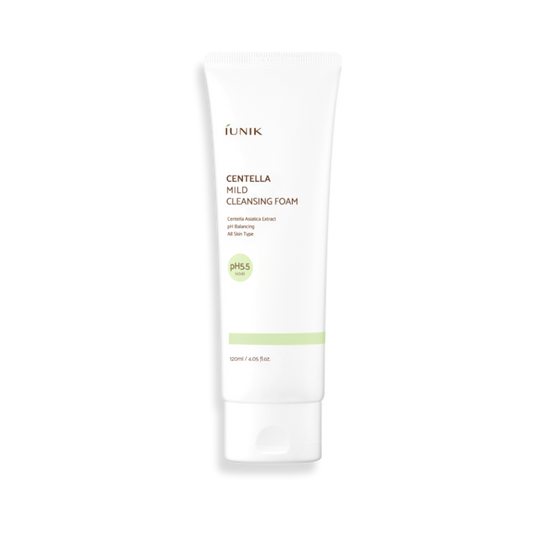
Centella Mild Cleansing Foam
Gentle pore care cleansing foam
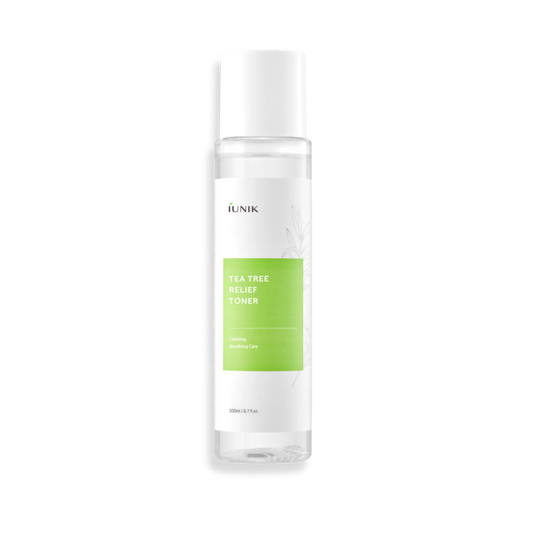
Tea Tree Relief Toner
Soothing water hydration toner
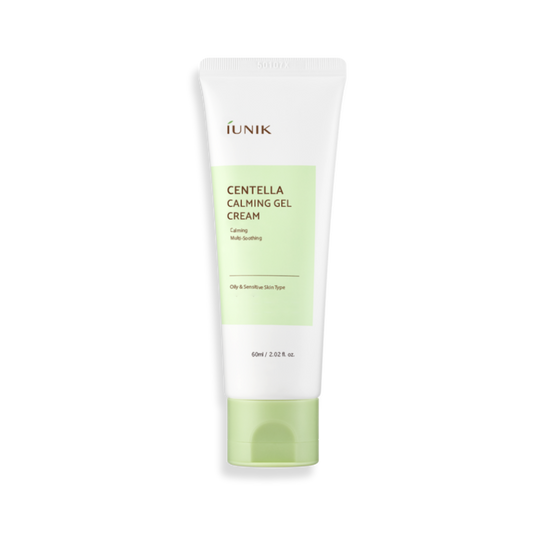
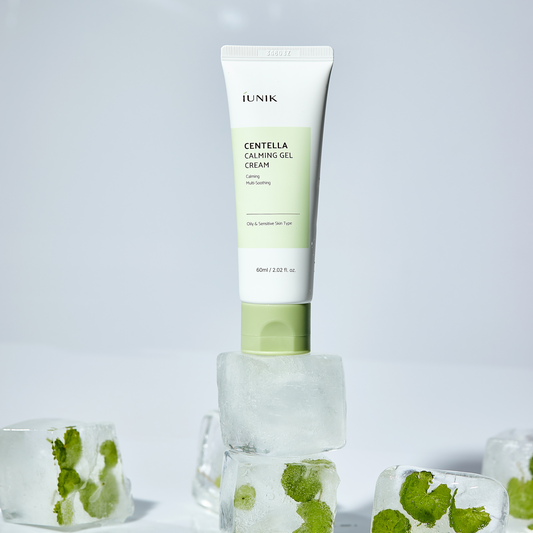
Centella Calming Gel Cream
Soothing gel hydration cream
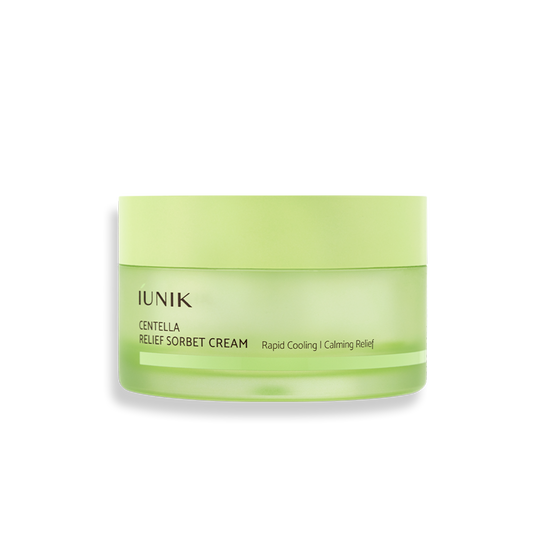
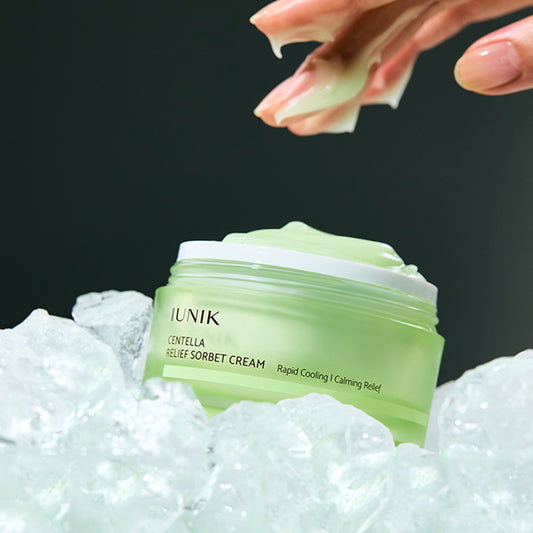
Centella Relief Sorbet Cream
Fresh soothing relief cream


Centella Calming Daily Sun Water
Sun-calming water shield.
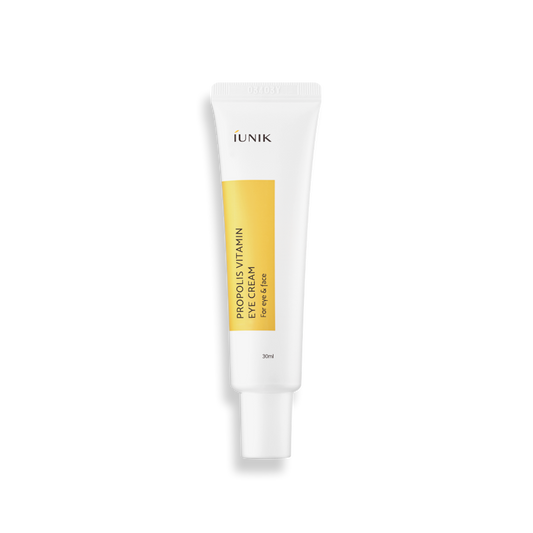
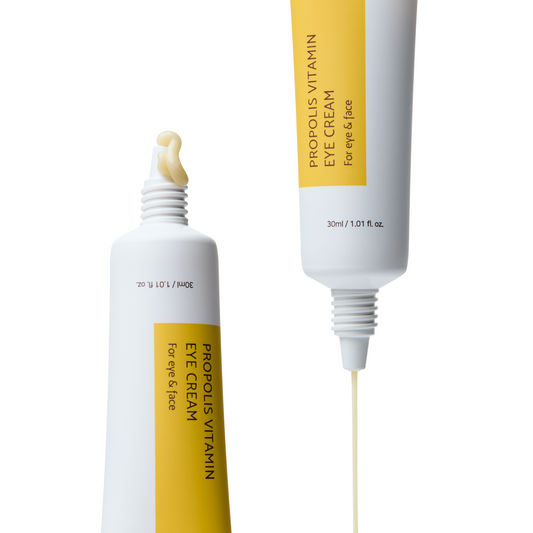
Propolis Vitamin Eye Cream
Bright + firm eye cream
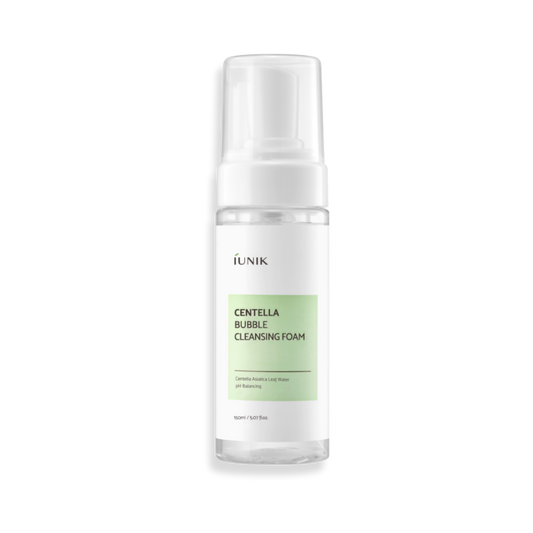
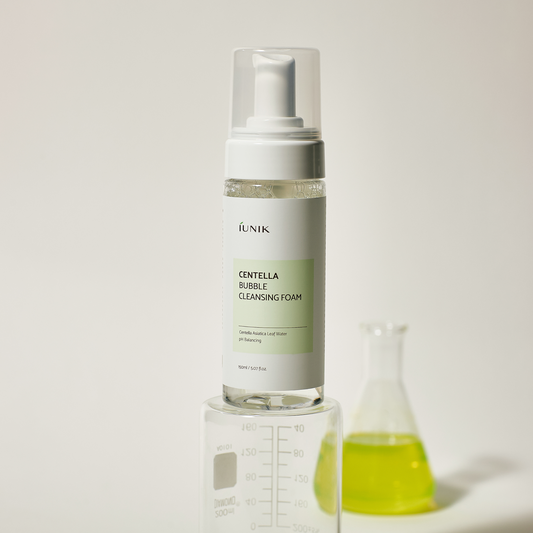
Centella Bubble Cleansing Foam
Gentle bubble wash cleanser
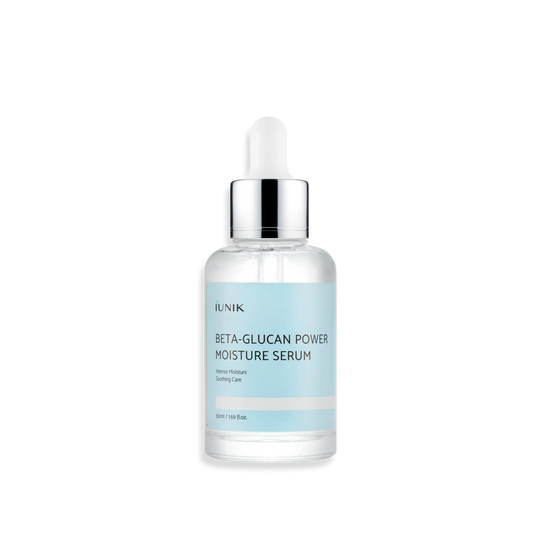

Beta Glucan Power Moisture Serum
Lightweight daily moisture serum

Beta Glucan 3X Barrier Cream
Triple barrier repair cream
Beta Glucan Daily Moisture Cream
Lightweight daily hydration cream
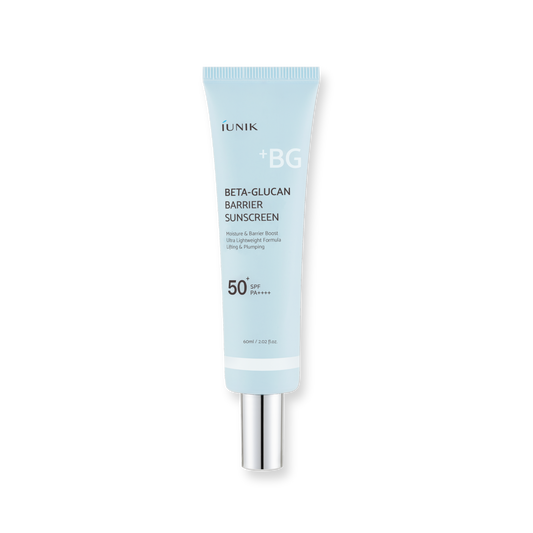
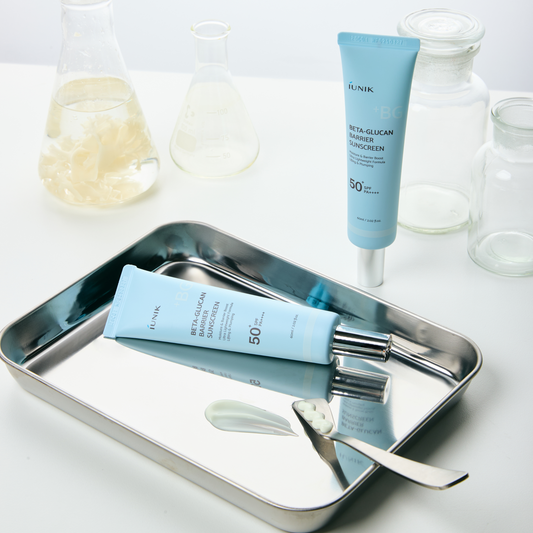
Beta Glucan Barrier Sunscreen
Firming sun defense SPF
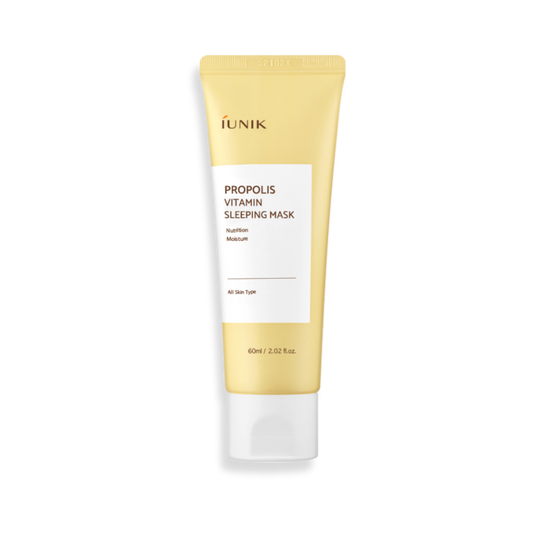
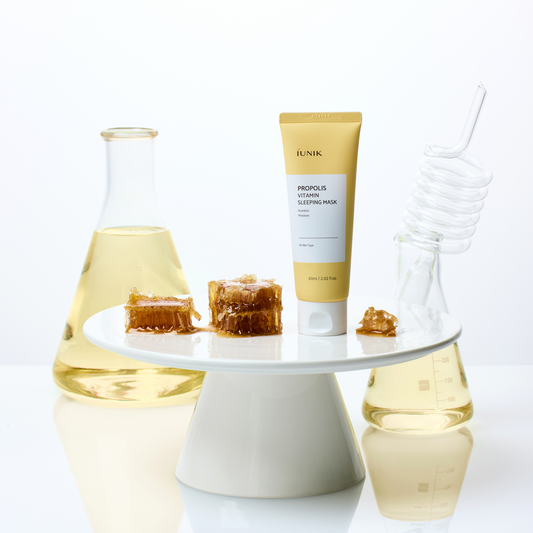
Propolis Vitamin Sleeping Mask
Overnight glow mask
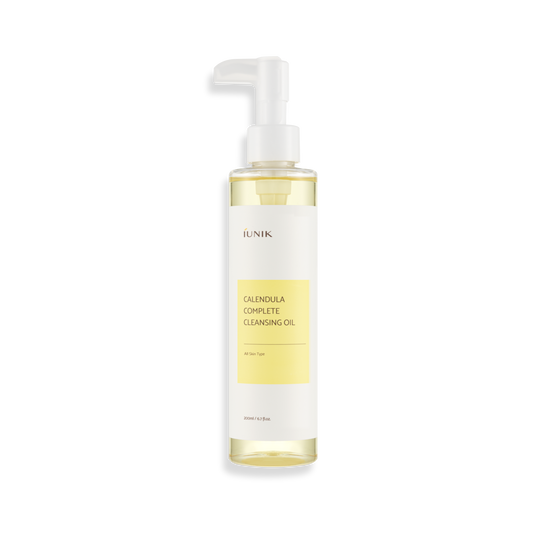
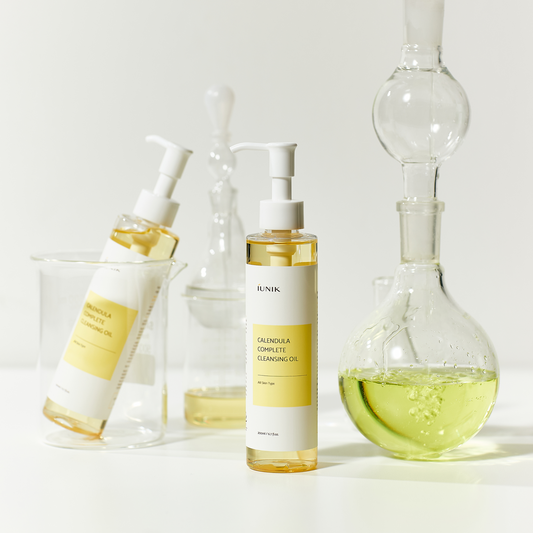
Calendula Complete Cleansing Oil
Sensitive skin cleansing oil


Azelaic Acid Lacto PDRN Serum
Calm Redness, Strengthen Barrier


TXA Niacinamide Narcissus PDRN Serum
Fade Spots, Brighten Tone
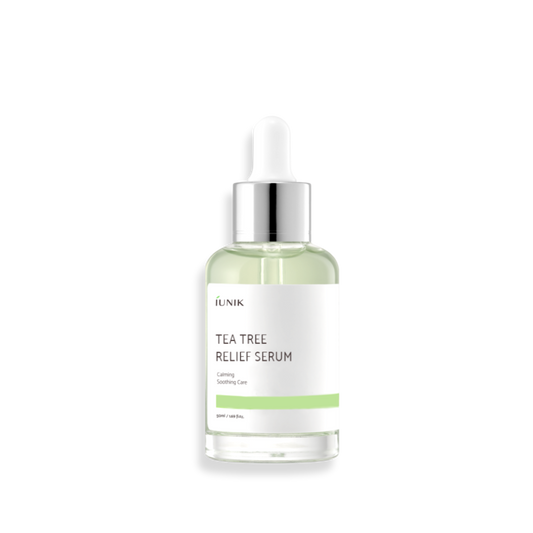
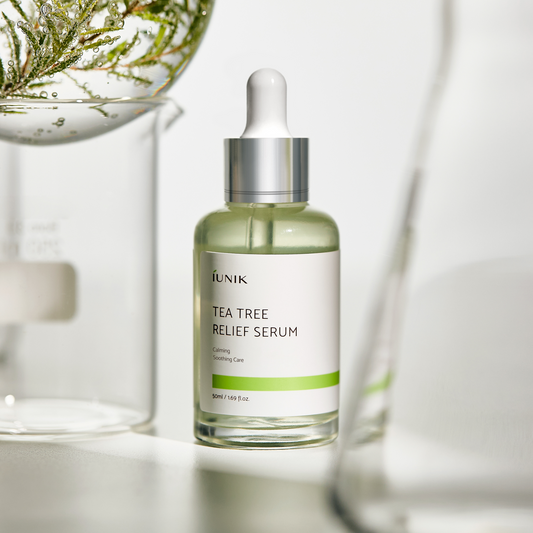
Tea Tree Relief Serum
Blemish calming care serum
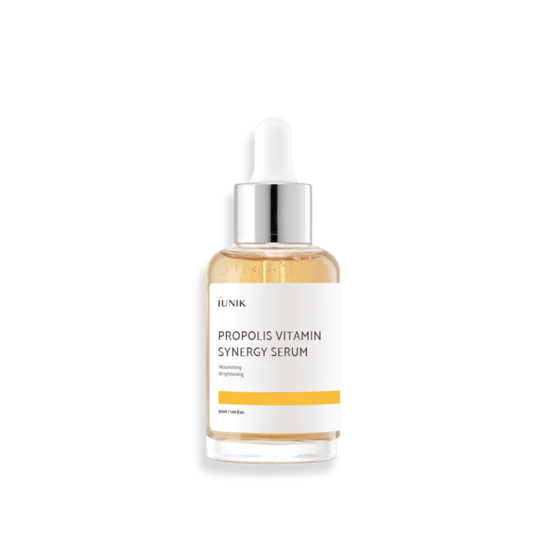
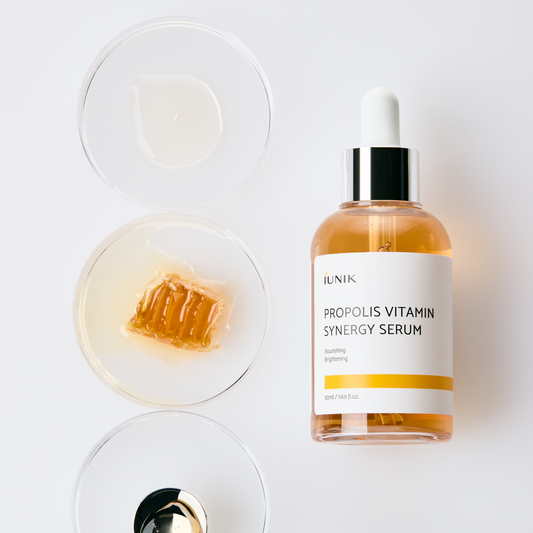
Propolis Vitamin Synergy Serum
Radiance + nutrition serum
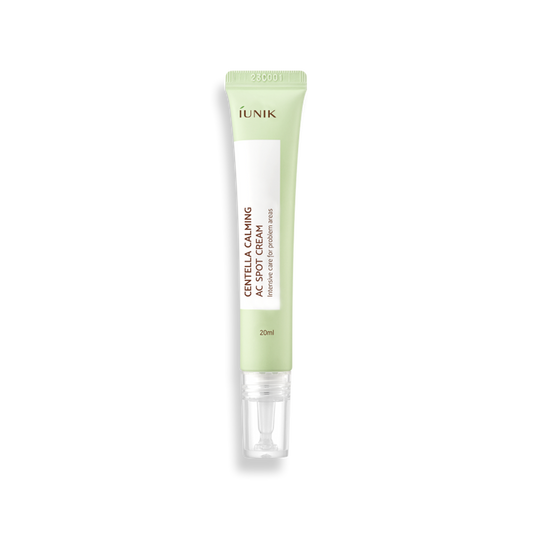
Centella Calming AC Spot Cream
Targeted blemish relief cream