


Your Autumn Skin Prep Starts Now
The dark spots you're noticing this week were made in July.
Pigment takes weeks to surface, which is why late summer is when people suddenly feel their skin has gone backwards. Nothing new has happened. The bill from the last two months is simply arriving.
That timing is the whole reason autumn is worth planning for now rather than in October.
Your Autumn Skin Prep Starts Now
The dark spots you're noticing this week were made in July.
Pigment takes weeks to surface, which is why late summer is when people suddenly feel their skin has gone backwards. Nothing new has happened. The bill from the last two months is simply arriving.
That timing is the whole reason autumn is worth planning for now rather than in October.
What Actually Changes
Skin doesn't struggle in autumn because it gets cold. It struggles because of the swing.
Through summer your skin adapts — it runs oilier, it holds more water because the air around it is humid, and it gets used to being cooled artificially indoors. Then over a few weeks the humidity drops, heating comes on, and the conditions your skin calibrated itself to disappear.
The barrier is what notices first. Skin starts feeling tight in the evenings, products that were perfect in July start sitting on top rather than sinking in, and the fine lines that weren't there in August turn out to be dehydration rather than ageing.
This usually happens two or three weeks before anyone thinks of the weather as cold.
What Actually Changes
Skin doesn't struggle in autumn because it gets cold. It struggles because of the swing.
Through summer your skin adapts — it runs oilier, it holds more water because the air around it is humid, and it gets used to being cooled artificially indoors. Then over a few weeks the humidity drops, heating comes on, and the conditions your skin calibrated itself to disappear.
The barrier is what notices first. Skin starts feeling tight in the evenings, products that were perfect in July start sitting on top rather than sinking in, and the fine lines that weren't there in August turn out to be dehydration rather than ageing.
This usually happens two or three weeks before anyone thinks of the weather as cold.

Summer's Damage Is Now the Thing to Treat
If you started a brightening routine in July, this is the least helpful moment to stop.
The pigment surfacing now is exactly what the TXA Niacinamide Narcissus PDRN Serum is for, and it's slower than most people have patience for — eight to twelve weeks before it's fair to judge. Autumn is where that work pays off, if you stay on it.
There's also a practical advantage to treating pigment now. Less UV means less new pigment being made while you fade the old, so the same serum makes more visible progress in September than it did in July.

The Barrier Goes First, So Support It First
The most common autumn mistake is changing the treatment when the problem is the support layer.
Skin that suddenly feels reactive, tight, or unable to absorb anything is usually short on moisture rather than in need of a different active. The Beta-Glucan line is built for exactly that gap.
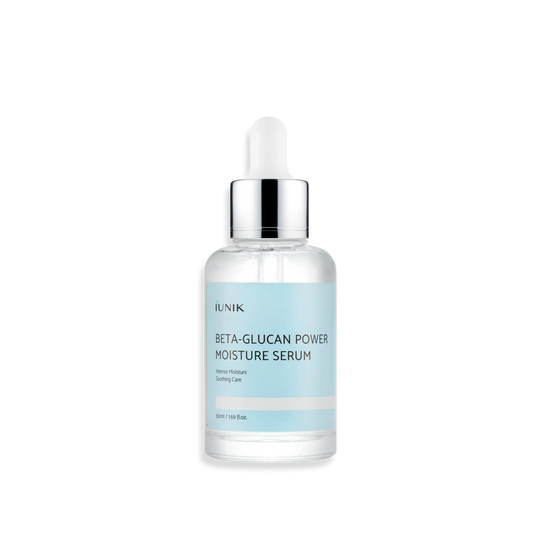
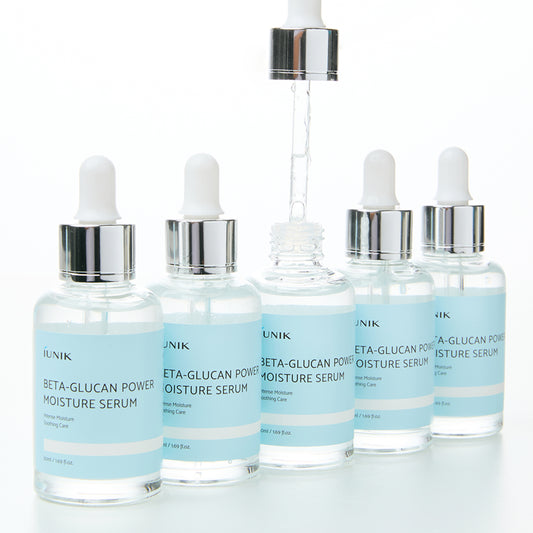
The Beta Glucan Power Moisture Serum is the layer to add underneath whatever treatment you're already using — lightweight enough not to interfere, and it gives the active something plump to work on.
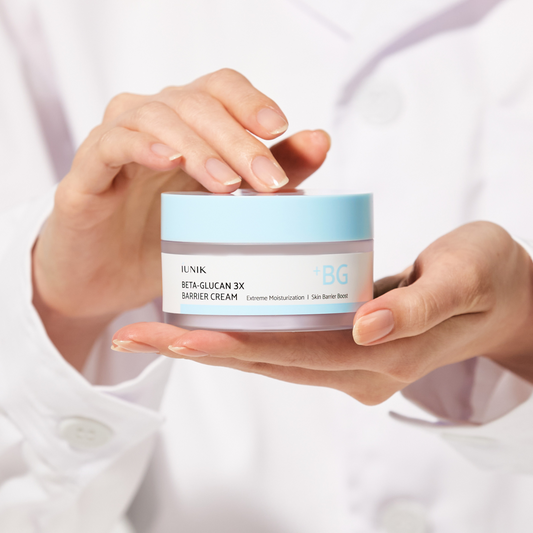
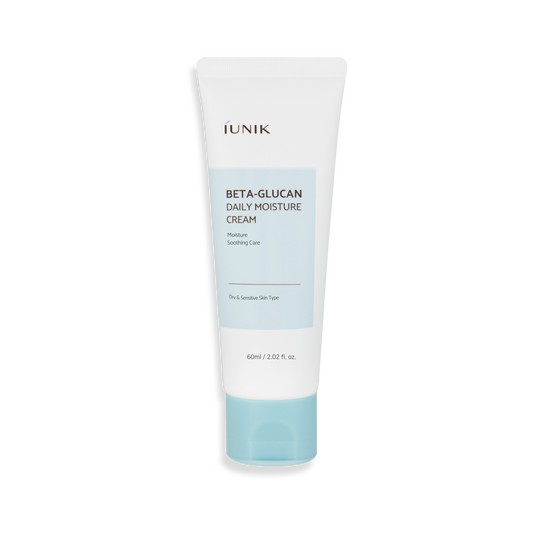
For the cream step, there's a natural ladder. The Beta Glucan Daily Moisture Cream covers the early transition, when it's cooler but not yet dry. The Beta Glucan 3X Barrier Cream is the step up for when it genuinely turns, holding hydration for up to 100 hours through central heating and cold air.
Move up that ladder when your skin asks for it, not when the calendar says so.

Autumn Is the Best Window of the Year for Actives
If you've been putting off starting a treatment serum, this is the season to do it.
Less UV, less sweat, less heat, and less of the general irritation that summer puts on skin. Actives are better tolerated, results are less likely to be undone, and you get a clean run at the eight to twelve weeks most of them need.
For redness and congestion that flared through the summer, the Azelaic Acid Lacto PDRN Serum has a much easier time of it now than it would have in July. For firmness, the Volufiline Grape PDRN Serum started in September has visible ground covered by the new year.
Something begun now has the whole of autumn to work in.
Summer's Damage Is Now the Thing to Treat
If you started a brightening routine in July, this is the least helpful moment to stop.
The pigment surfacing now is exactly what the TXA Niacinamide Narcissus PDRN Serum is for, and it's slower than most people have patience for — eight to twelve weeks before it's fair to judge. Autumn is where that work pays off, if you stay on it.
There's also a practical advantage to treating pigment now. Less UV means less new pigment being made while you fade the old, so the same serum makes more visible progress in September than it did in July.
The Barrier Goes First, So Support It First
The most common autumn mistake is changing the treatment when the problem is the support layer.
Skin that suddenly feels reactive, tight, or unable to absorb anything is usually short on moisture rather than in need of a different active. The Beta-Glucan line is built for exactly that gap.
The Beta Glucan Power Moisture Serum is the layer to add underneath whatever treatment you're already using — lightweight enough not to interfere, and it gives the active something plump to work on.
For the cream step, there's a natural ladder. The Beta Glucan Daily Moisture Cream covers the early transition, when it's cooler but not yet dry. The Beta Glucan 3X Barrier Cream is the step up for when it genuinely turns, holding hydration for up to 100 hours through central heating and cold air.
Move up that ladder when your skin asks for it, not when the calendar says so.
Autumn Is the Best Window of the Year for Actives
If you've been putting off starting a treatment serum, this is the season to do it.
Less UV, less sweat, less heat, and less of the general irritation that summer puts on skin. Actives are better tolerated, results are less likely to be undone, and you get a clean run at the eight to twelve weeks most of them need.
For redness and congestion that flared through the summer, the Azelaic Acid Lacto PDRN Serum has a much easier time of it now than it would have in July. For firmness, the Volufiline Grape PDRN Serum started in September has visible ground covered by the new year.
Something begun now has the whole of autumn to work in.
Change One Thing at a Time
The temptation at a seasonal turn is to overhaul everything in a weekend. It rarely goes well — skin gets a lot of new inputs at once and reacts to something, and you've no idea what.
A calmer version: start with the cream, since texture is the thing that genuinely needs to change with the weather. Give it a fortnight. Then add or adjust the support serum. Leave the treatment serum alone unless it's actively causing a problem.
And go by how your skin feels rather than by the date. Some years the turn comes in early September, some years it holds off until October.
Change One Thing at a Time
The temptation at a seasonal turn is to overhaul everything in a weekend. It rarely goes well — skin gets a lot of new inputs at once and reacts to something, and you've no idea what.
A calmer version: start with the cream, since texture is the thing that genuinely needs to change with the weather. Give it a fortnight. Then add or adjust the support serum. Leave the treatment serum alone unless it's actively causing a problem.
And go by how your skin feels rather than by the date. Some years the turn comes in early September, some years it holds off until October.
The One Thing Not to Drop
Sunscreen doesn't become optional because the light has changed. UVA levels stay meaningful well past summer, and it passes straight through cloud and window glass.
If your summer SPF feels redundant over a richer autumn cream, the fix is a different texture rather than skipping the step.
If your skin is currently reactive, one treatment is the right number regardless.
The Takeaway
Autumn is a repair season. The damage from summer is surfacing now, the conditions are finally good for treating it, and the barrier needs propping up before you push it.
Get the support layer in place over the next few weeks, and whatever you're treating will have a much better run at it.
The August pairing offer closes at the end of the month — a hero serum plus a Beta-Glucan booster is the pair that carries best into autumn.
The Takeaway
Autumn is a repair season. The damage from summer is surfacing now, the conditions are finally good for treating it, and the barrier needs propping up before you push it.
Get the support layer in place over the next few weeks, and whatever you're treating will have a much better run at it.
The August pairing offer closes at the end of the month — a hero serum plus a Beta-Glucan booster is the pair that carries best into autumn.


Volufiline Grape PDRN Serum
Firm, Lift, Plump Skin


Azelaic Acid Lacto PDRN Serum
Calm Redness, Strengthen Barrier


TXA Niacinamide Narcissus PDRN Serum
Fade Spots, Brighten Tone


Beta-Glucan Barrier Ampoule Cleanser
Moisture Barrier Care, Starting at the Cleansing Step


Beta-Glucan All In One Barrier Lotion
Dual Barrier Complex — Stronger Skin with Every Use


Beta-Glucan All In One Gentle Wash
An all-in-one wash that gently cleanses with a rich, creamy lather.

Beta Glucan Power Moisture Serum
Lightweight daily moisture serum

Beta Glucan 3X Barrier Cream
Triple barrier repair cream

Barrier Recovery Duo
Complete barrier repair

Beta Glucan Daily Moisture Cream
Lightweight daily hydration cream


Beta-Glucan Lacto Barrier Milk Essence
Barrier-firming milk essence
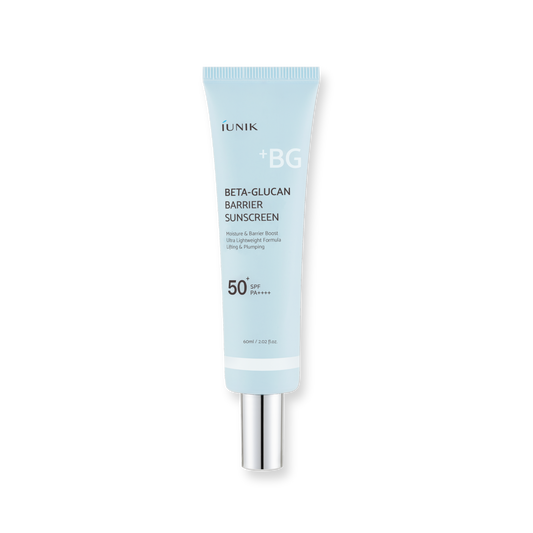
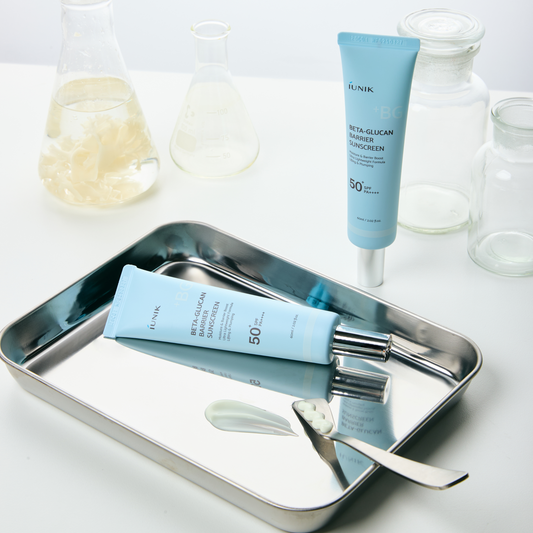
Beta Glucan Barrier Sunscreen
Firming sun defense SPF

Beta-Glucan Family Moisture Mask
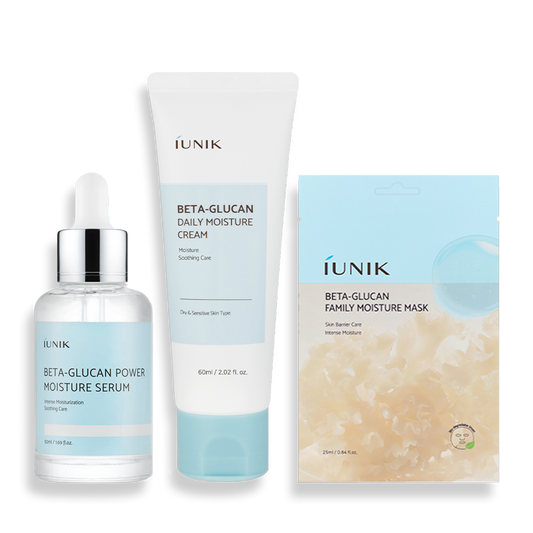

Hydration Boost Trio
Triple barrier hydration


Beta-Glucan Family Moisture Mask For Kids


All-In-One Body Care Duo
Barrier care from head to toe.


Beta-Glucan Barrier Routine
The full Beta-Glucan barrier routine. Three steps, one mission.