

Centella vs Propolis: Calm or Glow?
Centella and propolis turn up in a lot of the same bathroom cabinets. People buy both, use both, recommend both — and would struggle to tell you what either one is actually for. They've absorbed that these are the good Korean ingredients, the ones worth having, without ever quite landing on what each one does or when to reach for it.
The confusion is understandable, because the two sit at the same step in a routine. Both are serums, both go on after your toner and before your moisturiser, and both have the kind of reputation that makes you assume you should be using them. So you end up with two serums competing for the same slot and no clear sense of which your skin needs on any given morning.
The simplest way to separate them is by what they do, not what they are. One calms. One brightens. Once you know which your skin is asking for, the choice stops being a guess.

The Calming One
Centella asiatica — cica, to most people who've shopped Korean skincare — is the ingredient the entire category reaches for when skin is upset. It supports the barrier, soothes inflammation, and calms the redness and reactivity that show up after sun exposure, after a course of strong actives, or after your skin has simply decided to flare for reasons it won't explain.
It's the "my skin is freaking out" ingredient. If your face is red, tight, stinging from something you applied, or breaking out and inflamed, centella is the thing that brings it back down.
In the IUNIK range, the centella story comes paired with tea tree. The Tea Tree Relief Serum is built around 67% tea tree leaf water and 19.5% centella — a combination that handles two related problems at once. Tea tree addresses congestion and blemishes; centella calms the inflammation and reactivity that tend to travel with breakout-prone skin. The pairing makes it the serum to reach for when your skin is both reacting and breaking out, which is the state a lot of people are actually in when they think they just need "something for spots."
This is the serum for reactive, sensitised, post-sun, blemish-prone skin. The one you want in the rotation for the weeks your skin is being difficult.

The Glow One
Propolis is the other answer — not for skin that's upset, but for skin that's flat. Dull, tired, a bit lifeless, lacking the radiance it used to have. Where centella settles skin down, propolis brings it back up.
Propolis is a bee-derived ingredient with genuine nourishing and antibacterial properties, and a long history in Korean skincare as the thing you use when your skin needs life rather than calming. It gives that lit-from-within finish — not a topical shimmer, but the look of skin that's healthier and better-nourished than it was a few weeks ago.
The Propolis Vitamin Synergy Serum is built around 70% propolis, with vitamin C from sea buckthorn doing the brightening work alongside it. The propolis nourishes and adds radiance; the vitamin C evens tone and lifts the dullness. Together they're the answer for skin that looks tired and uneven rather than reactive — the "needs life" serum, where the Tea Tree Relief is the "needs calming" one.
(One practical note: propolis is bee-derived. If you have a known bee or honey allergy, patch test before committing.)

So Which Do You Need?
The decision comes down to what your skin is actually doing right now, not what it's like in general.
Reach for Tea Tree Relief (centella) if your skin is: red, reactive, stinging, breaking out, freshly sun-exposed, or recovering from strong actives. Anything in the "calm it down" category.
Reach for Propolis Synergy if your skin is: dull, tired, uneven in tone, lacking radiance, looking like it needs a boost rather than a rescue. Anything in the "bring it back to life" category.
If your skin is both — reactive and dull, which happens, especially after a stressful stretch or a hard winter — you don't have to choose permanently. You layer them, or you split them across your routine. Here's how.
What This Means in Practice
Both serums sit at the same step — after toner, before moisturiser — which is the source of the original confusion. But that doesn't mean you can only use one.
If you're using just one, apply it after your essence and before your moisturiser. Give it a minute to absorb before the next layer.
If you want to use both, the order is calm first, glow second: Tea Tree Relief, then a moment to absorb, then Propolis Synergy on top. The logic is that you settle the skin before you treat it for radiance — a calm base takes the brightening work better than a reactive one. That said, layering two serums is only worth it if your skin genuinely wants both; for most people, most of the time, one is enough.
The cleaner option for a lot of people is an AM/PM split, or alternating by what your skin is doing that week. Propolis in the morning, when you want radiance under your makeup and SPF. Tea Tree Relief in the evening, when reactive or congested skin has time to calm overnight. Or simply: Tea Tree Relief during the weeks your skin is flaring, Propolis during the weeks it's just looking tired.
On texture: both layer cleanly under a lightweight moisturiser and SPF, and neither has the incompatibility issues that come with stronger actives. Whichever you use, finish the morning routine with sunscreen — radiance and calm are both undone by unprotected UV exposure.
Final Thought
The instinct, when you've got two well-loved serums, is to assume the answer is to use more — both, daily, layered, maximised. The Korean approach tends to run the other way. It's less about how many actives you can stack and more about reading what your skin is actually doing, then matching the ingredient to that state. Calm when it's reacting. Glow when it's flat. The skill isn't in owning every hero ingredient; it's in knowing which one this week calls for.


Azelaic Acid Lacto PDRN Serum
Calm Redness, Strengthen Barrier


TXA Niacinamide Narcissus PDRN Serum
Fade Spots, Brighten Tone


Volufiline Grape PDRN Serum
Firm, Lift, Plump Skin
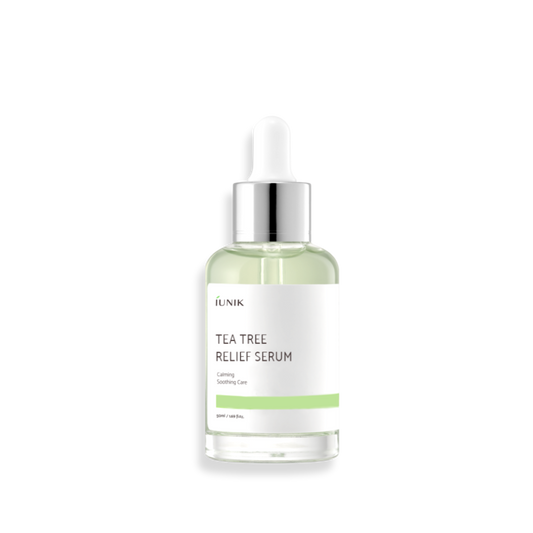
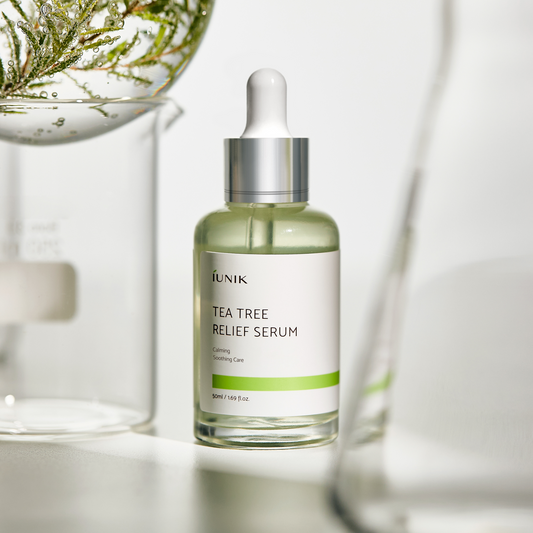
Tea Tree Relief Serum
Blemish calming care serum

Beta Glucan Power Moisture Serum
Lightweight daily moisture serum