


Why Your Skin Flares Up in Summer Heat (and What Actually Helps)
You haven't changed anything. Same routine, same products, same skin you've been working with for months. And yet — somewhere between late June and mid-August — your face starts behaving differently. Faint redness across the cheeks that wasn't there in May. A flush that takes longer to settle than it should. Breakouts in spots that hadn't broken out for years. Tightness that doesn't resolve no matter how much moisturiser you apply. A baseline reactivity to products that were fine last month.
This is summer skin flare-up, and it's almost never a problem with what you're using. It's a problem with what your skin is up against. Heat, sweat, UV exposure, humidity, and the sudden shift between hot outdoors and air-conditioned indoors all combine to put skin under a kind of stress that's invisible day-to-day and obvious by August.
Here's what's actually happening, why barrier care is the thing that helps most, and the IUNIK products that do the work.
What Summer Heat Does to Skin
Five overlapping stressors, working at the same time:
Heat triggers vasodilation. Higher temperatures dilate the blood vessels in your skin, which is what flushing actually is — increased blood flow to the surface. For some people this is mild and resolves quickly; for others it builds into chronic redness that takes weeks to settle after summer ends. Skin that wasn't reactive in spring can become reactive purely from cumulative heat exposure.
Sweat is mildly irritating, repeatedly. Sweat contains salt, urea, and trace amounts of skin's own ammonia. None of these are damaging in isolation, but the cycle of sweating, evaporating, sweating again — combined with the friction of wiping or blotting throughout the day — produces low-grade barrier irritation that compounds across weeks.
UV exposure wears the barrier down. Even with daily SPF (and especially without it), summer UV damages the skin's lipid structure faster than the rest of the year. The barrier gets thinner, more permeable, and more reactive to everything else.
Sebum production rises. Higher ambient temperatures increase sebum output. Combined with sunscreen, makeup, and humidity, this is the cycle most people see breakouts emerge from — congestion that wasn't there in winter, on a face that's otherwise well-cared-for.
Air-conditioning dehydrates. Most indoor environments in summer are running aggressive air-con, which pulls water from skin throughout the day. The dehydration shows up as tightness, fine lines that weren't there in May, and a dullness that doesn't match how much sun you've actually been in.
By August, most people are running on a barrier that's been stressed by all five at once for ten weeks. That's the flare-up — not one acute problem, but cumulative wear that finally becomes visible.

Why the Usual Fixes Don't Work
The first instinct when skin flares is to do more. A stronger cleanser to deal with the sweat-induced congestion. An exfoliant to clear the dullness. A new serum to address the reactivity. A heavier moisturiser for the tightness.
This is almost always the wrong direction. Compromised summer skin doesn't need more actives — it needs fewer. The flare-up isn't telling you the routine isn't working hard enough. It's telling you the barrier can't take any more pressure, and adding actives at this point pushes the reactivity into something more serious.
The fix is the opposite move: simplify the routine, lean hard on barrier support, and let the skin actually recover. This is what Korean skincare gets right about reactive skin — the answer is rarely an active. It's usually beta-glucan, ceramides, Centella, panthenol, and the patience to let those ingredients work.
The Ingredients That Actually Help
For skin that's flaring in summer heat, four ingredient stories matter most:
Beta-glucan. A polysaccharide that holds water in the skin more effectively than hyaluronic acid, and that supports the barrier's own repair processes. For compromised, reactive skin, it's the most useful single ingredient in the IUNIK range — it delivers deep hydration without provoking, layers cleanly under everything, and works through the kind of cumulative stress that summer puts on skin.
Ceramides. The lipids that hold the skin barrier together. Summer heat and UV both deplete them faster than the rest of the year. Replacing them topically is one of the most direct ways to address the reactivity that follows.
Centella asiatica. The strongest calming ingredient in Korean skincare, and the one to reach for when skin is actively flushing or reactive. Madecassoside, the primary anti-inflammatory compound, works on the same pathways that drive heat-triggered flushing.
Panthenol (provitamin B5). A well-tolerated soothing ingredient that supports barrier function and calms even the most reactive skin. Almost no contraindications, no adjustment period.
The routine for a summer flare-up is built around these four ingredients running through every step. Nothing flashy. No actives. Just consistent barrier-supporting work, layered properly, given time to compound.
The Routine for Skin That's Flaring
A four-step facial routine for the days and weeks your skin is reacting to summer heat.

Beta-Glucan Barrier Ampoule Cleanser
The first place a flaring routine usually goes wrong is the cleansing step. Stripping cleansers, hot water, and harsh foams all push compromised skin further. What it needs is a cleanse that respects the barrier you're trying to rebuild.
The Beta-Glucan Barrier Ampoule Cleanser is built for exactly this. The formula is 84% skin-active ingredients — purified water plus moisturising actives — which means it cleanses without the post-wash tightness that defines a stripping cleanser. Third-generation mushroom-derived beta-glucan and a specially processed aqua ceramide work together to hydrate and rebuild the barrier during the cleanse itself, rather than removing it.
The micro-bubble texture is finer than your pores, which clears dead cells, sebum, fine dust, and light makeup — without needing to scrub or repeat the cleanse. For summer skin that's both congested and reactive, this is the cleanser that addresses both problems without forcing you to choose between them.

Beta-Glucan Lacto Barrier Milk Essence
After cleansing, the essence step is where the barrier rebuilding begins.
The Beta-Glucan Lacto Barrier Milk Essence delivers immediate hydration through beta-glucan and a probiotic complex that supports the barrier function summer stress has compromised. The milky texture sinks in without any tackiness — which matters for reactive skin, where anything that sits on the surface tends to provoke.
Apply two layers, patting gently. Wait a minute between layers.

Beta-Glucan Power Moisture Serum
The serum step concentrates the barrier-supporting work.
The Beta-Glucan Power Moisture Serum is a deliberately short ingredient list — ten ingredients, no fragrance, no essential oils, no actives that could push compromised skin further. This is the layer to lean on hardest when skin is flaring. Beta-glucan is doing the deep hydration; the rest of the formula is built to stay out of the way.
A note: this is the slot in the routine where most people add a brightening or anti-aging serum, and where most flare-ups get worse. During a flare, skip the actives and let the Power Moisture Serum do the work alone.

Centella Relief Sorbet Cream
The final step handles the heat and inflammation directly.
The Centella Relief Sorbet Cream is a sorbet-texture cream that cools as it absorbs — Centella's calming properties delivered in a format specifically designed for heat-stressed skin. Madecassoside calms the inflammation; the cooling sensation slows the inflammatory cascade itself.
For evenings, apply a generous layer as the final step. For mornings, a lighter application before SPF is enough.

When to Pull Out the Treatment Layer
On the days when the flare-up is more pronounced — after a particularly hot stretch, after extended sun exposure, or simply when your skin is visibly more reactive than usual — add a treatment layer twice a week.
The Centella Family Calming Mask delivers a concentrated dose of Centella to skin that's been working harder than your daily products can address alone. Use as the final step in the evening; let it sit for the recommended time, remove, and pat any remaining essence in rather than rinsing.
This step doesn't replace the daily routine — it concentrates the recovery work on the nights your skin most needs it.
What to Stop Doing
Equally important is what to take out of the routine during a summer flare:
Daily acids. Glycolic, lactic, salicylic — anything daily — drops to once or twice a week, or pauses entirely until the skin stabilises.
Retinoids. Cut the frequency in half, or pause for two to three weeks if the flare-up is significant.
Vitamin C serums with L-ascorbic acid, particularly higher concentrations. If you're using a gentler vitamin C like the Propolis Vitamin Synergy Serum, you can keep it; if you're using a 15%+ L-ascorbic acid, take a break.
Mechanical exfoliation. Scrubs, brushes, and aggressive cleansing tools all compromise the barrier you're trying to rebuild.
Hot water. Lukewarm only, particularly for cleansing.
Anything fragranced or with essential oils high in the ingredient list. Fragrance is the most common cause of reactivity in skincare; reactive summer skin is more sensitive to it than baseline skin.
The instinct during a flare is to use more products, more actives, more frequently. The actual answer is fewer, gentler, and more consistent.
Give It Three Weeks
Barrier rebuilding works on a roughly 28-day cycle. Most people give up on a barrier-focused routine after seven to ten days because they don't see the change happening fast enough. The change is happening — it's just slower than the acute fixes most skincare promises.
For a summer flare-up, the realistic timeline is two to three weeks of consistent barrier care before the reactivity meaningfully calms. By week four, the skin that was flaring in mid-July is genuinely recovering. By week six, the flare is gone and the skin is more resilient than it was before — which is the actual goal, not just symptom management.
The Calmest Way Through August
Summer skin flare-ups aren't a sign you're using the wrong products, or that your skin is suddenly different, or that you need to overhaul your routine. They're a sign that the barrier has been quietly working hard for ten weeks and is asking for the kind of support most routines don't think to provide in summer.
The fix is barrier care, layered consistently, given time. Beta-glucan, ceramides, Centella, panthenol — the ingredients that have always done this work, foregrounded now during the season they're needed most. Add the new products that fit the moment; pull back on anything that pushes the skin further.
The skin you come out of August with is the skin that had a routine built for what the season actually puts it through. That's the difference between a summer flare-up that becomes a chronic problem and one that resolves quietly by September.


Beta-Glucan Barrier Ampoule Cleanser
Moisture Barrier Care, Starting at the Cleansing Step


Beta-Glucan Lacto Barrier Milk Essence
Barrier-firming milk essence
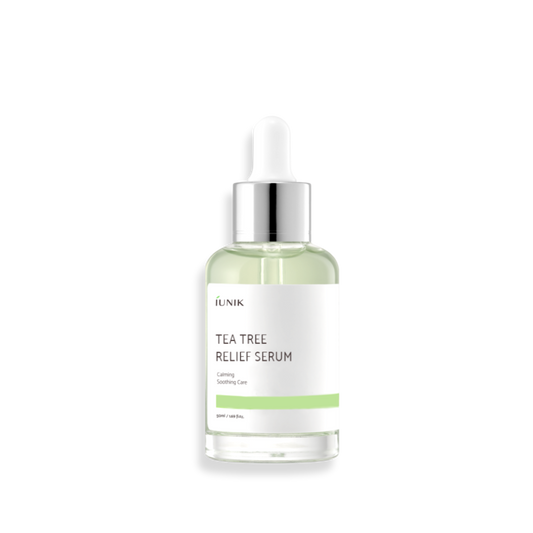
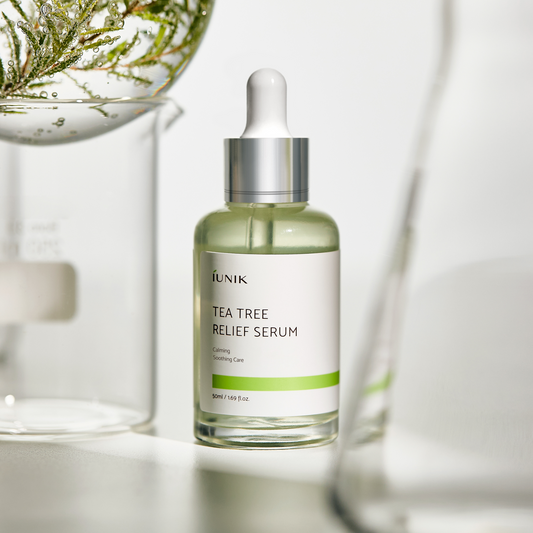
Tea Tree Relief Serum
Blemish calming care serum
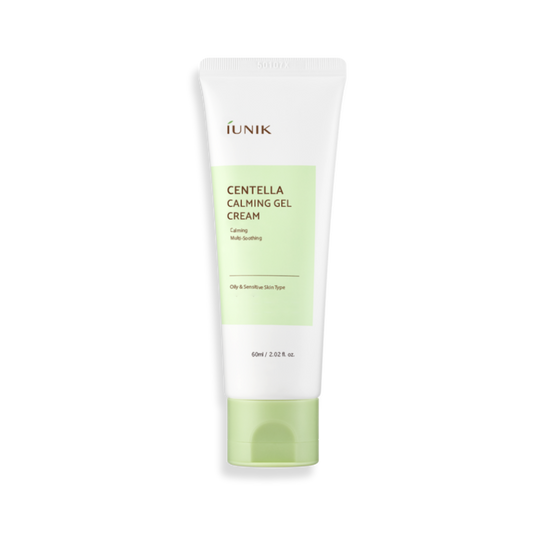
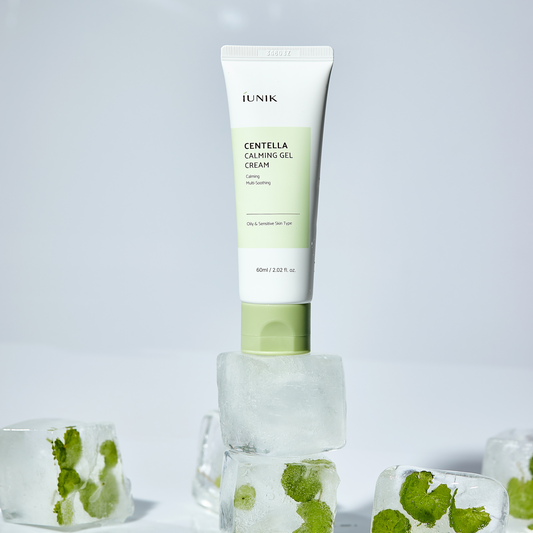
Centella Calming Gel Cream
Soothing gel hydration cream
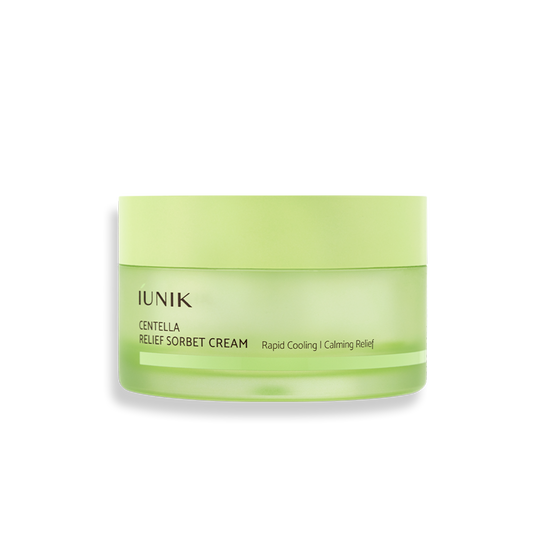
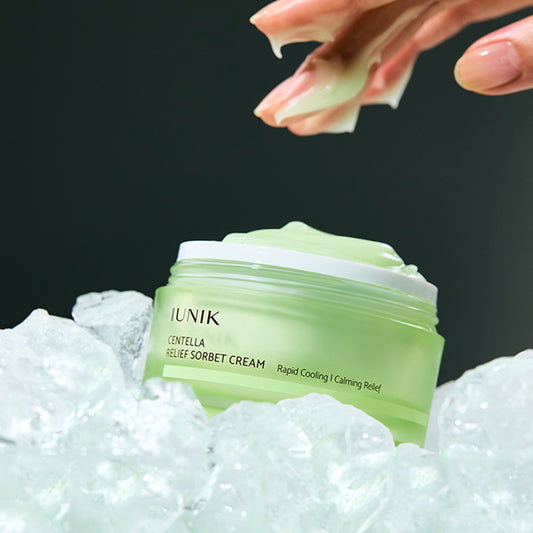
Centella Relief Sorbet Cream
Fresh soothing relief cream