
Why Your Skin Struggles More in Summer
You haven't changed your routine. You've kept up the SPF, the cleanse, the moisturiser. And yet somewhere between late June and mid-August, your skin starts giving you problems it doesn't usually have. Breakouts in places that hadn't broken out in years. Congestion that feels deeper than the usual surface stuff. A constant low-grade oiliness by midday, even on the products that kept you matte through spring. Pores that look more visible. Skin that's somehow both shiny and dehydrated at the same time.
This isn't your skin betraying you. It's your skin reacting to a specific cascade that summer triggers — and the part most people miss is that the heat isn't the only thing doing the work. Humidity, sweat, oil production, sun damage, and the daily layering of sunscreen and makeup all combine into a multi-front problem for the barrier, and the most visible symptom of that problem is usually breakouts and congestion.
Here's what's actually happening underneath the surface, why summer skin struggles tend to show up as breakouts first, and how to build a routine that addresses the cycle rather than just chasing the spots.
The Summer Sebum Cycle
Five things happen at the same time, and they compound:
Heat increases sebum production. This is the foundational shift. According to dermatological research, sebaceous glands become more active as ambient temperature rises — for every 1°C increase in skin temperature, sebum output measurably climbs. The skin that produced a manageable amount of oil in spring is suddenly producing significantly more, and there's nothing you can do to stop it from happening.
Sweat changes the surface environment. Sweat itself isn't comedogenic, but it shifts the skin's pH, dampens the surface, and creates conditions for bacteria, sebum, and dead cells to mix more readily on the face than they do in winter.
Humidity slows evaporation. In humid weather, the sebum and sweat mixture sits on the skin longer instead of evaporating off. It's the same reason your hair feels heavier in humid weather — products and oils linger on the surface. On the face, that lingering film traps everything else: dust, pollution, sunscreen residue, makeup, dead cells.
Sunscreen and makeup add layers. The summer routine usually involves more product on the skin's surface than the winter one — SPF reapplied through the day, foundation that's reformulated for summer wear, the occasional setting spray. None of these are bad in themselves, but they add to the surface load, and on top of the sebum-and-sweat cycle, they contribute to the clogging.
UV exposure thickens the outer skin layer. Repeated UV exposure causes the outermost layer of skin (the stratum corneum) to thicken as a protective response. Thickening sounds protective — and it is, in one sense — but it also means dead cells stay on the surface longer, pores narrow at the opening, and the path for sebum to escape becomes more obstructed. The combination of more sebum being produced and a tighter exit route is a direct recipe for congestion.
The result, by mid-July: pores that look more visible, breakouts in unusual spots, a face that feels oilier even when you cleansed it three hours ago, and the sense that no matter what you do, you can't quite get the surface to settle.

Why the Barrier Is Still the Problem
The instinct, when summer brings breakouts, is to attack — stronger cleansers, more frequent exfoliation, the harshest acids you can tolerate. This almost always makes things worse.
Here's why: the skin that's producing more oil and getting more congested in summer is still skin with a barrier that's working hard. Heat, UV, sweat, and the constant cycle of sunscreen-and-cleansing all stress the barrier in the background, even when the symptoms look like an oil-control problem on the surface. Stripping cleansers, daily acids, and aggressive treatments don't just clear the congestion — they compromise the barrier further, which the skin responds to by producing more sebum to compensate. The cycle gets worse, not better.
The real answer is barrier-supportive treatment that addresses both sides at once: keeping the barrier intact and resilient, while still managing the congestion and oil that summer is producing more of. That's a narrower set of products and ingredients than the usual breakout shelf, but it's the set that actually works.
What Helps: The Ingredients That Earn Their Place
Four ingredient stories matter for summer-specific congestion and breakouts.
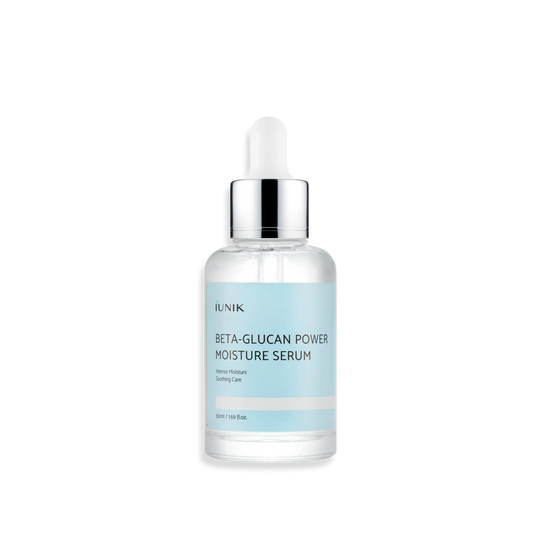
Beta-glucan holds water in the skin without contributing oil, and supports the barrier function that's quietly stressed all summer. For skin that's both oily and dehydrated — which is most summer skin — it's the most useful hydrating ingredient because it doesn't add to the surface load.
Tea tree is the gentle alternative to benzoyl peroxide for daily summer use. Terpinen-4-ol, the active compound, has documented antibacterial effects against the bacteria that drive breakouts, without the barrier-stripping side effects of stronger treatments.
Centella asiatica addresses the inflammation that travels with summer congestion. Most breakouts in summer aren't just clogged pores — they're inflamed clogged pores, and madecassoside (Centella's primary anti-inflammatory compound) handles that side of the problem.
Salicylic acid at low concentrations and used selectively — not as a daily acid bath — keeps the pore opening clear without compromising the barrier. The IUNIK approach to salicylic is targeted (spot treatment) rather than all-over (toner pads), which is the right call for the barrier-first logic.
These four are the foundation. What you'll notice is that none of them are aggressive — no benzoyl peroxide, no glycolic toners, no high-strength retinoids. The case for staying gentle is the case for sustainability: the routine that holds for ten weeks is the routine that doesn't break the skin further.
The Summer Routine for Congestion-Prone Skin
A four-step facial routine, plus a targeted treatment, for skin that's struggling with summer breakouts and oil.

Beta-Glucan Barrier Ampoule Cleanser
A clean barrier-supportive first step. The Beta-Glucan Barrier Ampoule Cleanser is 84% skin-active ingredients — purified water plus moisturising actives — which means it cleanses without the post-wash tightness that defines a stripping cleanser. Third-generation mushroom-derived beta-glucan and a specially processed aqua ceramide hydrate and rebuild the barrier during the cleanse itself.
The micro-bubble texture is finer than your pores, which clears dead cells, sebum, fine dust, and light makeup — without needing to scrub or repeat the cleanse. For summer skin that's both congested and reactive, this is the cleanser that addresses both problems at once.
Use morning and evening. Lukewarm water only.

Beta-Glucan Lacto Barrier Milk Essence
The hydration step that doesn't add to the surface load.
The Beta-Glucan Lacto Barrier Milk Essence delivers immediate hydration through beta-glucan and a probiotic complex that supports a stressed barrier. The texture is milky but not heavy — it absorbs cleanly without leaving any tackiness that would attract more surface buildup.
This step matters more in summer than people realise. Dehydrated skin produces more compensatory sebum, which feeds the congestion cycle. Properly hydrated skin produces less. The essence is what breaks that cycle.
Two layers, patting in gently. Wait a minute between layers.

Tea Tree Relief Serum
The serum that handles both sides of the summer congestion problem in one product.
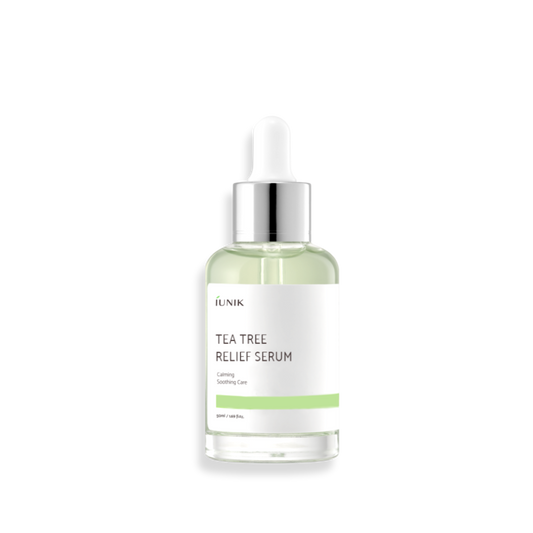
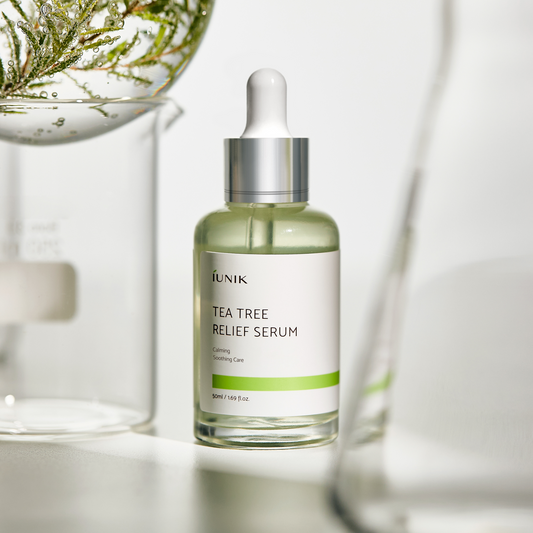
The Tea Tree Relief Serum pairs 67% tea tree leaf water with 19.5% Centella asiatica — tea tree clears the bacterial side of the breakout cycle while Centella calms the inflammation that travels with it. It's the right summer serum for skin that's reactive and breaking out, which is what most summer skin actually looks like.
The texture is a lightweight serum that absorbs cleanly under SPF or moisturiser. This is the active step that earns its place — gentler than a daily salicylic toner, more targeted than a general antibacterial wash, and barrier-respectful in a way that stronger acne treatments are not.

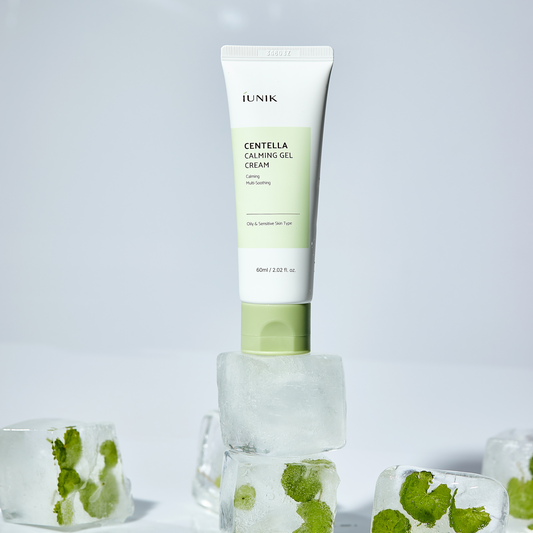
Centella Calming Gel Cream
The moisturiser step that holds the routine without adding to the oil problem.
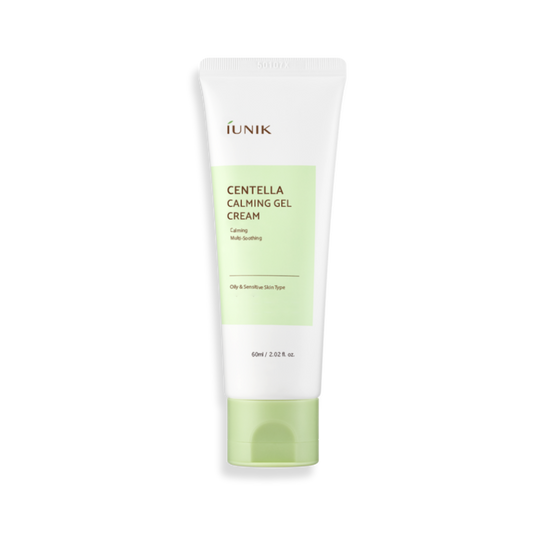
The Centella Calming Gel Cream is a lightweight gel moisturiser built around Centella's calming properties. Gel-texture means it hydrates without sitting heavy — exactly what congestion-prone summer skin needs from this step. The Centella content keeps the calming work going through the day, which matters for breakout-prone skin where inflammation drives the post-spot marks as much as the spots themselves.
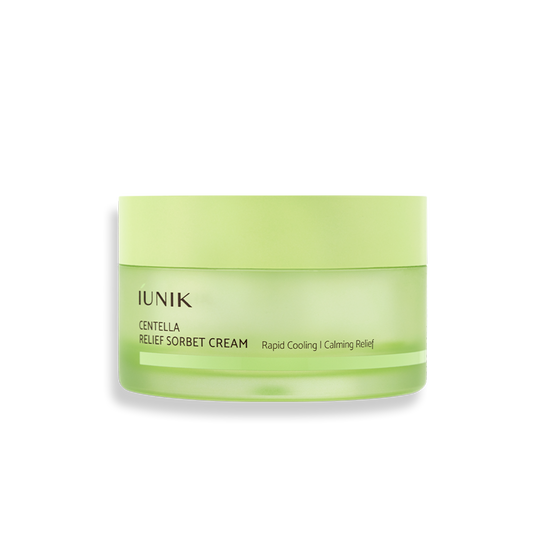
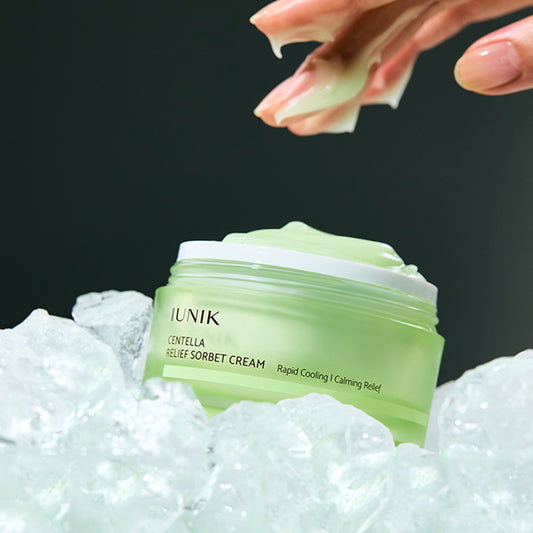
For evenings when skin is more reactive, the Centella Relief Sorbet Cream is the cooling alternative — heavier than the gel cream, still non-occlusive, with the cooling sensation that slows heat-driven inflammation directly.

Centella Calming AC Spot Cream
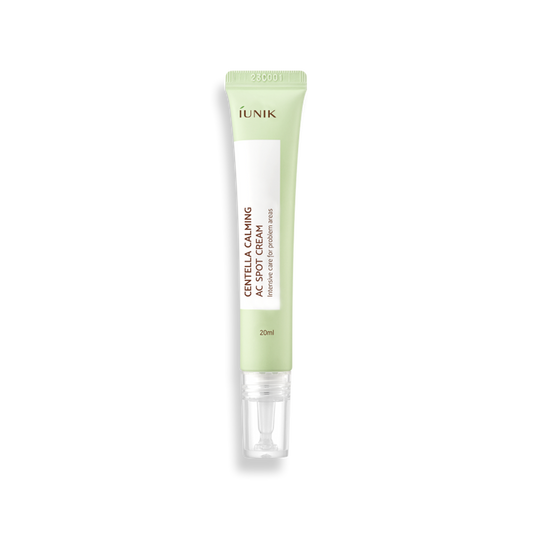
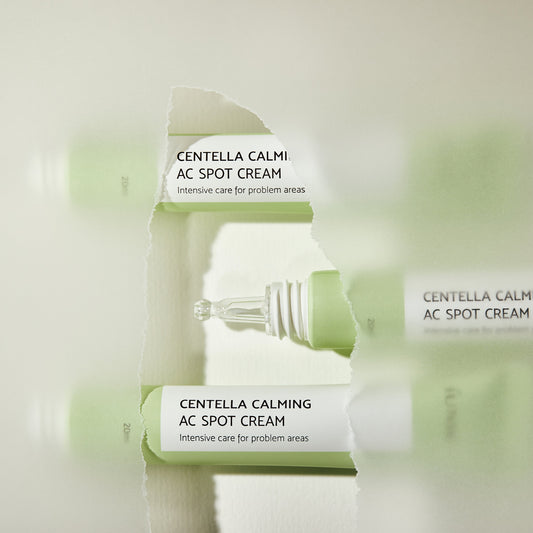
For active breakouts, the Centella Calming AC Spot Cream is the targeted treatment that does the work without spreading actives across the whole face.
Centella and tea tree calm the inflammation; salicylic acid clears the pore; Anti-Sebum P Complex addresses the oil production that feeds it. The gel texture absorbs immediately — which matters because you'll usually be applying it under or alongside makeup and SPF.
The reason this product earns its place over a daily salicylic toner is the same reason the rest of this routine works: targeted treatment of the spot itself, not blanket exposure of the whole face to acne actives. The skin that isn't breaking out doesn't get stripped along with the skin that is.
What to Stop Doing
The other half of the summer congestion routine is what to take out.
Daily acid toners. Glycolic, lactic, mandelic — any daily acid — drops to once or twice a week, or pauses during a bad flare.
Strong physical exfoliants. Scrubs, brushes, exfoliating cloths. These mechanically compromise the barrier and worsen the inflammation that drives summer breakouts.
Mattifying primers and oil-control sprays applied throughout the day. Most of these contain alcohol or strong astringents that strip the surface. Blotting paper is fine; layered oil-controlling actives are not.
Heavy occlusive moisturisers. The rich winter cream that worked through March is too heavy for summer skin. It traps sebum, sweat, and surface buildup — exactly what congestion-prone skin doesn't need.
Anything fragranced or with essential oils high in the ingredient list. Fragrance is one of the most common triggers for the kind of low-grade inflammation that feeds summer breakouts.
The summer routine should feel lighter and shorter than the winter one, not heavier and more aggressive. The instinct to attack the breakouts with more products is the instinct to fight a cycle that responds better to a calmer, more deliberate routine.
Give It Three to Four Weeks
Skin recovery — including breakout-and-congestion recovery — works on a roughly 28-day cycle. Most people give up on a barrier-first routine after seven to ten days because they don't see immediate dramatic clearing. The change is happening; it's just slower than the harsher treatments most acne content promises.
For a summer congestion cycle, the realistic timeline is two to three weeks before the new breakouts slow, and four to six weeks before the skin genuinely settles. By that point, the routine has rebuilt the barrier enough that the underlying cycle starts to break — and the breakouts that used to happen automatically start happening less.
That's the actual goal: not zero breakouts forever, but a routine that addresses why summer breakouts happen rather than chasing each individual spot.
The Calmer Way Through Summer
Summer skin struggles aren't a sign you're doing something wrong. They're a sign that the season has put your skin under pressures your usual routine wasn't designed for. The fix isn't a stronger treatment or a more aggressive cleanse — it's a routine built around the actual problem.
Beta-glucan to hydrate without adding oil. Tea tree to handle the bacterial side of breakouts. Centella to calm the inflammation that travels with congestion. Salicylic acid used selectively, not as a daily acid bath. Five products doing specific work, with nothing pushing the barrier further than it can stand.
The skin you come out of summer with is the skin that had a routine built for what summer actually does to it — not the routine that tried to outwork it.


Beta-Glucan Barrier Ampoule Cleanser
Moisture Barrier Care, Starting at the Cleansing Step


Beta-Glucan Lacto Barrier Milk Essence
Barrier-firming milk essence
Tea Tree Relief Serum
Blemish calming care serum
Centella Calming Gel Cream
Soothing gel hydration cream
Centella Relief Sorbet Cream
Fresh soothing relief cream
Centella Calming AC Spot Cream
Targeted blemish relief cream

Beta Glucan Power Moisture Serum
Lightweight daily moisture serum